
Stories Articles & Conversations
Long-form blogs, expert articles, and media — gentle, accurate ways to talk with children about Alzheimer's, dementia, and memory loss.
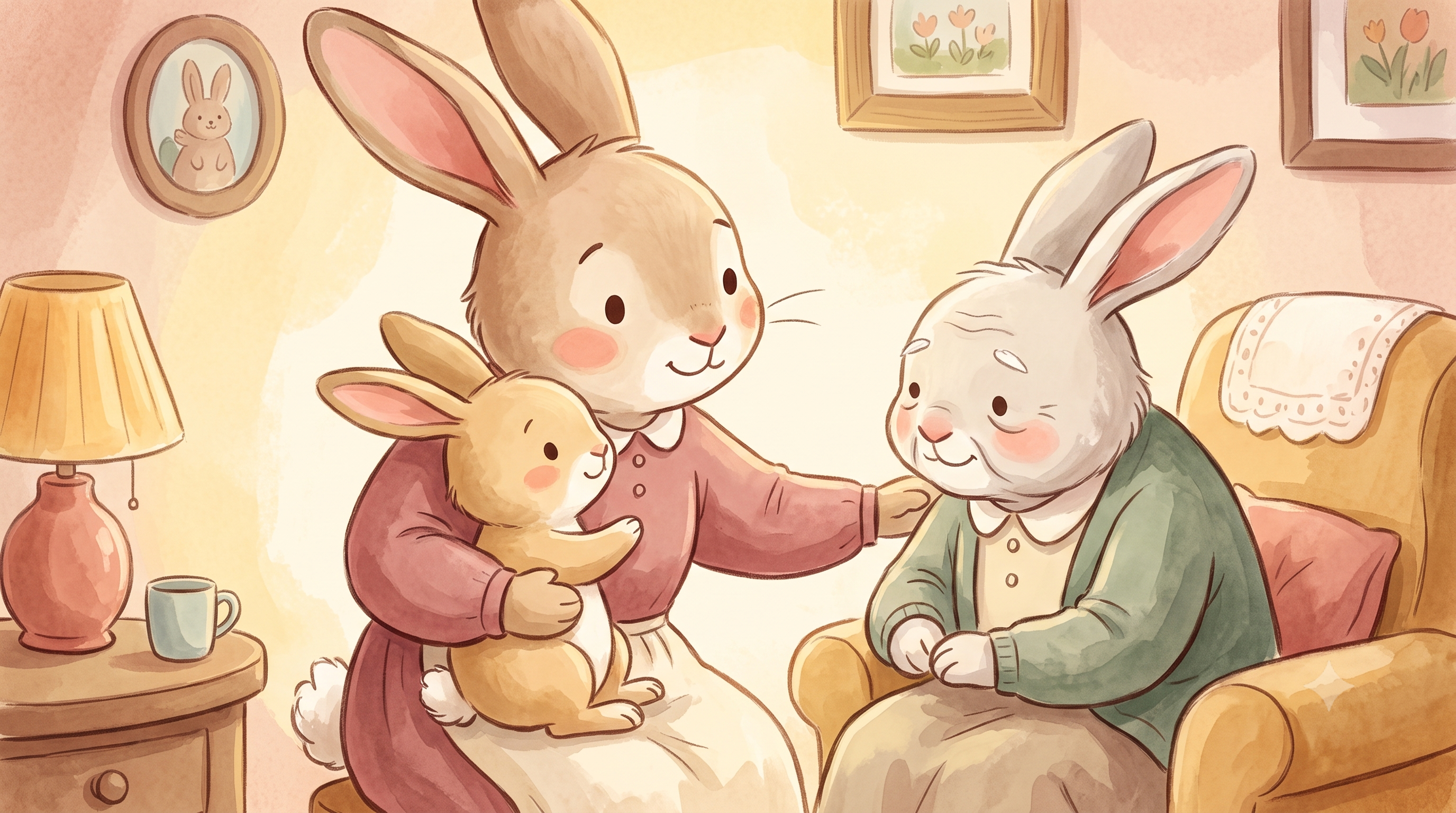
When a Parent Is Caregiving: Helping Kids Through the In-Between
When you're caring for a parent with dementia while raising children, everyone in the house feels the shift — and children often feel it most in the things nobody explains. Kids notice when you're distracted, when plans change last minute, when the phone rings and your face changes. The most helpful thing you can do is name what's happening in simple, honest terms, reassure them that they're still a priority, and protect small pockets of ordinary time together. You don't need to be less stretched. You just need your child to understand that the stretching isn't about them.
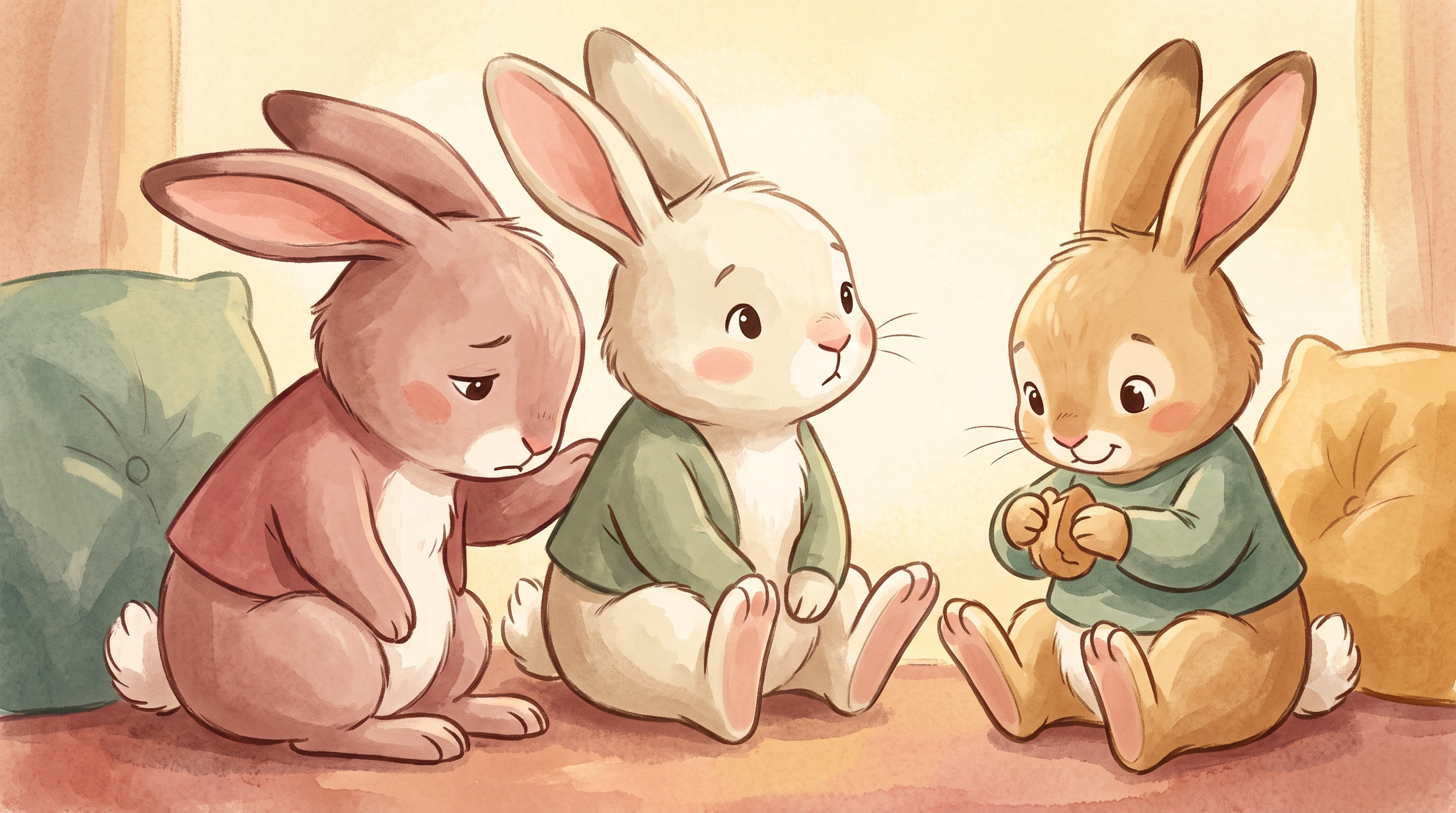
When Siblings React Differently: Supporting Each Child in Their Own Way
One child sobs, another shrugs and asks what's for dinner, a third starts acting out at school — and all three are responding normally to the same grandparent's dementia. Children process hard things through the lens of their age, temperament, and relationship with the person, which means siblings in one family can look like they're having entirely different experiences. They usually are. The most helpful thing a parent can do is resist comparing them, meet each child where they actually are, and trust that a quiet child isn't necessarily fine and a tearful one isn't necessarily struggling more.
When a Grandparent With Dementia Moves In: Preparing Your Kids
More families are living together than at any point in the last fifty years. Pew Research Center found that about 18% of Americans lived in multigenerational households in 2021, up from 7% in 1971, and caregiving is one of the main reasons people give. When the grandparent moving in has dementia, it's a big change for the whole household. The adults usually spend weeks planning the logistics. The kids often get a single conversation, if that.
Young Carers: When Your Child Is Helping Too Much
Kids who help a grandparent with dementia usually do it out of love. They fetch the glasses, remind Grandpa to eat, sit with him so Mom can make a phone call. Most of that is good for them. It builds empathy and gives them a way to feel useful when a lot of things feel out of control.
If Grandpa Gets Lost: What Kids Should Know About Dementia and Wandering
It's one of the scariest moments a family can have. Grandpa was in the living room, and now he isn't. The front door is open. Wandering is common in dementia: the Alzheimer's Association says six in ten people living with dementia will wander at least once, and many do it repeatedly. It can happen at any stage, and it can be dangerous, especially in bad weather or near traffic.

When a Grandparent With Dementia Dies: Helping Kids Grieve
When a grandparent dies after years of dementia, grief can arrive in a strange shape. Many families have already been grieving for a long time, through each change and each name forgotten. Kids are no different. By the time the death comes, a child may feel deep sadness, or very little, or something that looks like relief. They may be grieving the grandparent they remember from when they were small, not the one who was in the care home last month.

Brain-Healthy Habits Kids and Grandparents Can Share (What the Research Says)
When kids learn a grandparent has dementia, a common next question is some version of "can we stop it?" The honest answer is that we can't cure dementia yet, and we can't undo it once it's started. But there's real, growing evidence that everyday habits help protect brains over a lifetime. And a lot of those habits are things kids and grandparents can do together, which turns a scary question into something hopeful and practical.

Halloween With a Grandparent Who Has Dementia: A Family Guide
Halloween is a kid's holiday through and through. Costumes, candy, the doorbell going every four minutes. For a grandparent living with dementia, the same night can be a lot: familiar faces hidden behind masks, a skeleton that screams when you walk past it, strangers shouting at the door after dark. None of that means Halloween has to be cancelled. It means it needs a little planning, and kids are often the best people to help with that planning.

Telling Your Child's Teacher About a Grandparent's Dementia
In most cases, yes, it helps to tell your child's teacher when a grandparent has dementia. A short, private note lets the teacher understand changes in mood, focus or behavior, respond kindly to questions, and let you know what they notice. You decide how much to share, and your child can help decide too.
Talking with Older Kids and Teens About a Grandparent's Dementia
To talk with a teenager about a grandparent's dementia, be direct and honest, share real information about the diagnosis, and treat them as a partner rather than someone to shield. Ask what they've noticed, accept mixed feelings, offer roles they can choose, and keep checking in, because teens often process quietly.

Preparing Kids for a Holiday Gathering When a Grandparent Has Dementia
To prepare children for a holiday with a grandparent who has dementia, talk before the day about what might be different, give your child a simple job and a few kind phrases, plan a quiet spot for breaks, and agree on a signal they can use if they feel overwhelmed. Afterward, check in about how it went.

Reading Together: How Picture Books Help Kids Understand Dementia
Picture books give children a safe, gentle way to understand dementia. A story lets a child meet the feelings and changes from a little distance, then connect them to their own family. To use one well, choose a book that matches your child's age, read it together, pause for questions, and come back to it often.

Sing It Together: Music, Kids and Dementia
Yes, music often helps people with dementia connect with family. Familiar songs can reach a person even when words and memories are harder to find. For children, singing, clapping or listening together is a simple, joyful way to share time with a grandparent, with no right or wrong answers and no memory test.

Make a Memory Book Together: A Family Craft Project
To make a memory book with kids for someone with dementia, gather 10 to 15 clear photos, put one photo on each page, and add a short, simple caption like "This is Grandma at the beach." Let your child decorate the pages. Keep it light enough to hold and easy to look at, then share it slowly together.

Love Without Words: Staying Connected in Later-Stage Dementia
Children can stay connected with a grandparent in later-stage dementia through the senses rather than conversation. Holding hands, singing a familiar song, reading aloud, brushing hair or simply sitting close all show love. Prepare your child for changes they will see, keep visits short and calm, and remind them that their presence still matters.

Little Helpers: Simple Ways Kids Can Support a Grandparent with Dementia
Kids can help a grandparent with dementia by doing small, calm things together: sorting socks, watering plants, looking at photos, holding a hand, or simply sitting close. The goal is not to fix the memory problem. It is to share time, give the grandparent a sense of purpose, and help the child feel useful instead of helpless.

Big Feelings: Helping Kids Cope with Sadness, Frustration and Embarrassment
To help a child cope with a grandparent's dementia, name their feelings out loud, tell them every feeling is allowed, and give them simple ways to let feelings out, like drawing, talking or a calm-down breath. Keep routines steady, answer questions honestly, and remind them often that the illness is nobody's fault.

Handmade Gifts Kids Can Make for a Grandparent with Dementia
The best gifts children can make for a grandparent with dementia are simple, safe and easy to enjoy right now: a large-print photo card, a recorded voice message, a soft fidget blanket, a decorated calendar with family faces, or a drawing for the wall. Choose gifts that comfort the senses rather than gifts that depend on memory.
When Grandpa Seems Different: Explaining Mood and Behavior Changes to Kids
To explain dementia behavior changes to a child, keep it short and true: "Grandpa has an illness called dementia. It is changing how his brain works, and sometimes that changes how he acts or feels. It is not your fault, and he still loves you." Then give your child one or two simple things to do when it happens.

When a Grandparent Moves into a Care Home: Explaining the Move to Kids
Tell your child simply and honestly: Grandma's brain sickness means she now needs helpers nearby all day and night, so she is moving to a special home where people can look after her. Reassure them it is nobody's fault, that she still loves them, and that they can still visit and stay close.
Toddlers to Tweens: Tailoring the Dementia Conversation by Age
Explain dementia in a way that matches what your child can understand. Toddlers need one short, calm sentence. Preschoolers need simple cause and comfort. School-age children can learn that the brain is sick and won't get better. Tweens can handle more detail and want honesty, privacy and a say in how they help.

Answering the Hard Questions Kids Ask About Dementia
When a child asks, "Will Grandma get better?", the kindest answer is honest and simple: "No, the doctors can't make Grandma's dementia go away. But there are lots of ways we can help her feel happy and loved, and we'll do that together." Pair the truth with reassurance, then let your child ask more.
Activities Kids and Grandparents with Dementia Can Enjoy Together
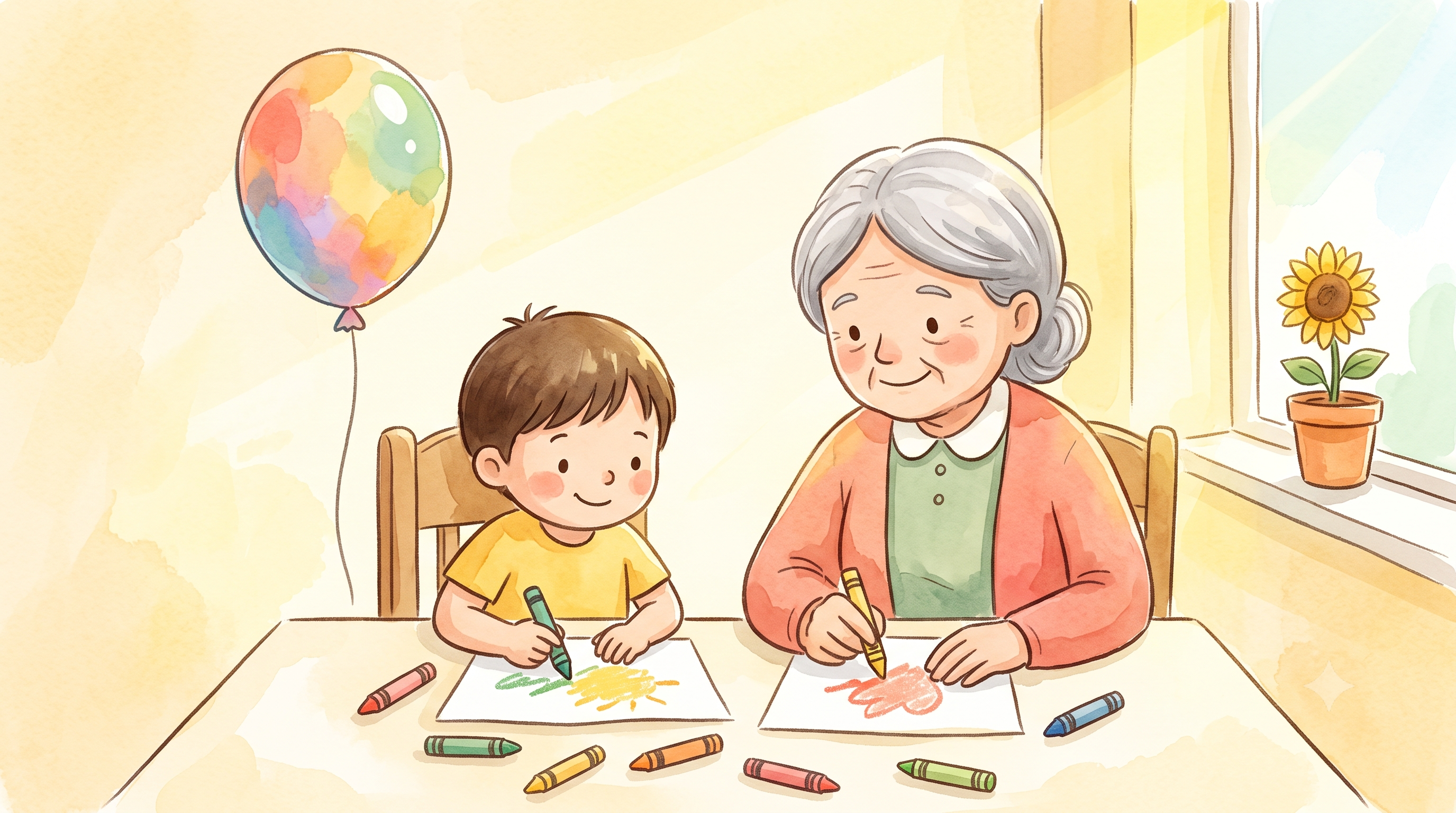
The best activities for children and grandparents with dementia are simple, hands-on and pressure-free: listening to familiar music, sorting objects, looking at photos, gardening, coloring, or taking a slow walk outside. Choose things that use the senses rather than memory, keep sessions short, and let enjoyment, not finishing, be the goal.
12 Activities Kids and Grandparents With Dementia Can Still Enjoy Together
The best activities for a child and a grandparent with dementia share one design rule: **no memory required.** Anything that lives in the present moment - hands, senses, music, laughter - still works, often beautifully. Here are twelve that families come back to again and again, plus the three rules that make any of them succeed.
When It's Mom or Dad: Helping Children Through Young-Onset Dementia
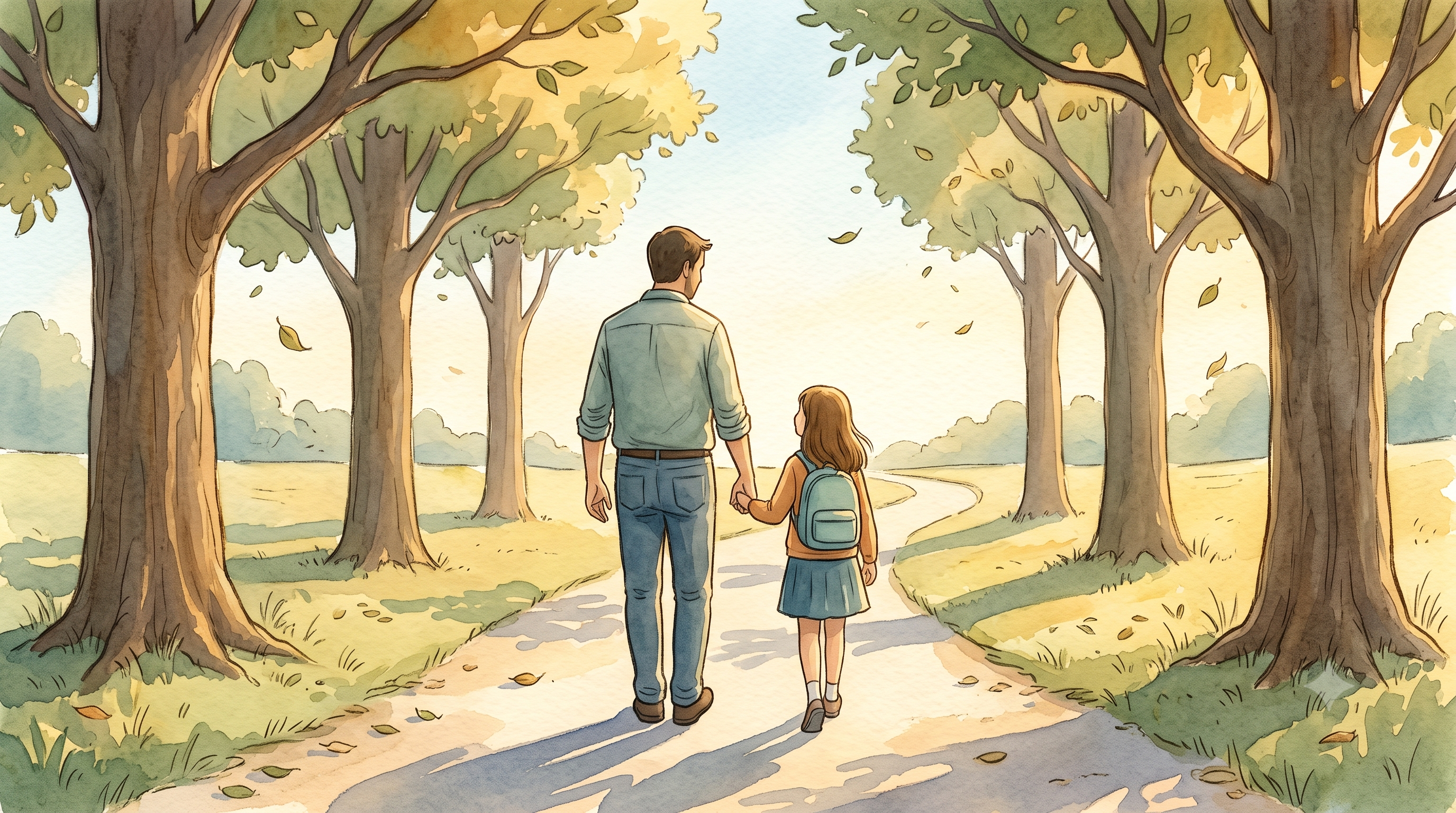
Most of what families read about children and dementia assumes the person is a grandparent. But dementia sometimes arrives decades early - young-onset (or early-onset) dementia begins before 65, often in a person's 40s or 50s - and when it does, the child in the story isn't a visiting grandchild. It's a son or daughter living in the house, watching a parent change. Everything gets harder and closer: the conversations, the losses, the daily logistics, the child's own fears. It is also survivable, and children in these families can grow up connected and okay - but they need more honesty, more structure, and more support than the grandparent playbook provides.
Making a Memory Book With Your Child and Grandparent
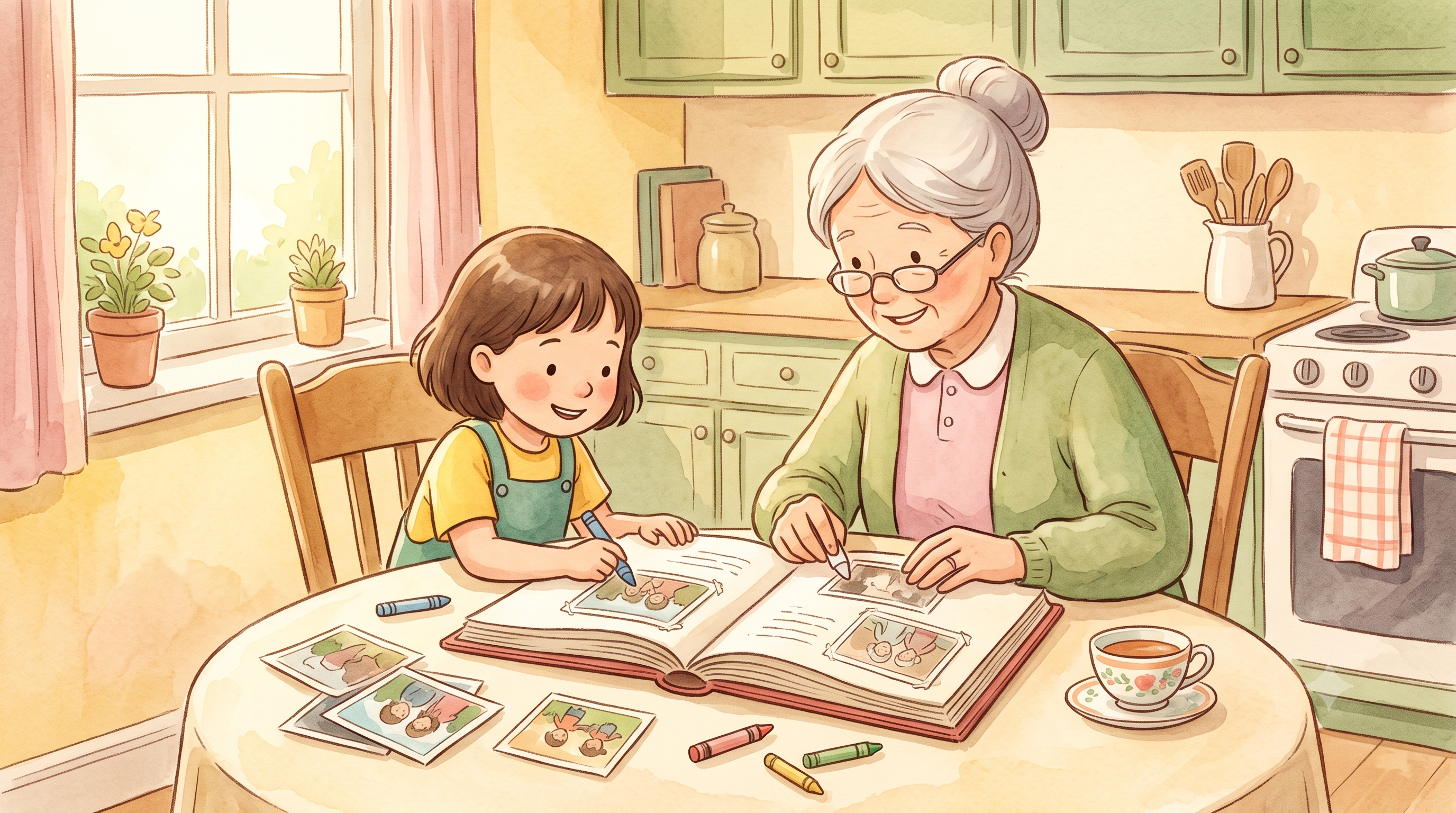
A memory book - a simple scrapbook of photos, stories, and mementos built *with* a grandparent, not just about them - is quietly one of the best things a family facing dementia can make. For the grandparent, it's reminiscence therapy in disguise: old photographs unlock the long-term memories dementia touches last, and telling those stories is joyful, confidence-restoring work. For the child, it's a craft project that doubles as connection, a way to hear family stories while they can still be told. And for the family, it becomes both a care tool and an heirloom. Here's how to make one, step by step.
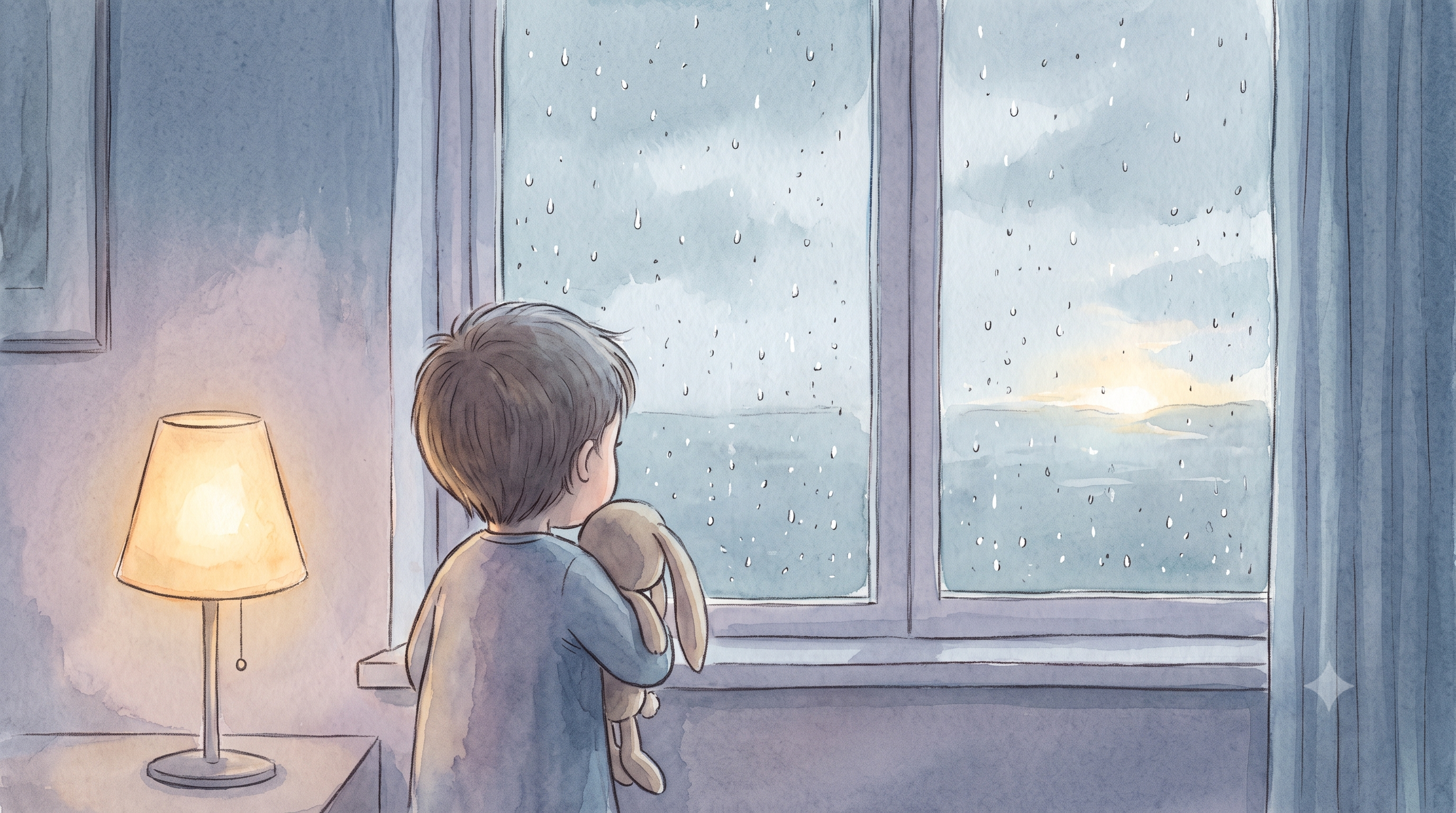
The Grief Nobody Names: Helping Children With Ambiguous Loss
There's a kind of grief that comes without a funeral, without casseroles, without anyone saying "I'm sorry for your loss" - because the person is still here. Psychologists call it *ambiguous loss*: mourning someone who is physically present but psychologically changing. Children living alongside a grandparent's dementia feel it acutely, and they almost never have words for it. Giving them those words - and permission to hold sadness and love at the same time - is one of the kindest things a parent can do.
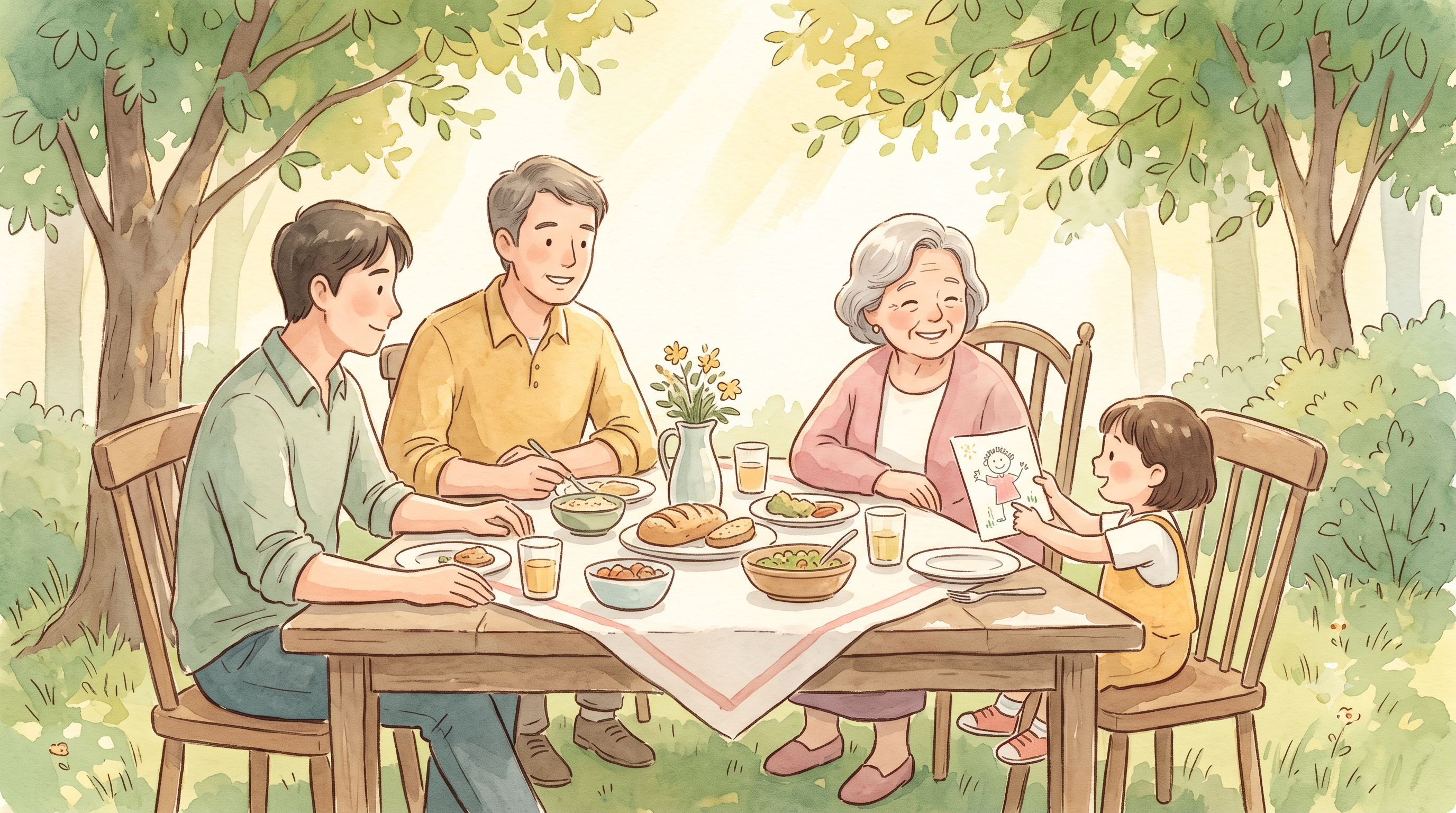
Family Gatherings With a Grandparent With Dementia: A Gentle Planning Guide
Big family days - birthdays, holidays, reunions - are exactly the occasions when families most want Grandma there, and exactly the environments dementia handles worst: noise, crowds, broken routines, and a dozen conversations at once. The fix isn't excluding her, and it isn't pretending nothing has changed. It's designing the day differently: smaller doses, quieter corners, a familiar rhythm, and children who've been prepared for what they might see. Done that way, gatherings stop being something the family survives and go back to being something everyone - including Grandma - actually enjoys.
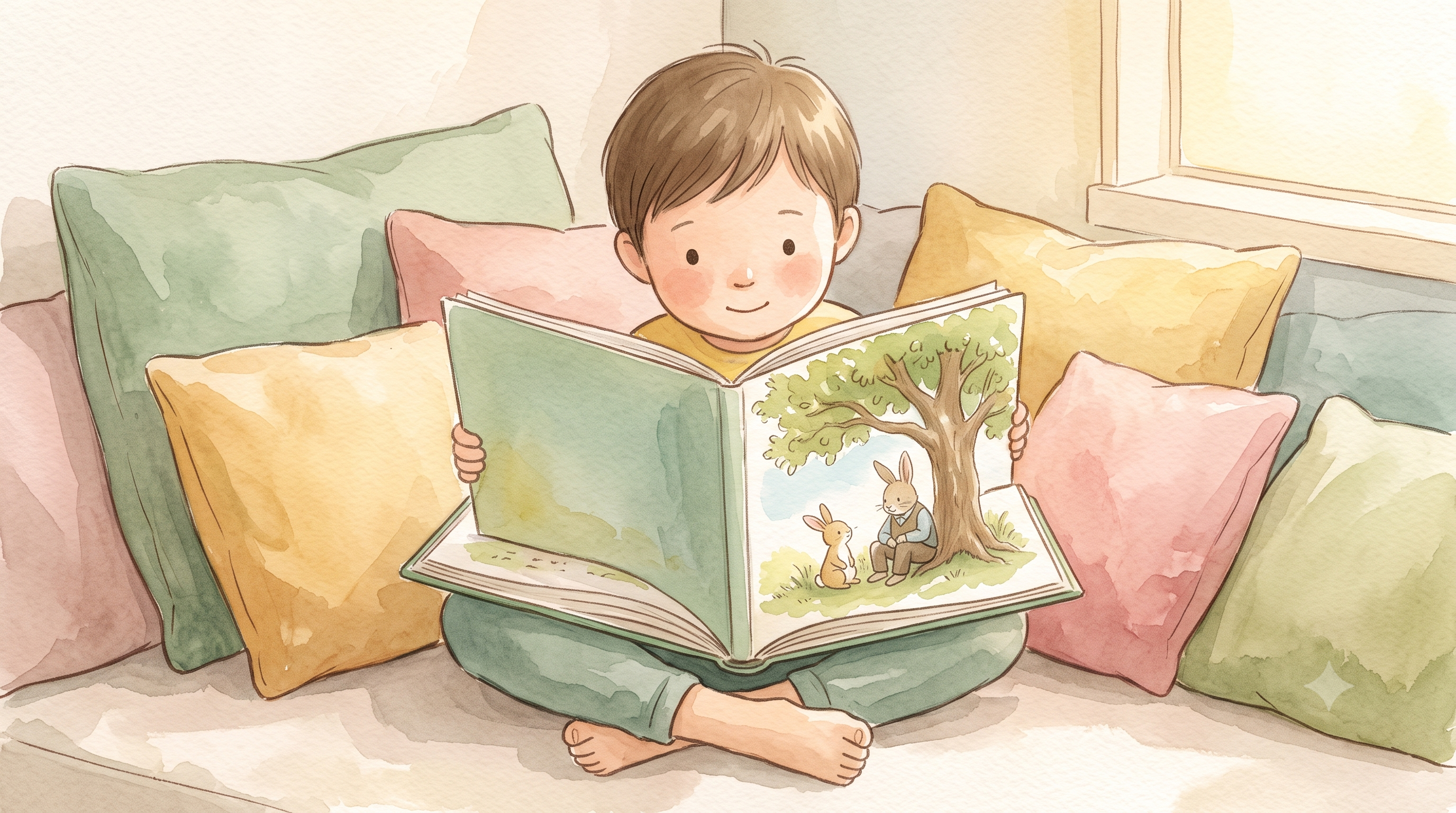
Why Picture Books Are the Best Tool for Talking About Memory Loss
Ask a child to talk about their grandmother's dementia and you'll often get a shrug. Read them a story about a rabbit whose grandpa forgets things, and the questions pour out. That's not a coincidence - it's how children's minds are built. Stories give children safe distance from big feelings, which is why picture books are one of the most powerful tools a family navigating memory loss can own. Psychologists call it bibliotherapy; children just call it a bedtime story.
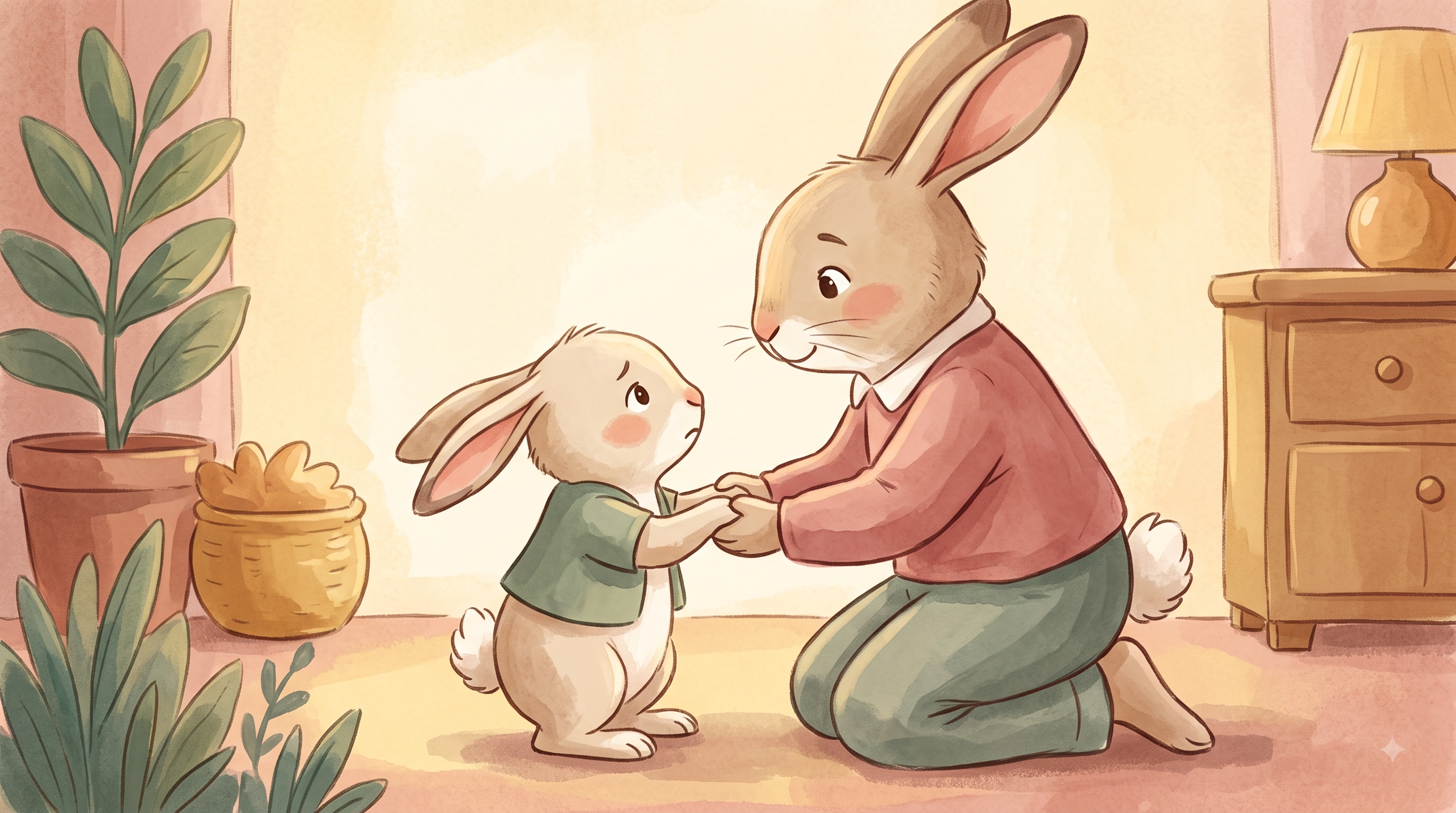
"Will I Get It Too?" Answering Children's Fears About Dementia
When a grandparent has dementia, children often carry a quiet, frightened question: *Can I catch it? Will Mum or Dad get it? Will I?* These worries are extremely common, and children frequently don't voice them — they simply carry the fear silently. The good news is that the honest answers are reassuring: dementia is not contagious, a child cannot catch it, and it is overwhelmingly a condition of much older age that isn't going to happen to them as a child. Answering these fears gently and truthfully — ideally before a child even asks — lifts a real weight off small shoulders.
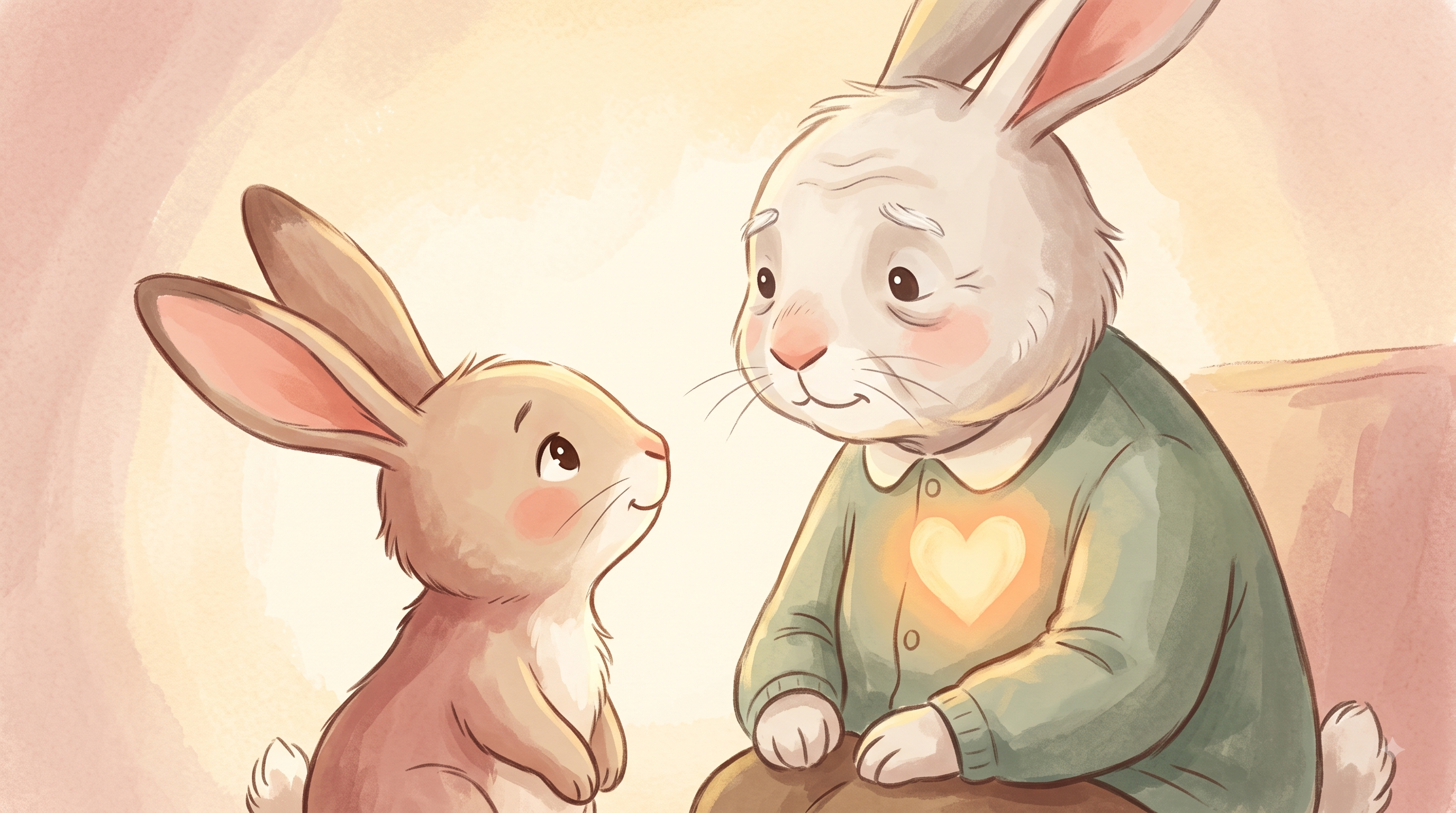
When Grandpa Seems Like a Different Person: Helping Kids With Personality Changes
One of the hardest parts of dementia for a child isn't forgetting — it's when a warm, familiar grandparent starts to seem like a different person. A gentle grandma who becomes irritable, a patient grandpa who gets suspicious or says hurtful things, a lively relative who goes quiet and distant. For a child, this can be more confusing and painful than memory loss, because it feels personal. The key is helping them understand that the sickness is changing how their grandparent acts, but it hasn't changed who their grandparent really is — or how much they're loved. The person is still there, underneath a brain that's struggling.
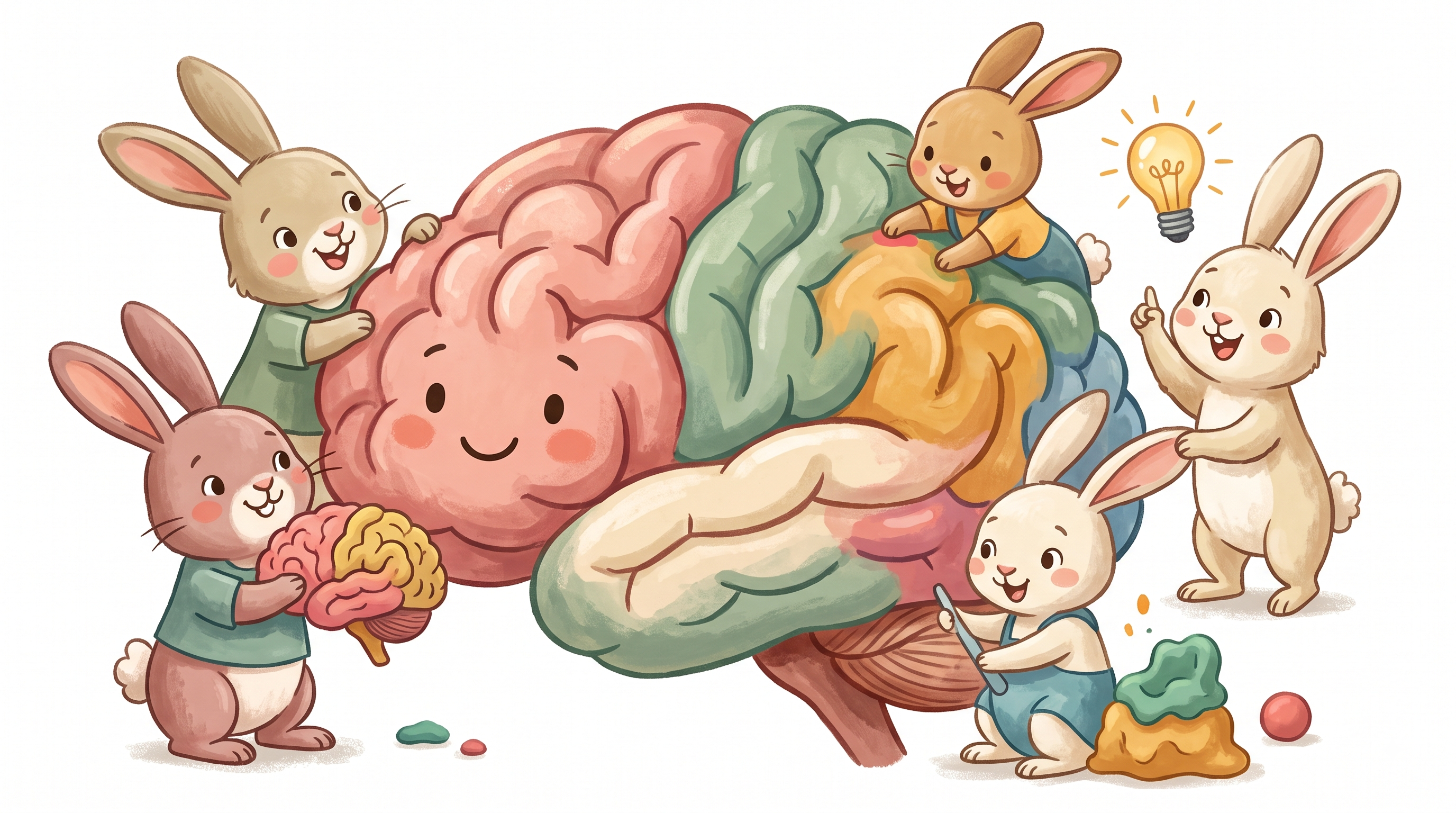
World Brain Day: Fun Ways to Teach Kids About Their Amazing Brain
World Brain Day (July 22) is a wonderful, upbeat chance to help children fall in love with the most amazing thing they own — their brain. You don't need to be a scientist or make it a lesson. With a few playful activities, kids can learn what their brain does, how to take care of it, and — gently — that brains can work differently in different people, which builds the kind of understanding and kindness that lasts a lifetime. It's a celebration, not a science class: the goal is wonder, not facts to memorize.
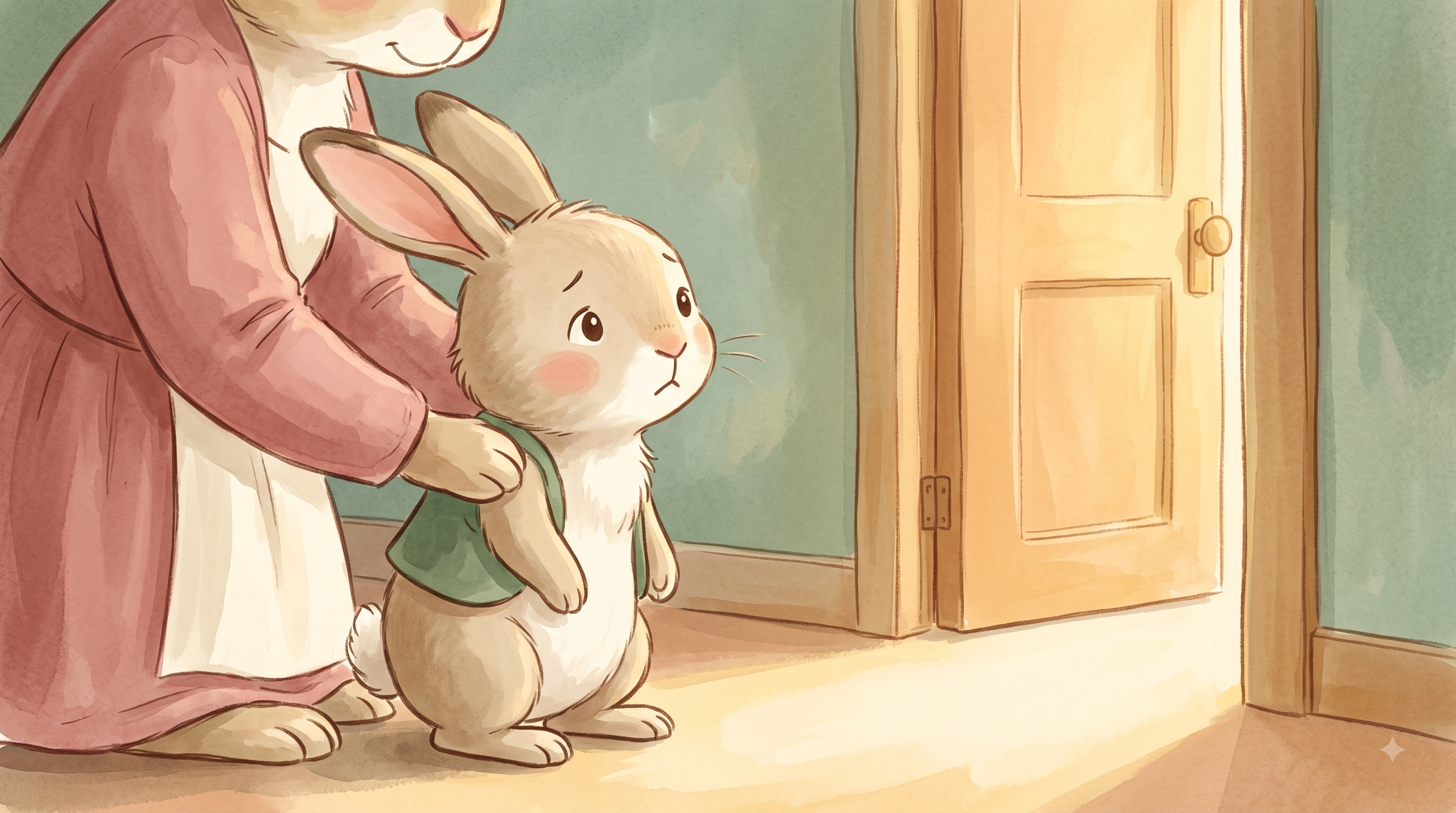
When Your Child Is Scared — or Doesn't Want to Visit
When a child is frightened of a grandparent with dementia, or flatly refuses to visit, it's a completely normal reaction — not bad behavior, and not a sign the relationship is broken. Something has changed in a person they love, and fear or reluctance is an honest response to that. The worst thing you can do is force it or shame it; the best is to get curious about the specific fear, take the pressure off, and rebuild connection in small, safe steps. Pushed, most children dig in. Met with patience, most come around — often more than you'd expect.
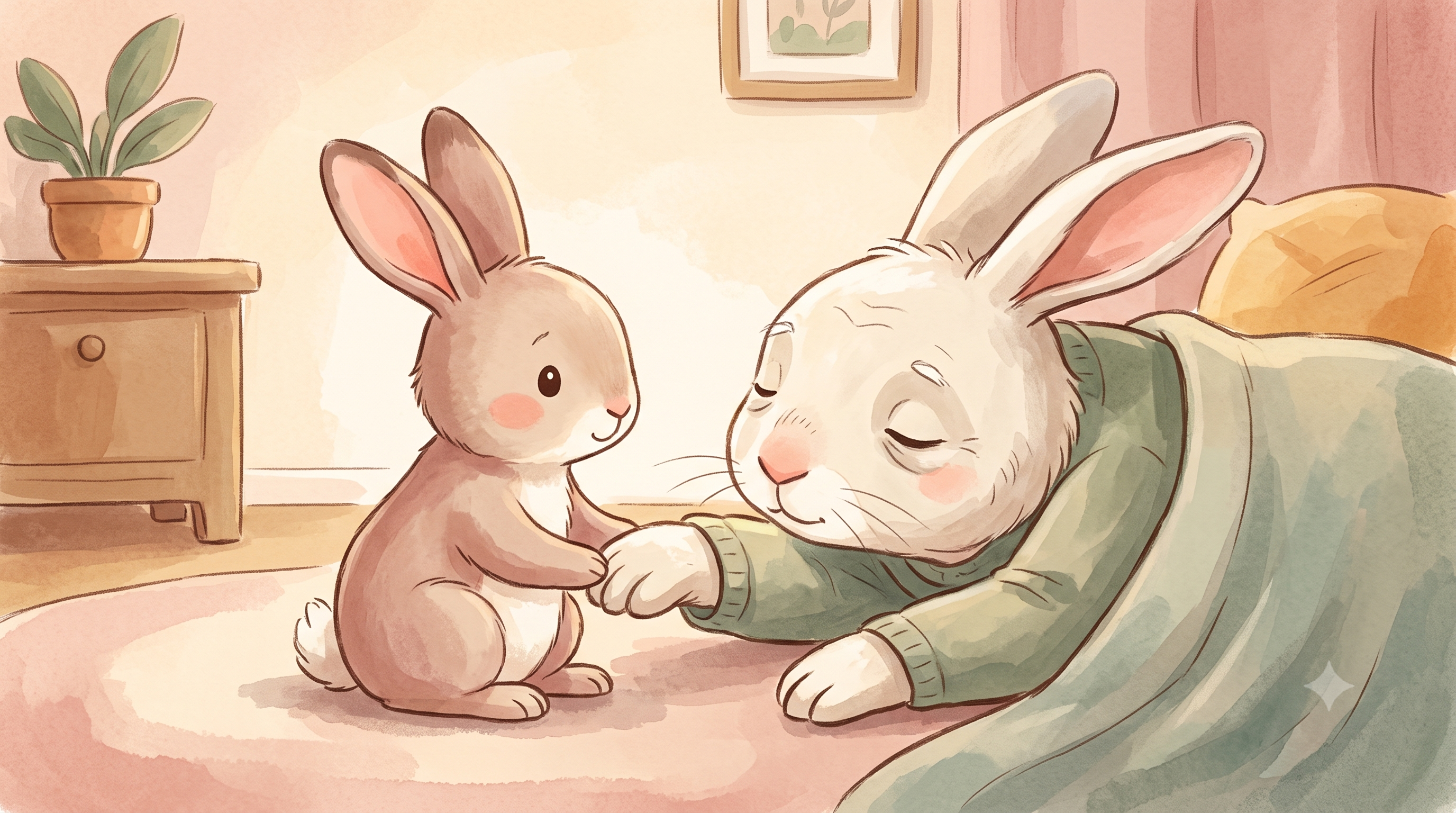
When Things Change: Talking to Children About the Later Stages of Dementia
As dementia progresses, children need honest, gentle updates rather than a single conversation that stands forever — and the guiding principle stays the same as it was at the beginning: tell the truth in words that fit their age, don't promise what you can't, and keep pointing to what remains. Children cope far better with a hard truth they understand than with a change nobody explains. And even in the later stages, when speech and recognition fade, connection is still possible through touch, voice, and presence — which is often the most comforting thing a child can learn.
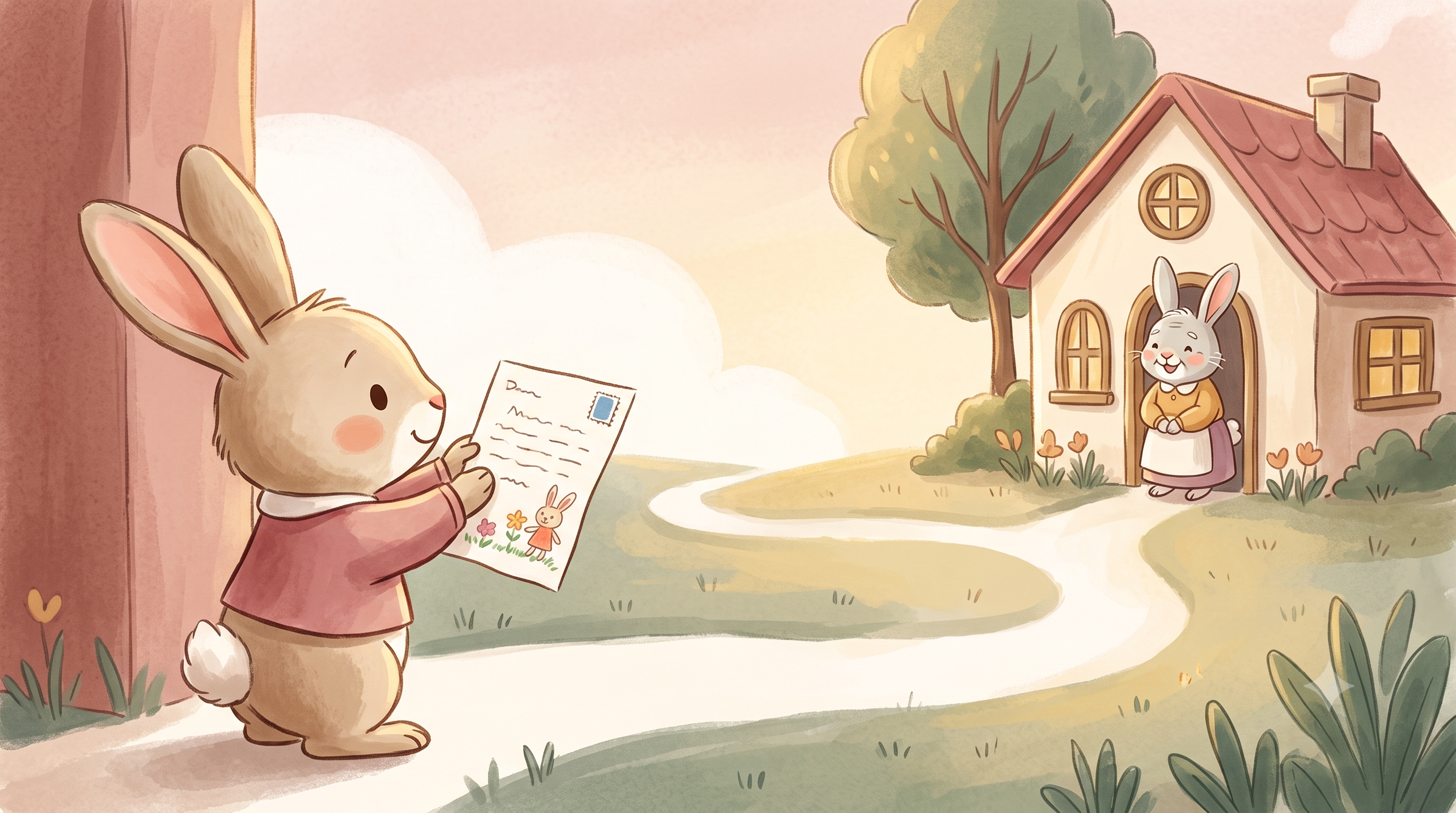
Staying Close From Far Away: Long-Distance Connection When a Grandparent Has Dementia
When a grandparent with dementia lives far away, meaningful connection is still absolutely possible — it just looks different from a visit. Video calls can be wonderful or confusing depending on the person and the day, so the most reliable approach is to send things that live in their world: a card in the mail, a drawing on the wall, a recorded song, a photo they can hold. Keep it short, warm, and repeatable, and don't measure success by whether they know who's calling. Presence can be delivered by post, and love travels perfectly well across a distance.
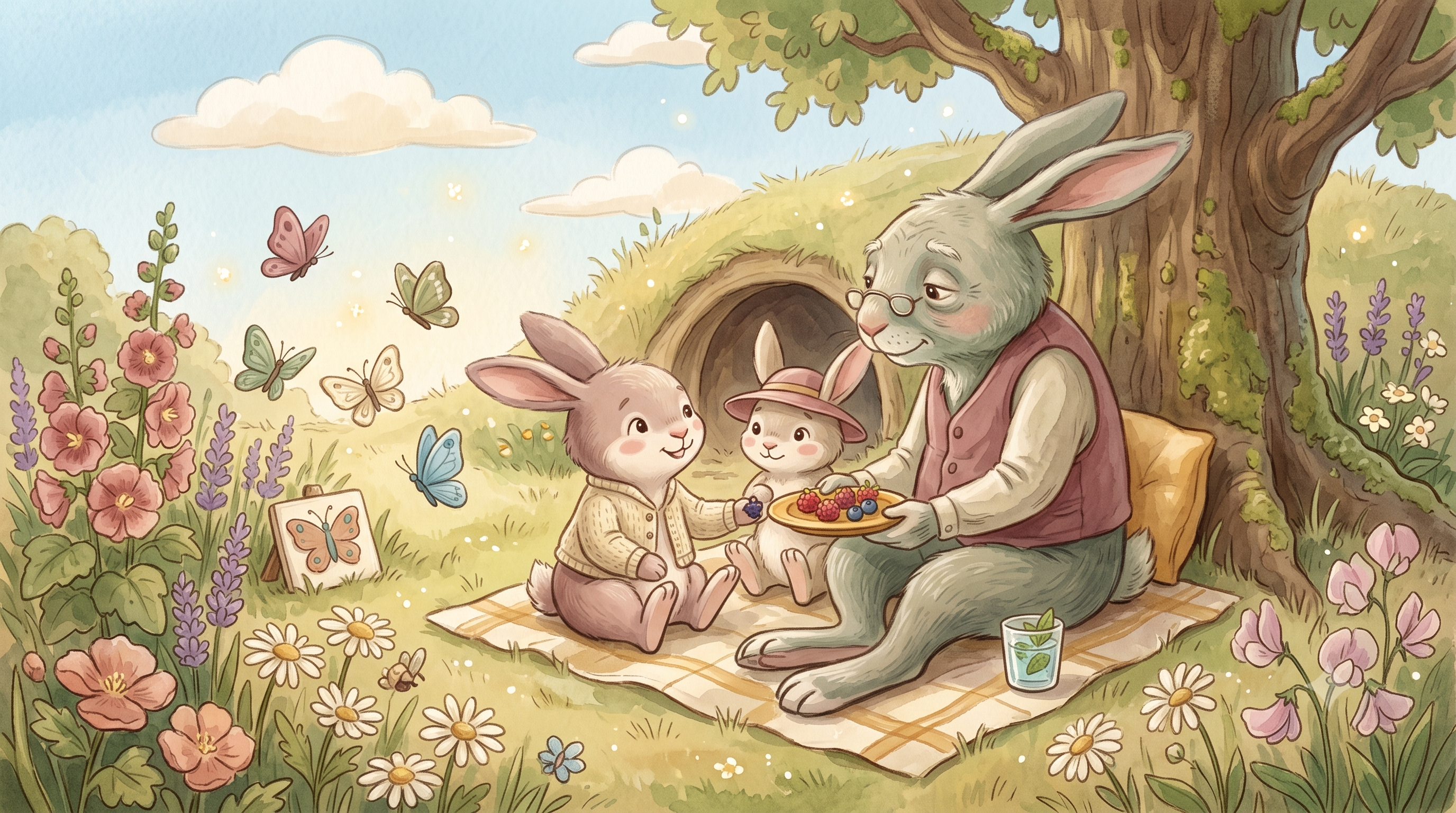
Summer Activities Kids and Grandparents With Dementia Can Share
Summer is full of simple, sensory pleasures — and those are exactly the kinds of moments a child and a grandparent with dementia can still share beautifully. When memory is changing, the best activities aren't elaborate outings but small, gentle, feel-good experiences: the warmth of the sun, the taste of ice cream, the smell of a garden, a familiar song drifting across the porch.
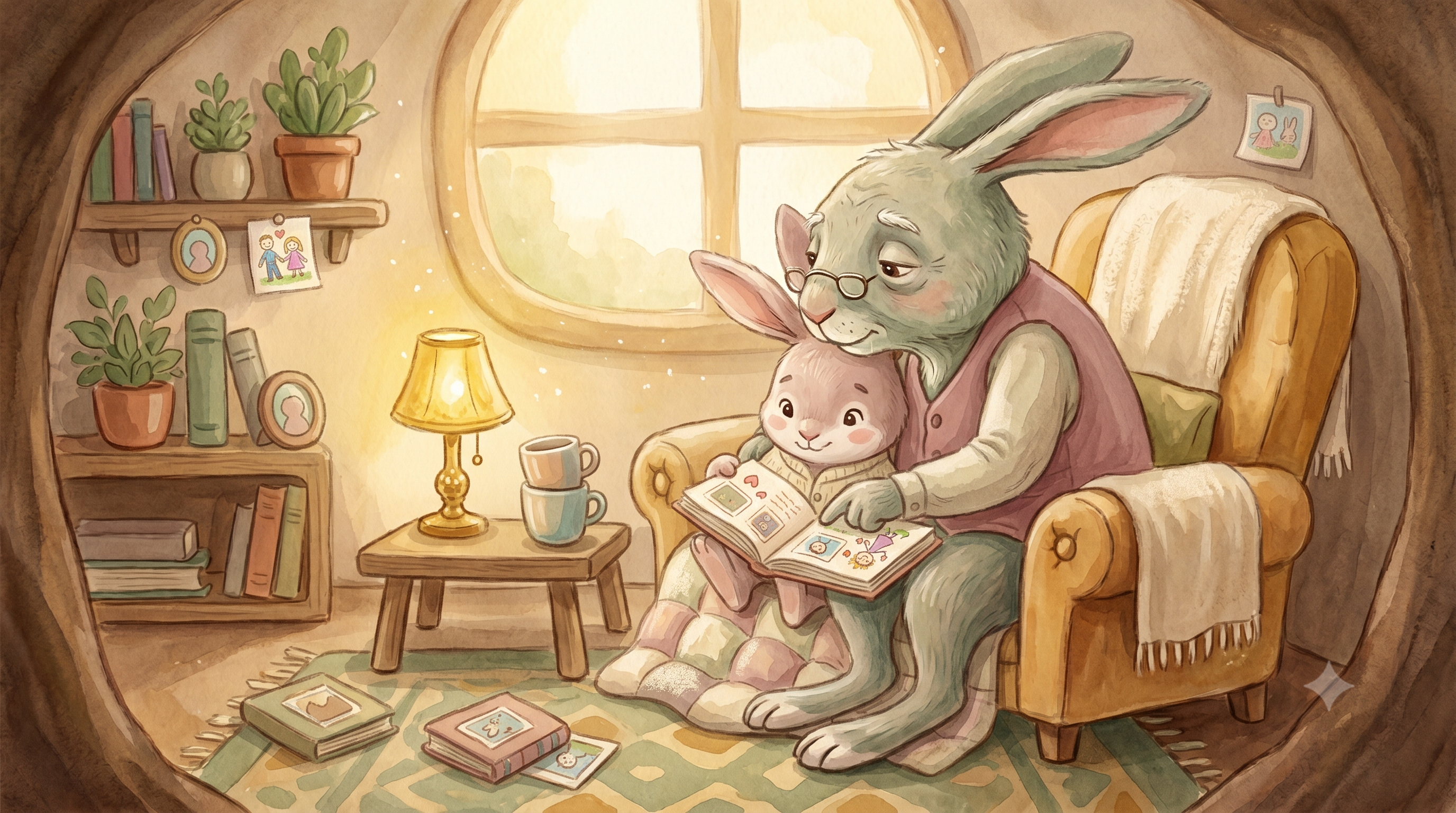
Making a Memory Book With Your Child for a Grandparent With Dementia
A memory book is one of the simplest, most loving things a child can make for a grandparent with dementia — a small album of photos and stories that helps their loved one reminisce, feel calm, and connect, while giving the child a meaningful way to help. You don't need to be crafty or spend money.
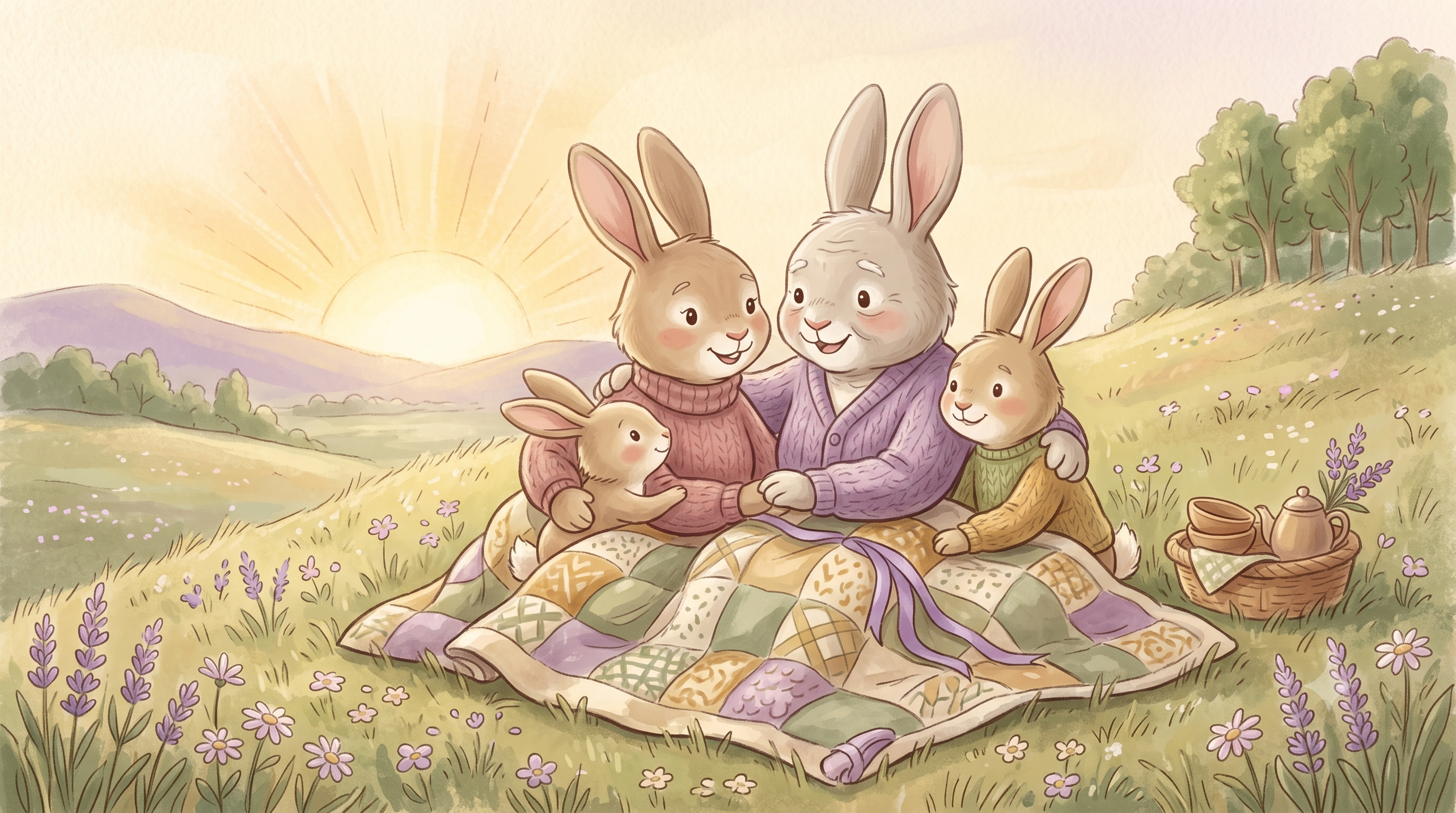
The Longest Day, Together: A Family Activity Kids Can Be Part Of
The Longest Day — the summer solstice, the day with the most light — is one of the loveliest ways for a whole family, children included, to honor someone they love who's living with dementia.
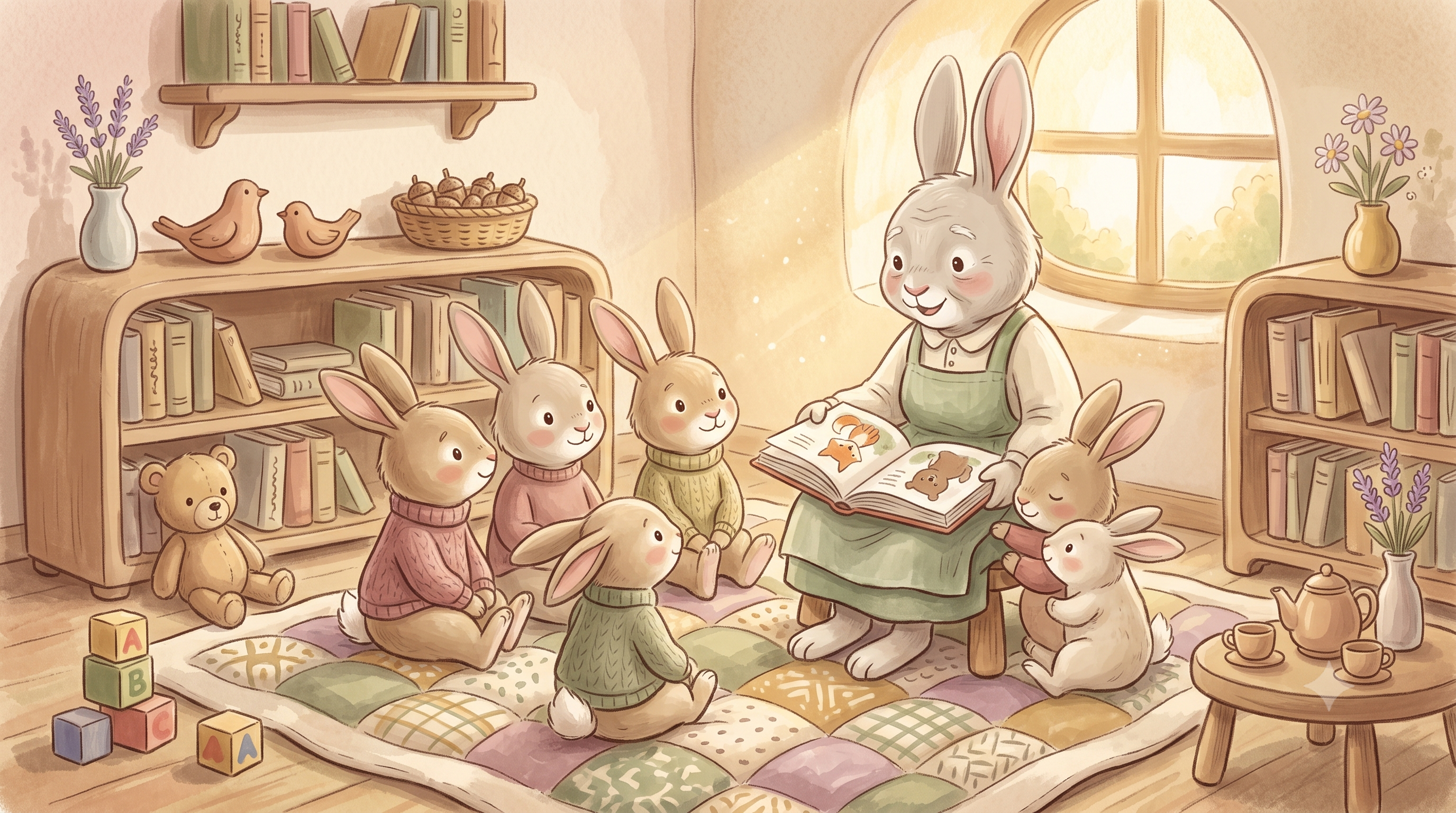
Teaching Empathy Through Story: Dementia and SEL in the Early Classroom
Story is one of the most powerful tools we have for teaching young children empathy — and a gentle story about a grandparent whose memory is changing can build perspective-taking, compassion, and emotional vocabulary in ways a worksheet never could.
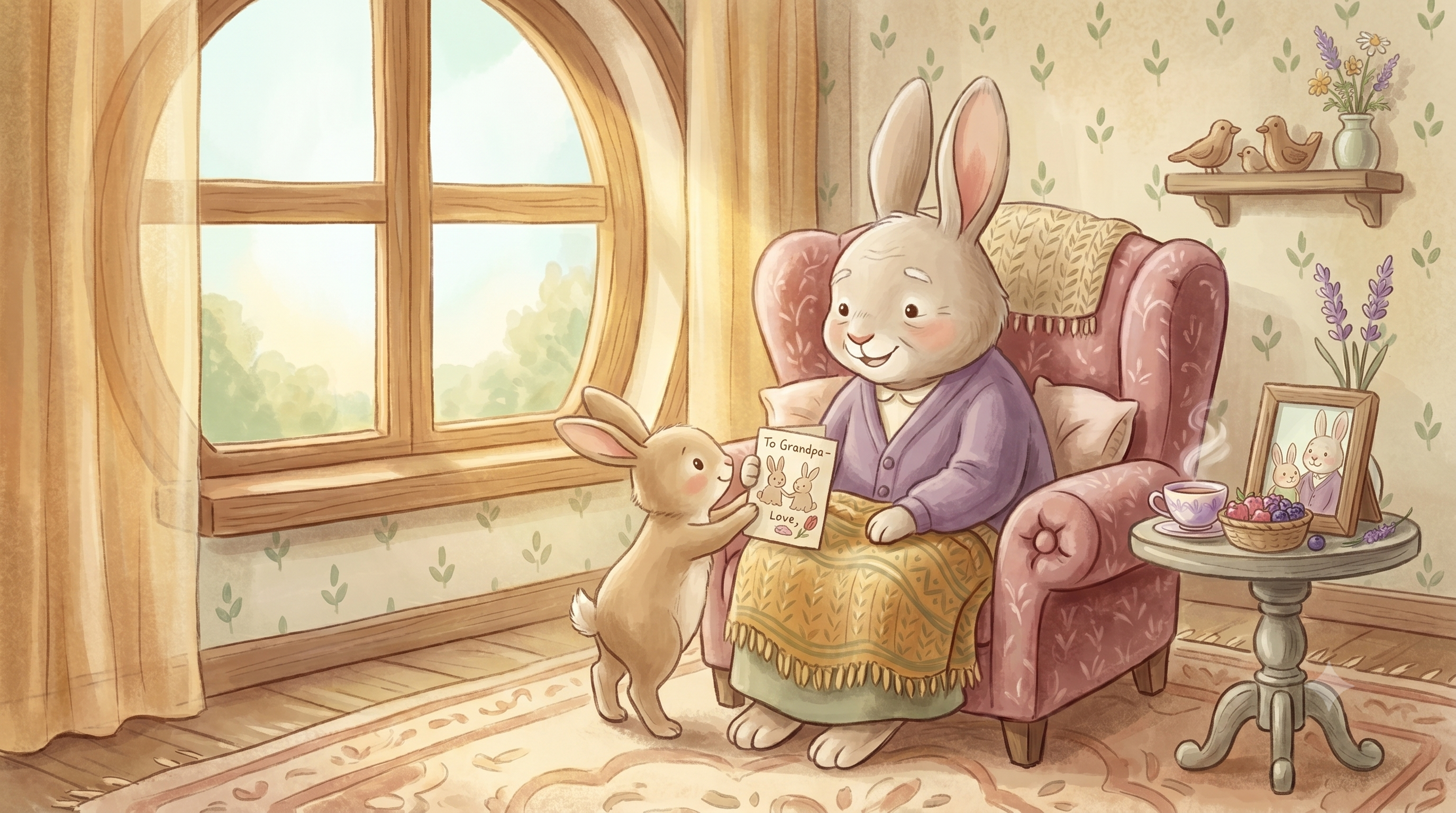
A Father's Day for Changing Memories: Helping Kids Celebrate Grandpa
When a father or grandfather is living with dementia, Father's Day can feel bittersweet — but it can still be tender, joyful, and deeply connecting if you let go of the big-celebration script and lean into small, sensory moments instead.
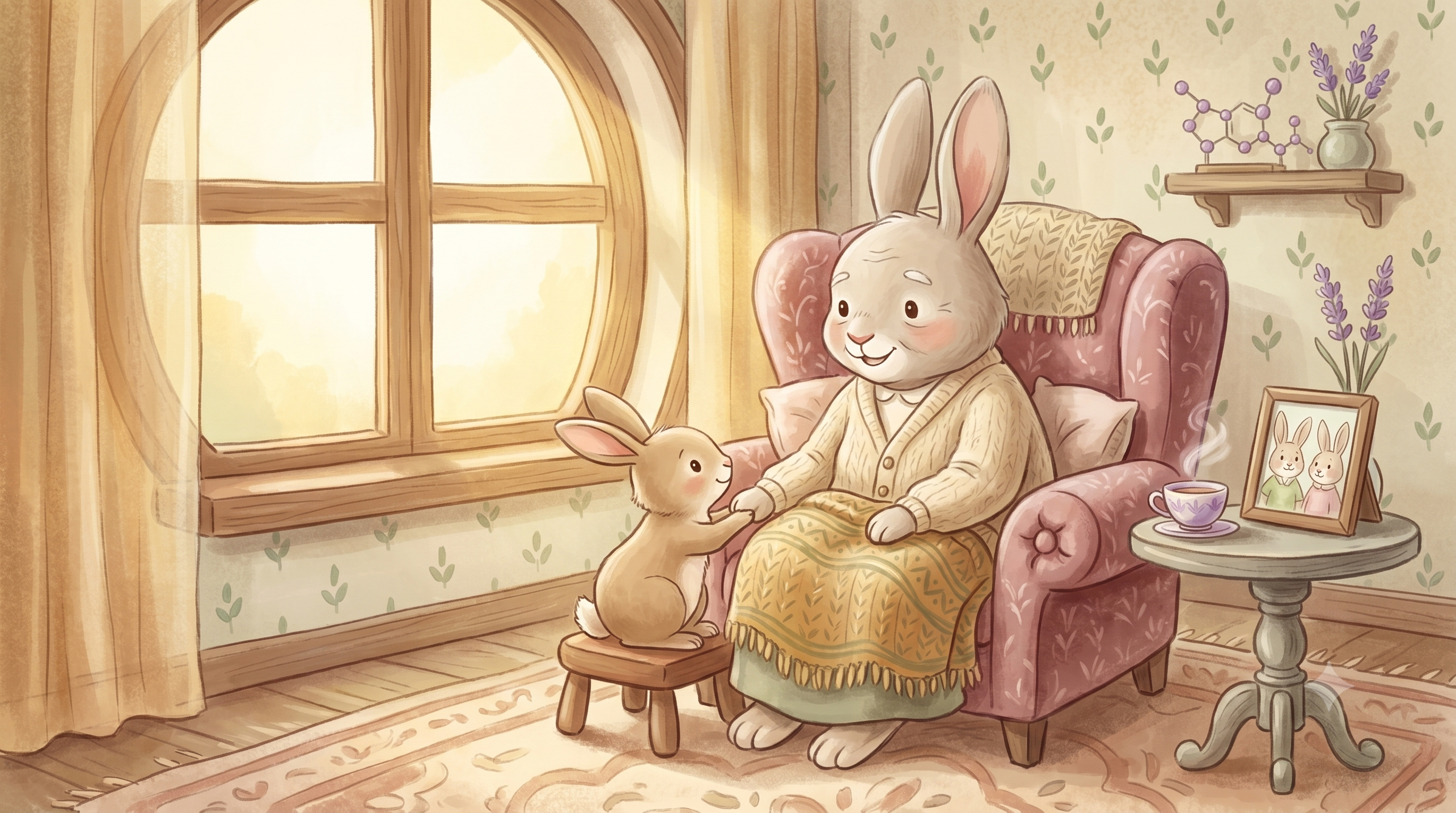
Visiting a Grandparent in Memory Care: A Family's Gentle Guide
Taking a child to visit a grandparent in memory care can be one of the most loving things a family does — and it goes best when you prepare a little, keep it short and sensory, and let go of the idea that it has to look a certain way.
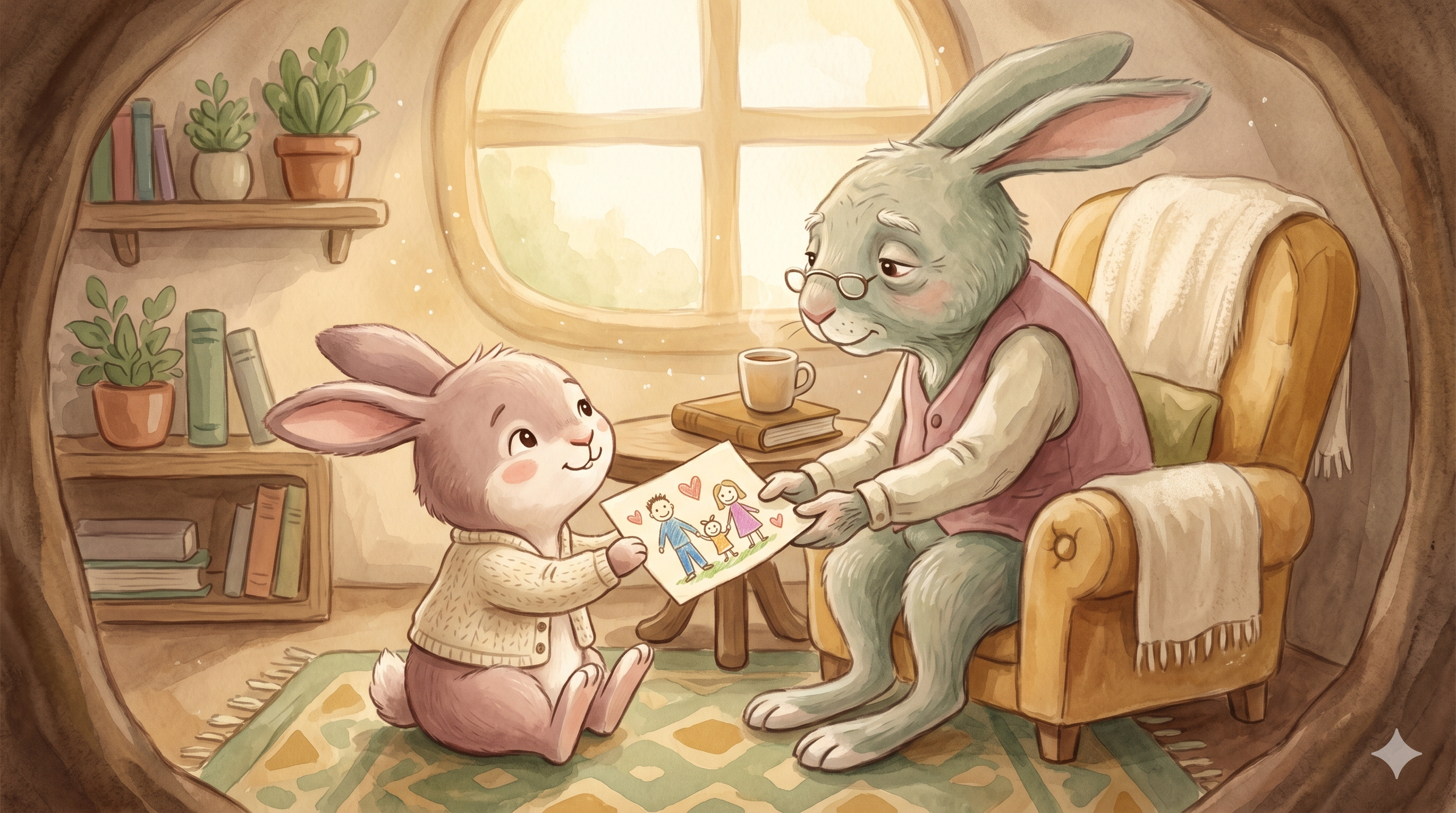
When a Grandparent Forgets Your Child's Name: Gentle Things to Say
When a grandparent with dementia forgets your child's name, the kindest thing you can do is name the feeling and protect the bond: let your child know it's okay to feel sad or confused, that Grandma's brain is sick and it isn't anyone's fault, and that the love between them is still completely real — even when the name slips away.
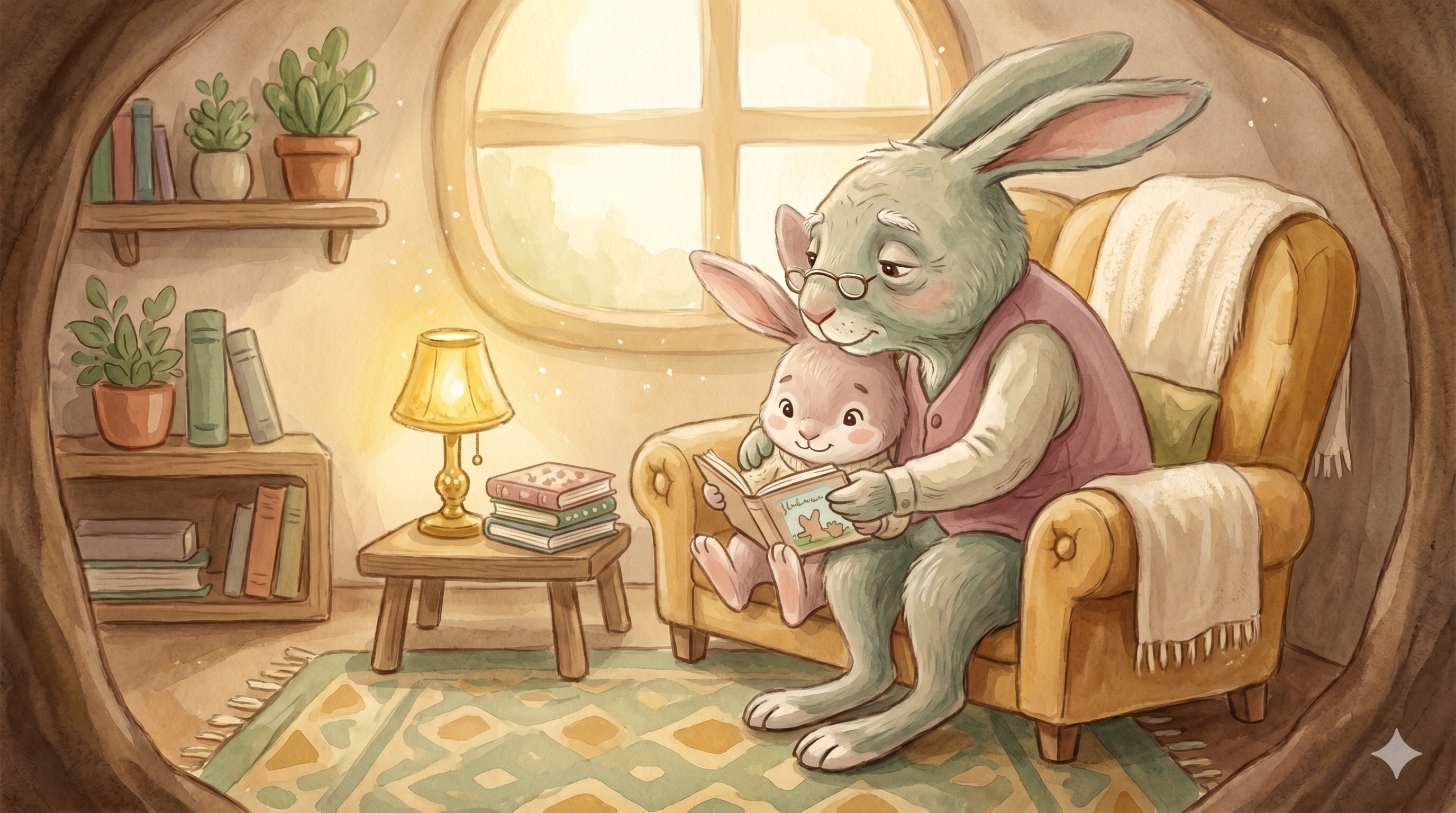
Children's Books That Gently Explain Memory Loss and Dementia
A good picture book can do something a careful explanation often can't: it lets a child meet a hard, abstract idea safely, through a character, with a parent close by.
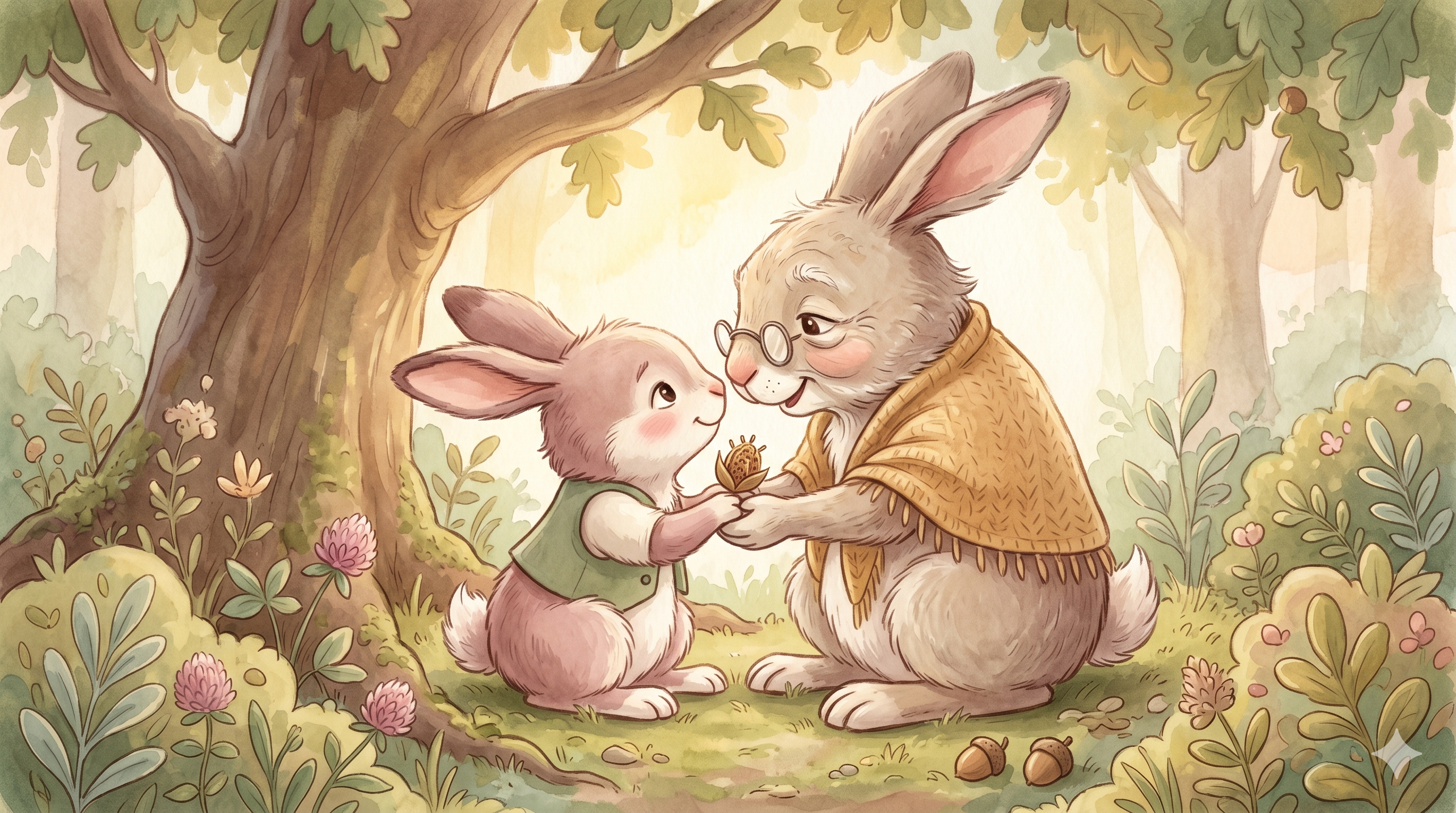
How Do You Explain Dementia to a Child?
The simplest way to explain dementia to a child is to be honest, gentle, and concrete: a person's brain is getting sick in a way that makes it hard to remember things and sometimes makes them act differently — but it isn't anyone's fault, it isn't catching, and the love between them doesn't go away.
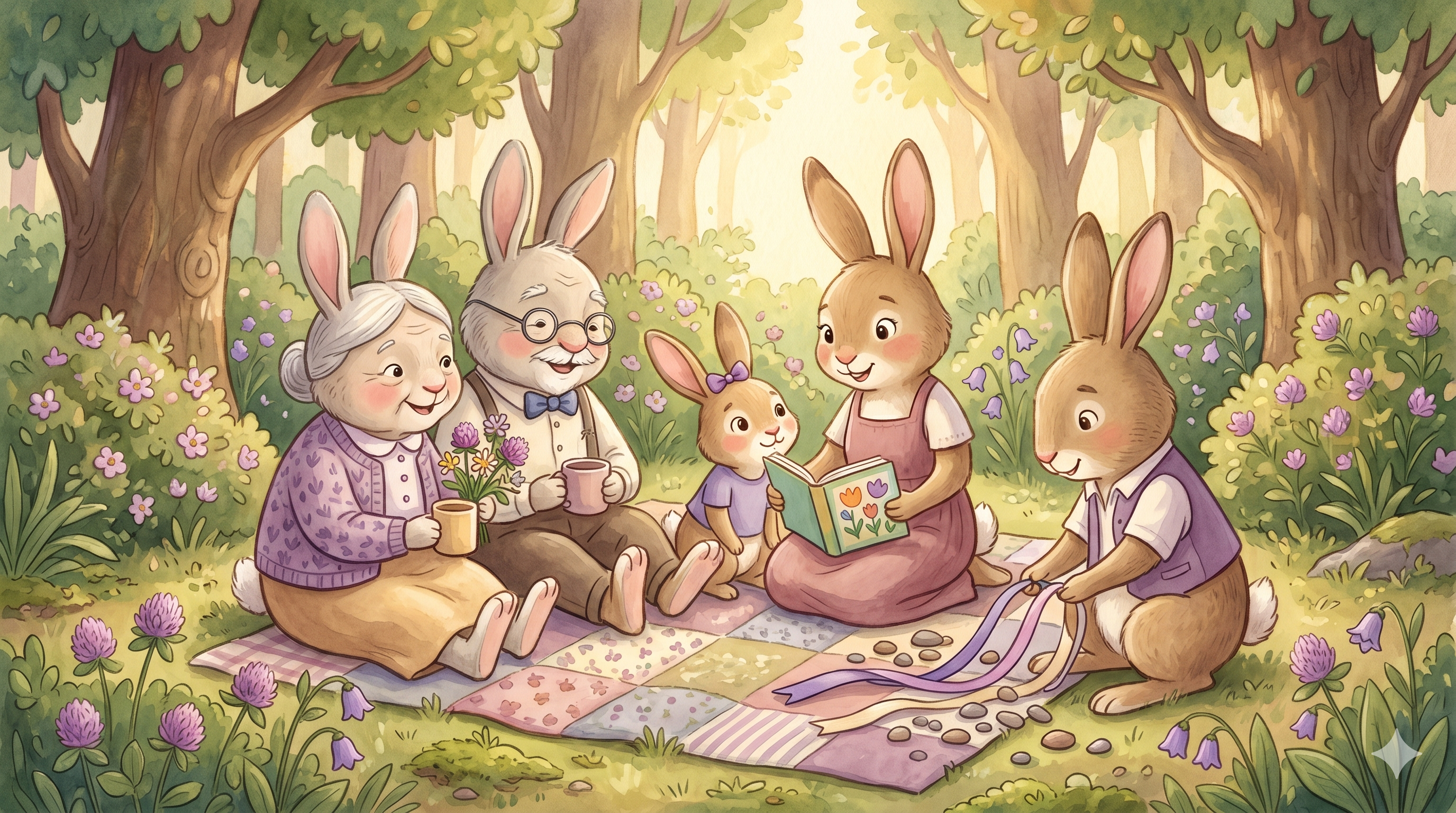
What Alzheimer's & Brain Awareness Month Means for Families With Young Children
June is Alzheimer's & Brain Awareness Month — a month set aside, since 2014, to talk openly about the brain, about dementia, and about the families living alongside it. For households with young children, it's a gentle invitation: a natural, low-pressure moment to begin the kinds of conversations that are far easier to start before they feel urgent. You don't need to turn it into a lesson.