What Alzheimer's & Brain Awareness Month Means for Families With Young Children
June is Alzheimer's & Brain Awareness Month — a month set aside, since 2014, to talk openly about the brain, about dementia, and about the families living alongside it. For households with young children, it's a gentle invitation: a natural, low-pressure moment to begin the kinds of conversations that are far easier to start before they feel urgent. You don't need to turn it into a lesson.
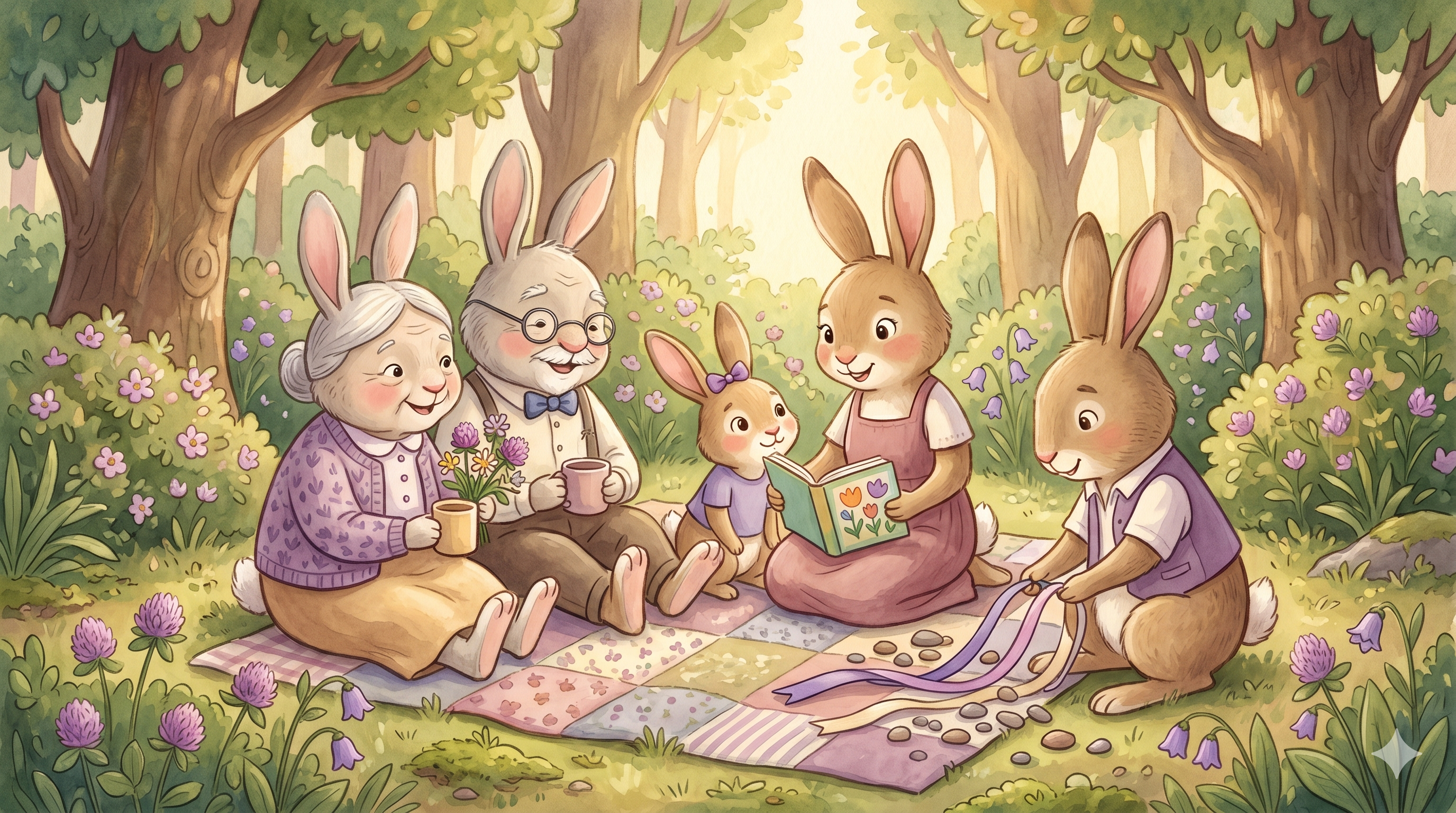
June is Alzheimer's & Brain Awareness Month — a month set aside, since 2014, to talk openly about the brain, about dementia, and about the families living alongside it. For households with young children, it's a gentle invitation: a natural, low-pressure moment to begin the kinds of conversations that are far easier to start before they feel urgent. You don't need to turn it into a lesson. A few small, warm gestures — wearing purple together, reading a story, talking about a grandparent you love — are more than enough.
If someone in your family is living with dementia, this month can feel tender. And if no one is, it's still a quiet opportunity to plant seeds of empathy that will serve your child for a lifetime.
Why does an awareness month matter for kids?
Children are growing up in a world where dementia is increasingly part of family life. More than 7 million Americans are now living with Alzheimer's, which means a great many children have a grandparent, great-grandparent, or family friend whose memory is changing. Awareness months exist to make the unspoken speakable — and for children, having permission to ask questions and name feelings is exactly what helps a confusing experience feel safe.
Taking part also teaches something quietly powerful: that when someone we love is struggling, we move toward them with kindness rather than away in fear. That lesson lands far better through small shared actions than through any speech.
Simple ways your family can take part
None of these require a hard conversation. They're doorways, not curriculums.
Wear purple together. Purple is the color of the Alzheimer's movement, and pulling on a purple shirt as a family is a wonderfully concrete way for young children to feel included in something meaningful. If your child asks why, you have a gentle, ready-made opening.
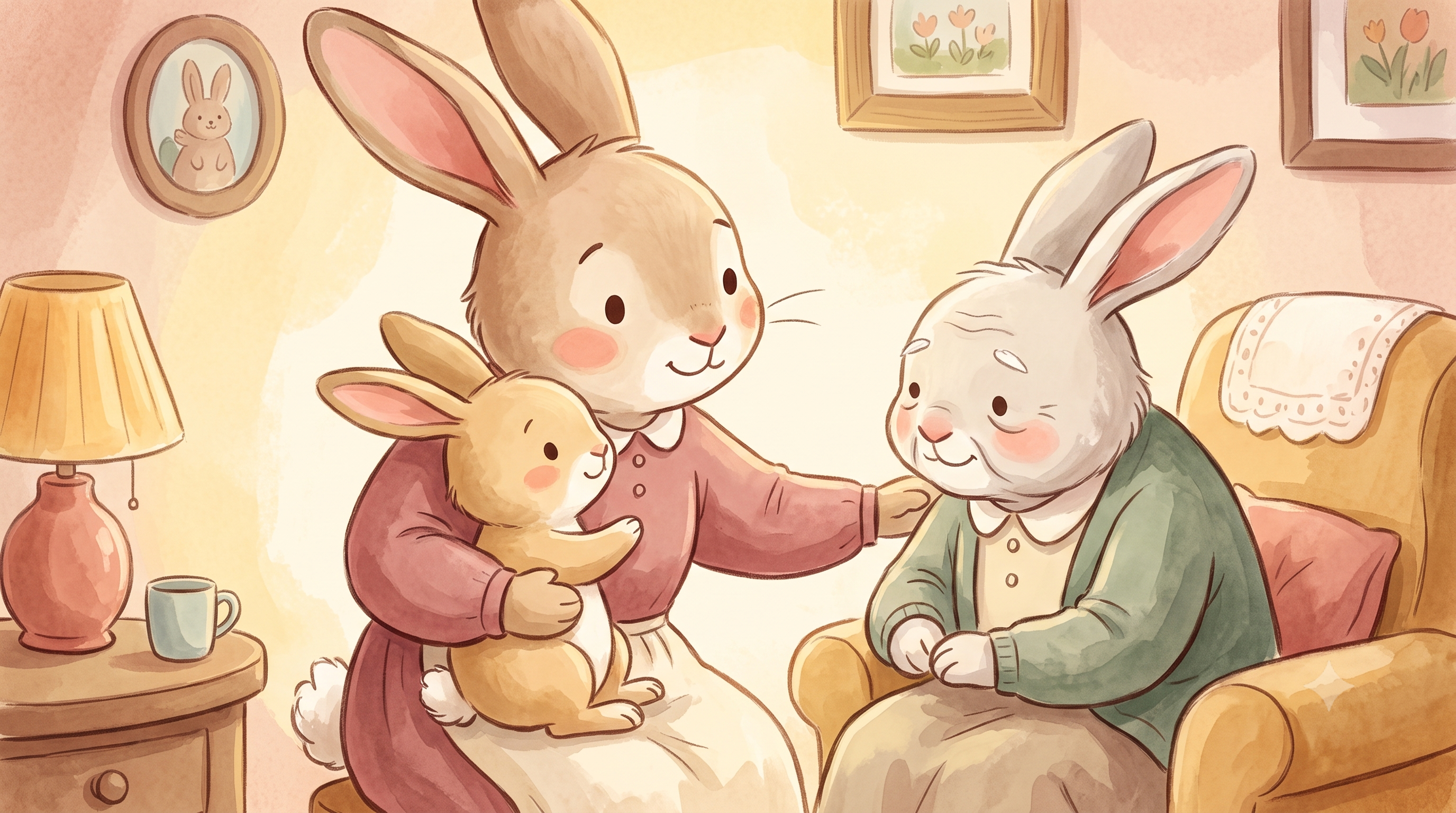
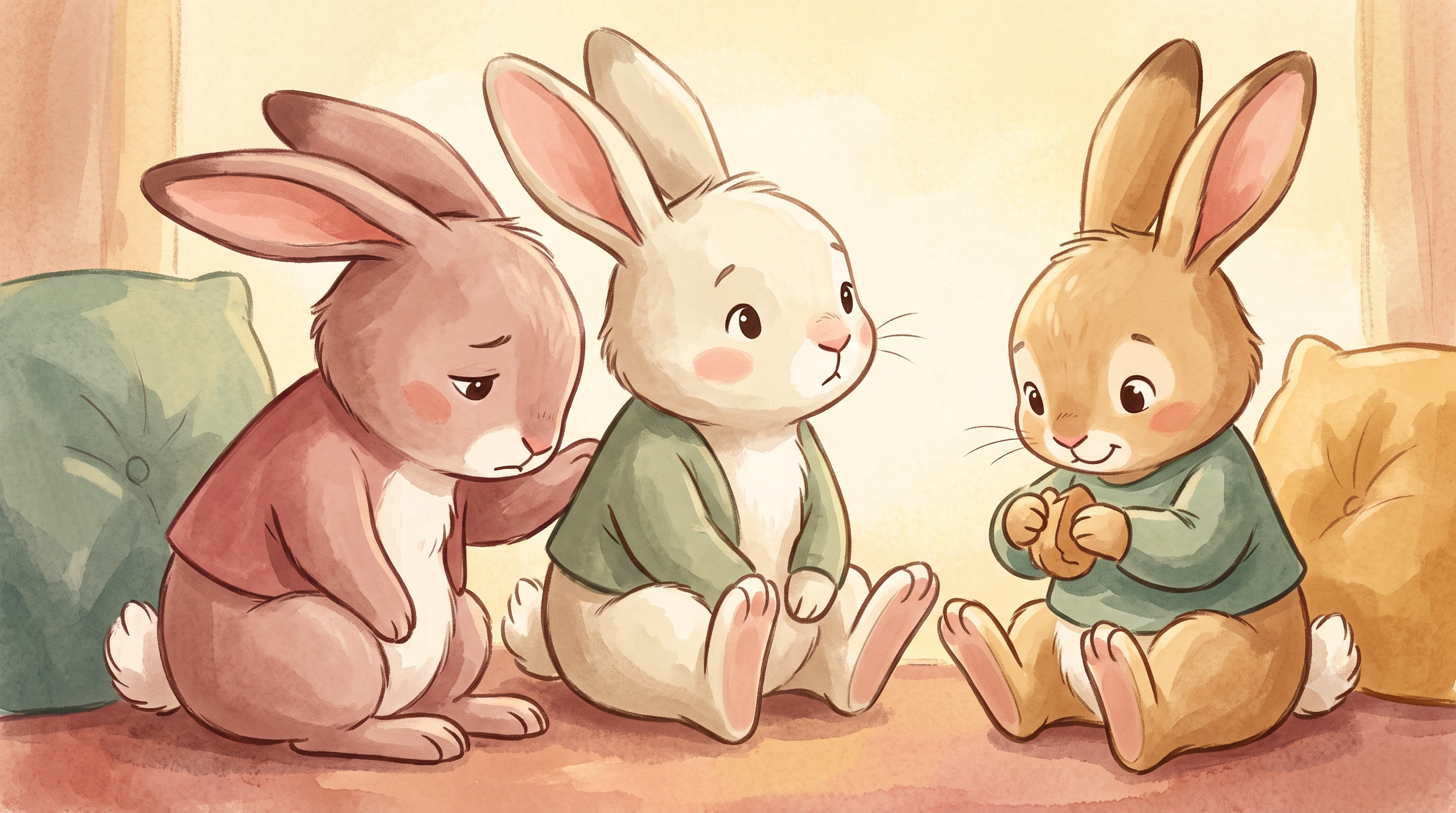
Read a story together. Children often understand big things best through characters. A picture book about a grandparent whose memory is changing lets a child meet the idea safely, and gives them words for feelings they may already be carrying. (It's why we created Rosemary Rabbit and Grandpa Hopper — a soft, story-shaped way in.)
Make a memory together. Bake something a grandparent loves, draw a picture for them, or make a little photo book of happy times. For a loved one with dementia, simple sensory moments — a familiar smell, a song, a photo — can be a real comfort, and children love having a job to do.
Do something kind, however small. Older children might want to help with a visit, raise a few dollars, or learn more about the brain. A sense of doing something turns worry into agency, which is comforting at any age.
Talk, a little, when the moment opens. You don't have to schedule The Big Conversation. Often the best ones happen sideways — in the car, at bedtime, while coloring. If your child asks a question this month, treat it as the gift it is, and answer honestly and gently. (Our guide on how to explain dementia to a child walks through age-by-age words if you'd like a starting point.)
What if this month feels heavy?
For families already in the thick of caregiving, an awareness month can stir up a lot — grief, exhaustion, love, all at once. Please be gentle with yourselves. You don't owe anyone a purple-ribbon photo or a perfect activity. Sometimes "taking part" looks like simply getting through the week and giving your child one honest, reassuring answer. That counts.
It can also help to remember that brain health is genuinely hopeful territory. Researchers increasingly believe that a meaningful share of dementia risk is linked to things we can influence — a topic our friends at Brain Meets Bytes explore in Can Alzheimer's Be Prevented? Children don't need that detail, but caregivers sometimes find comfort in it: this is a field moving forward, not standing still.
The heart of it
Alzheimer's & Brain Awareness Month isn't really about statistics or ribbons. For families with young children, it's about something simpler and more lasting: helping the next generation grow up understanding that memory can change while love stays the same — and that the kind thing to do, when someone is struggling, is to come closer. Whatever small way you choose to mark the month, that's the lesson you're teaching. And it's a beautiful one.
Frequently asked questions
When is Alzheimer's & Brain Awareness Month? It's observed every June. Established by the Alzheimer's Association in 2014, it's dedicated to opening a global conversation about the brain, Alzheimer's, and other dementias. Its signature day, The Longest Day, falls on the summer solstice around June 20–21.
How do you explain Alzheimer's Awareness Month to a young child? Keep it simple and kind: "This is a special month when people learn about a sickness that makes it hard for some people to remember things, and we show we care — sometimes by wearing purple." Let their questions lead from there.
What can families do for Alzheimer's & Brain Awareness Month? Wear purple together, read a story about memory and family, make a memory with a loved one, do a small act of kindness or fundraising, and answer children's questions honestly when they come up.
Rosemary Rabbit helps families talk about memory, dementia, and love with warmth and honesty. Join our community of parents and caregivers.