When Your Child Is Scared — or Doesn't Want to Visit
When a child is frightened of a grandparent with dementia, or flatly refuses to visit, it's a completely normal reaction — not bad behavior, and not a sign the relationship is broken. Something has changed in a person they love, and fear or reluctance is an honest response to that. The worst thing you can do is force it or shame it; the best is to get curious about the specific fear, take the pressure off, and rebuild connection in small, safe steps. Pushed, most children dig in. Met with patience, most come around — often more than you'd expect.
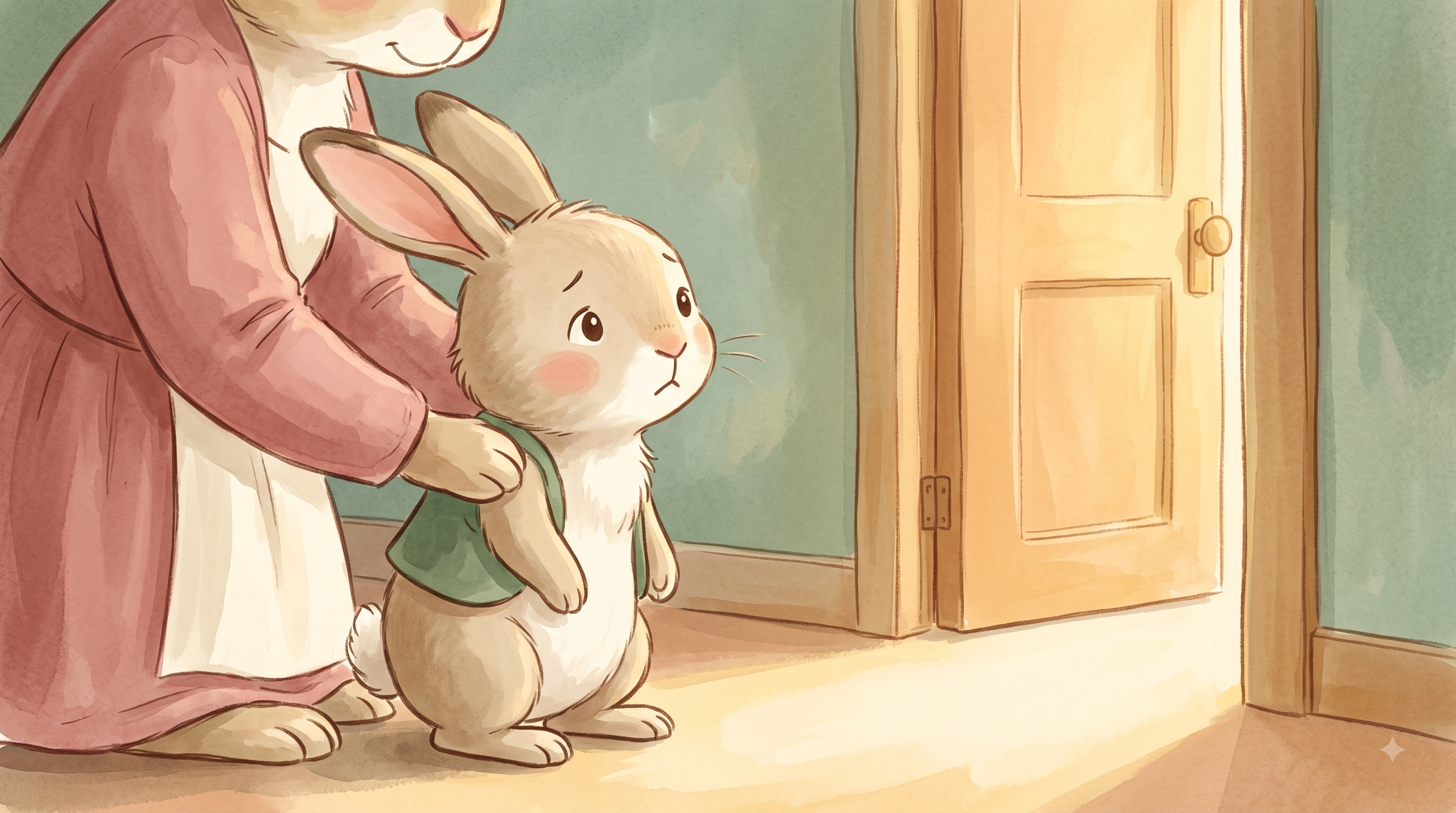
When a child is frightened of a grandparent with dementia, or flatly refuses to visit, it's a completely normal reaction — not bad behavior, and not a sign the relationship is broken. Something has changed in a person they love, and fear or reluctance is an honest response to that. The worst thing you can do is force it or shame it; the best is to get curious about the specific fear, take the pressure off, and rebuild connection in small, safe steps. Pushed, most children dig in. Met with patience, most come around — often more than you'd expect.
Why children get scared
Fear usually has a specific cause, even when a child can only say "I don't want to go." Understanding the real source is the whole game. Common ones:
- A behavior that frightened them. A grandparent who got agitated, said something odd or unkind, cried, or didn't recognize them. One scary moment can color the whole idea of visiting.
- The change itself. Seeing someone they love become confused or different is genuinely unsettling — it can make the world feel less safe and predictable.
- The setting. Care homes and hospitals can be frightening to children: unfamiliar, full of other unwell people, sometimes with equipment or smells that feel scary.
- Not knowing how to act. Some children aren't scared so much as lost — they don't know what to say or do, and avoidance feels easier than getting it wrong.
- Fear of catching it, or of losing you. Younger children sometimes worry dementia is contagious, or that it will happen to you.
You often can't tell which it is from the outside — so the first move isn't persuading, it's asking.
Getting curious instead of forcing
The instinct to insist ("she's your grandmother, you're going") is understandable and almost always backfires — it turns a fear into a battle and teaches the child their feelings don't count. Try curiosity first.
Gently explore what's really going on: "It seems like visiting Grandma feels scary right now. Can you tell me what the scariest part is?" Then listen without arguing. Whatever comes up — "she yelled," "she didn't know me," "it smells funny there," "I don't know what to say" — is your map. Each specific fear has a specific, workable response, where "just go anyway" has none.
Validate before you problem-solve: "That makes sense. It was scary when she got upset. I understand why you'd feel that way." A child who feels understood is far more open to a next step than one who feels overruled.
Rebuilding connection in small steps
Once you know the fear, you can lower the pressure and rebuild gently. The goal is small, safe successes, not a full visit tomorrow.
- Take the visit off the table for now. Paradoxically, removing the pressure often reduces the resistance. Connection doesn't have to mean being in the room.
- Start at a distance. A drawing sent, a card, a short video message, a quick hello on a call. Let the child contribute to the relationship in a way that feels safe. (Our long-distance ideas can help.)
- Prepare thoroughly for any visit. Fear feeds on the unknown. Explain exactly what to expect — what Grandma might do, what the place is like — so nothing is a surprise. (Our memory-care visit guide walks through this.)
- Give them control. Let the child set terms: a short visit, staying near you, not having to hug, bringing a comfort item, a clear "we can leave whenever you want." Control is the antidote to fear.
- Give them a job. A specific role — delivering a drawing, playing a song, showing a toy — replaces the anxious blankness of "what do I do?" with a comfortable task.
- Keep first steps tiny and end on a good note. A five-minute visit that goes okay rebuilds more than an hour that overwhelms. Leave while it's still going well.
Address the specific fears directly, too: reassure a worried child plainly that dementia isn't catching and very likely won't happen to you, and that if Grandpa gets upset, you'll help and you can step out together.
When to ease off entirely
Sometimes, for a while, the kindest choice is not to push visits at all — and that's okay. If a child is genuinely distressed, forcing it serves no one, and the grandparent isn't helped by a frightened, unhappy child in the room. Connection can continue by post and screen while the fear settles, and you can revisit in-person time later. Meeting a child where they are isn't giving up on the relationship; it's protecting it.
And keep the long view. Children's fears shift as they grow and understand more. The frightened six-year-old may become the gentle nine-year-old who holds a hand without prompting. Your job isn't to win this visit — it's to keep the door open, honor your child's feelings, and quietly show them that love finds a way to stay connected, even when it's hard, and even when it has to go slowly.
For the words that underpin all of this, see our guide on how to explain dementia to a child.
Frequently asked questions
Is it normal for a child to be scared of a grandparent with dementia?+
Yes, completely. Seeing someone they love become confused or behave differently is genuinely unsettling, and fear or reluctance is an honest response — not misbehavior or a lack of love. The key is understanding the specific fear rather than forcing the visit.
Should you make a child visit a grandparent with dementia?+
No — forcing or shaming a frightened child usually deepens the fear and can harm the relationship. Instead, get curious about what specifically scares them, take the pressure off, and rebuild connection in small, low-pressure steps at the child's pace.
How do you help a child who refuses to visit?+
Ask gently what the scariest part is and validate it, then lower the stakes: connect from a distance first, prepare thoroughly for any visit, give the child control (short visits, no forced hugs, the option to leave), and give them a small role. Ease off entirely if they're truly distressed.