Teaching Empathy Through Story: Dementia and SEL in the Early Classroom
Story is one of the most powerful tools we have for teaching young children empathy — and a gentle story about a grandparent whose memory is changing can build perspective-taking, compassion, and emotional vocabulary in ways a worksheet never could.
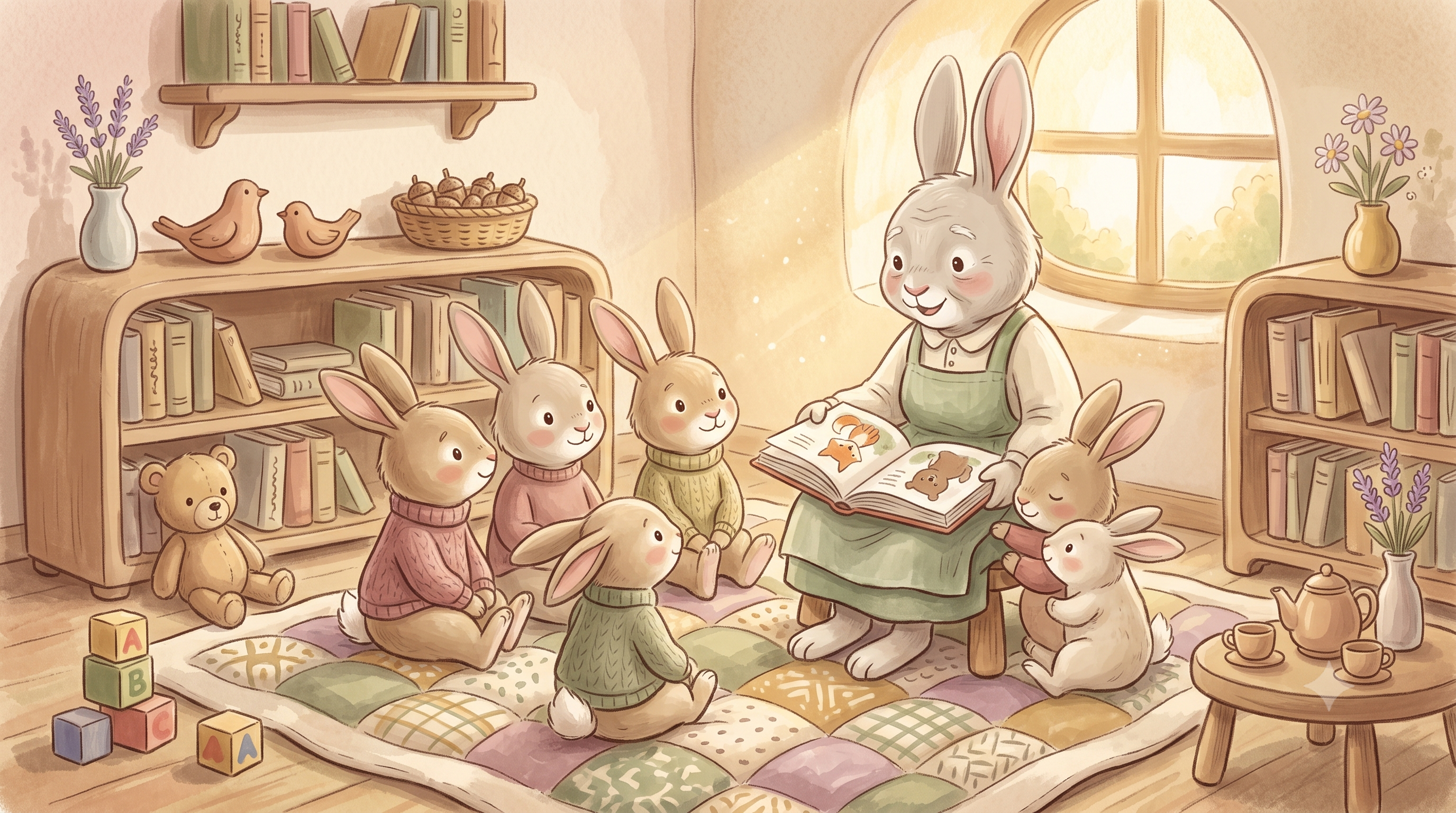
Story is one of the most powerful tools we have for teaching young children empathy — and a gentle story about a grandparent whose memory is changing can build perspective-taking, compassion, and emotional vocabulary in ways a worksheet never could. When children step into a character's experience, they practice imagining a life unlike their own, which is the very heart of social-emotional learning. A picture book about dementia, handled warmly, gives a class a safe, shared way to explore big feelings, talk about kindness toward people who are different or struggling, and discover that understanding someone is the first step to caring for them.
Why story is such a powerful teacher of empathy
Empathy is, at its core, the ability to imagine what someone else is feeling — and stories are imagination machines. When children follow a character through a hard experience, they rehearse perspective-taking in a low-stakes, emotionally safe way. They feel with the character, name what's happening, and carry that practice back into their own relationships.
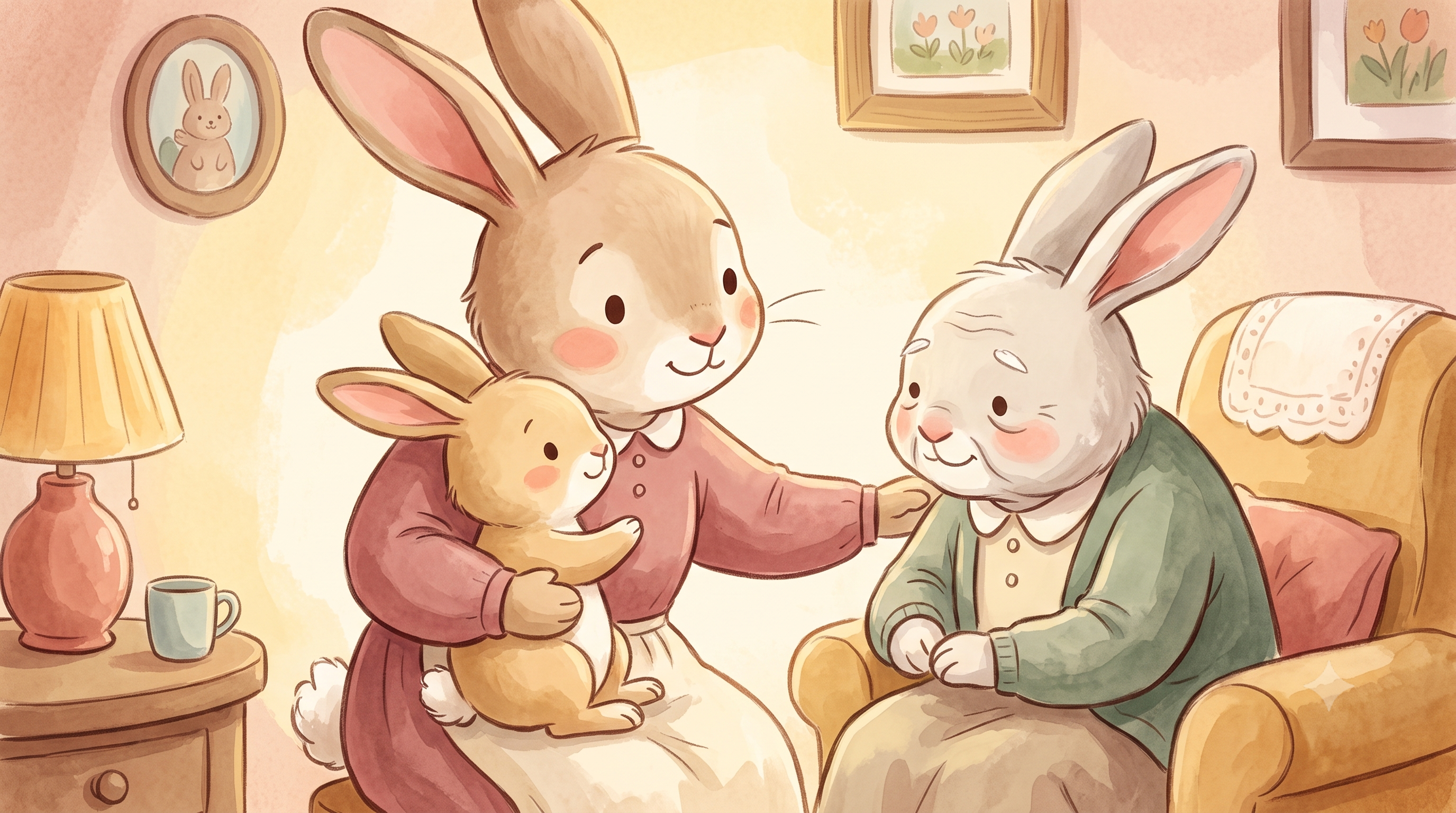
Aging and memory loss are especially rich territory for this. Many children already have a grandparent or older relative whose memory is changing, which means a story about dementia isn't abstract — it connects to real people they love. And because dementia involves someone behaving differently through no fault of their own, it's a natural doorway to one of empathy's hardest, most valuable lessons: that we can be patient and kind toward people whose struggles we don't fully understand.
A simple framework: Before, During, After
You don't need a special curriculum. A read-aloud and three gentle moves will do most of the work.
Before reading — open the door. Set a warm, curious tone. Ask a gentle wondering question to activate empathy before the story even starts: "Have you ever known a grown-up who forgets things? How do you think that might feel for them?" Keep it open and non-pressuring. You're priming children to step into someone else's shoes.
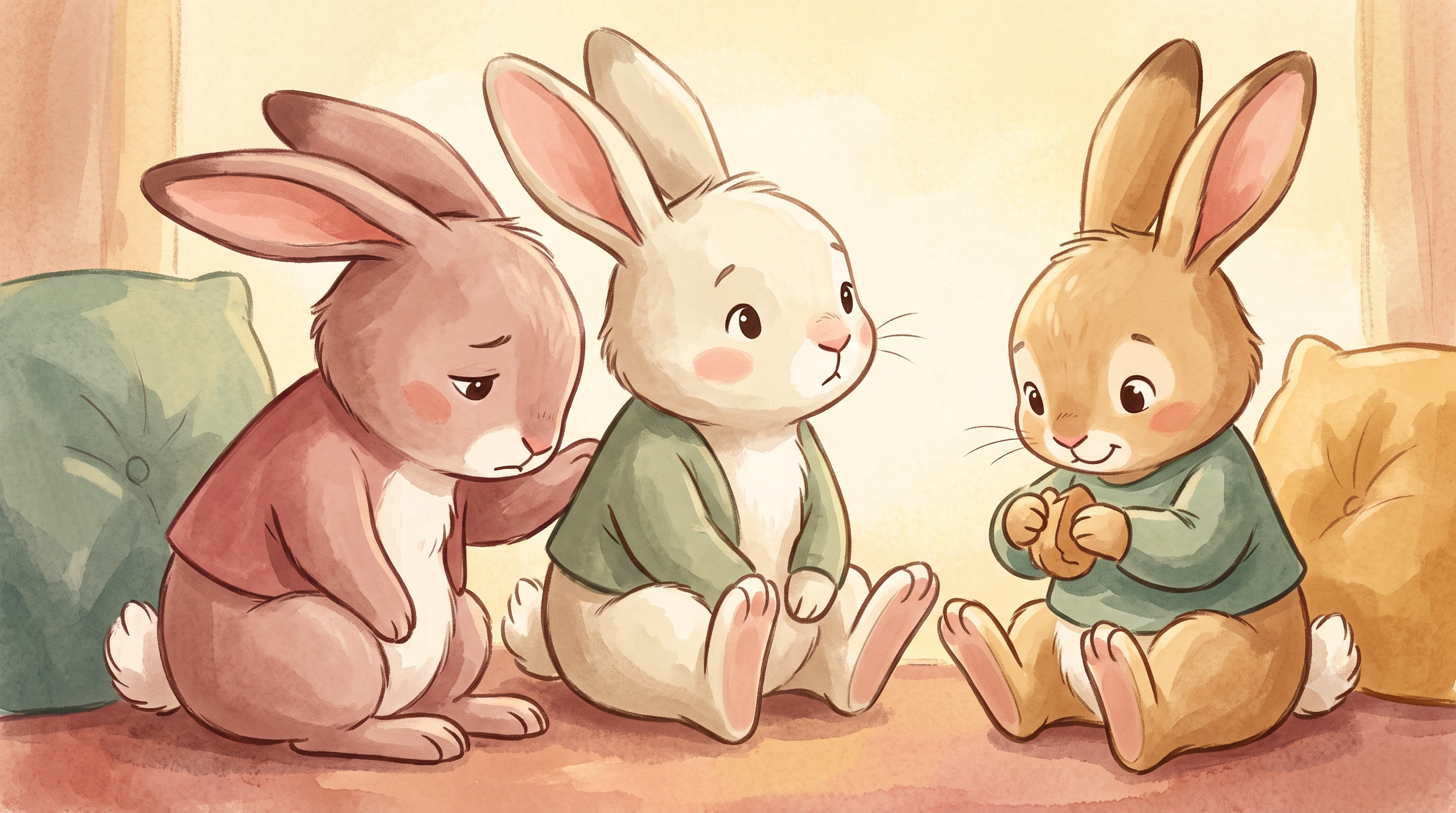
During reading — notice feelings. As you read, pause occasionally to wonder aloud about characters' emotions — both the person with dementia and the child in the story. "How do you think she's feeling right now? What about him?" Naming emotions builds the emotional vocabulary at the heart of SEL, and modeling curiosity about a character's inner world teaches children to look for it in real life.
After reading — connect and act. Bring it home with reflection and a small, concrete idea. "What's one kind thing the child in the story did? What's one kind thing we could do for someone who's having a hard time remembering?" Move from feeling to action — empathy that leads to a small act of kindness is empathy that sticks.
That's the whole framework: wonder before, notice during, connect after. It works with almost any thoughtful story.
Gentle ground rules for a sensitive topic
Because some children may have a loved one with dementia, a little care makes the experience safe for everyone:
- Keep it hopeful, not frightening. Frame dementia as something that happens to some people's brains, usually when they're older — not as something scary or contagious, and never anyone's fault.
- Make space for personal connections — gently. Some children may want to share about their own grandparent; let them, without pressure, and be ready for feelings to come up.
- Welcome questions, and it's okay not to have every answer. "That's a great question — let's think about it together" models that curiosity about others is always welcome.
- Reassure. Let children know that people with memory loss can still feel love and enjoy company, and that kindness always helps.
Why this belongs in SEL
Lessons like these map directly onto the core competencies educators already teach: social awareness (understanding and empathizing with others, including those different from us), relationship skills (kindness, patience, communication), and self-awareness (recognizing and naming emotions). A story about dementia is simply a particularly rich vehicle for all three — and it carries the bonus of building intergenerational understanding, helping children see older adults, and people who are struggling, with compassion rather than discomfort.
That's a lesson with a long reach. A child who learns to imagine what it's like to lose your memory, and to respond with patience instead of fear, is practicing the kind of empathy that will serve every relationship in their life.
If you'd like story suggestions, our roundup of children's books that gently explain memory loss and dementia is a good place to start, and our school partnership program can bring these conversations into your classroom or community.
Rosemary Rabbit helps families and educators talk about memory, dementia, and love with warmth and honesty. Explore our school partnerships and resources.
Frequently asked questions
How can teachers use story to teach empathy about dementia?+
Use a gentle read-aloud with a simple before/during/after framework: ask a wondering question before reading to spark perspective-taking, pause during reading to name characters' feelings, and connect afterward to a small act of kindness. No clinical expertise is needed.
Is dementia an appropriate topic for elementary social-emotional learning?+
Yes, when handled warmly. Many children already know someone with memory loss, and a hopeful, age-appropriate story builds social awareness, emotional vocabulary, and intergenerational understanding — all core SEL skills — while teaching compassion for people who are struggling.
How do I keep the topic from frightening young students?+
Frame dementia as something that happens to some brains, usually later in life, that isn't anyone's fault and can't be "caught." Keep the tone hopeful, reassure children that people with memory loss can still feel love, welcome questions, and let any personal sharing happen without pressure.