When Grandpa Seems Like a Different Person: Helping Kids With Personality Changes
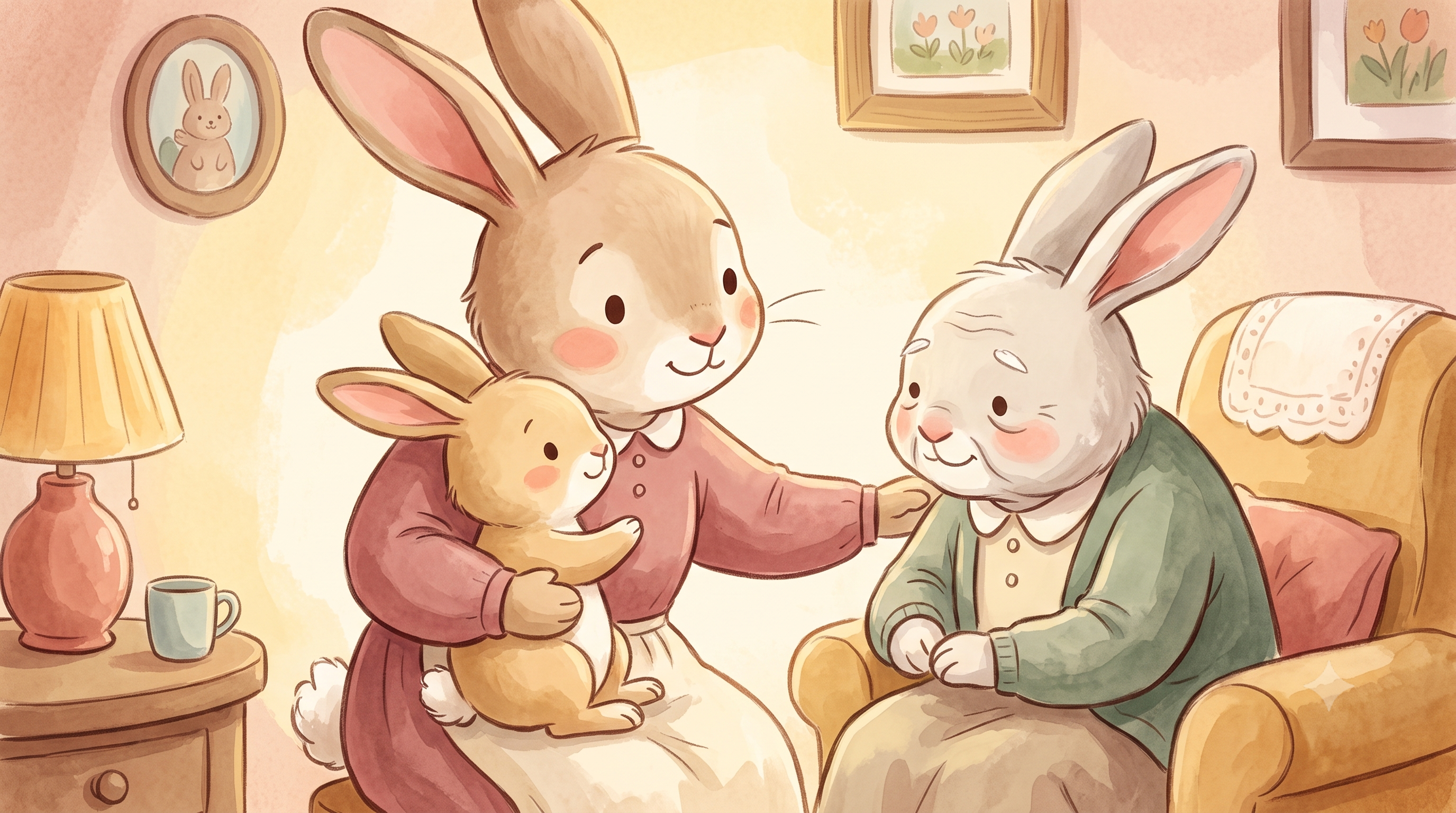
One of the hardest parts of dementia for a child isn't forgetting — it's when a warm, familiar grandparent starts to seem like a different person. A gentle grandma who becomes irritable, a patient grandpa who gets suspicious or says hurtful things, a lively relative who goes quiet and distant. For a child, this can be more confusing and painful than memory loss, because it feels personal. The key is helping them understand that the sickness is changing how their grandparent acts, but it hasn't changed who their grandparent really is — or how much they're loved. The person is still there, underneath a brain that's struggling.
One of the hardest parts of dementia for a child isn't forgetting — it's when a warm, familiar grandparent starts to seem like a different person. A gentle grandma who becomes irritable, a patient grandpa who gets suspicious or says hurtful things, a lively relative who goes quiet and distant. For a child, this can be more confusing and painful than memory loss, because it feels personal. The key is helping them understand that the sickness is changing how their grandparent acts, but it hasn't changed who their grandparent really is — or how much they're loved. The person is still there, underneath a brain that's struggling.
Why personality changes happen
It helps children (and adults) to understand that these changes come from the illness, not from choice. Dementia damages parts of the brain that control emotions, impulses, judgment, and behavior — so a person may lose their filter, misread situations, feel frightened or confused, and react in ways that aren't like them at all. Irritability, suspicion, saying blunt or hurtful things, anxiety, apathy, even aggression can all be symptoms of the disease, the same way memory loss is.
Some types of dementia affect personality especially early and strongly (as we describe in the types of dementia). But across the board, when a grandparent's personality shifts, it's the brain changing — not a decision, and never a reflection of how they feel about the child.
What to say to a child
The single most important idea to give a child is the separation of the person from the illness. In words that fit their age:
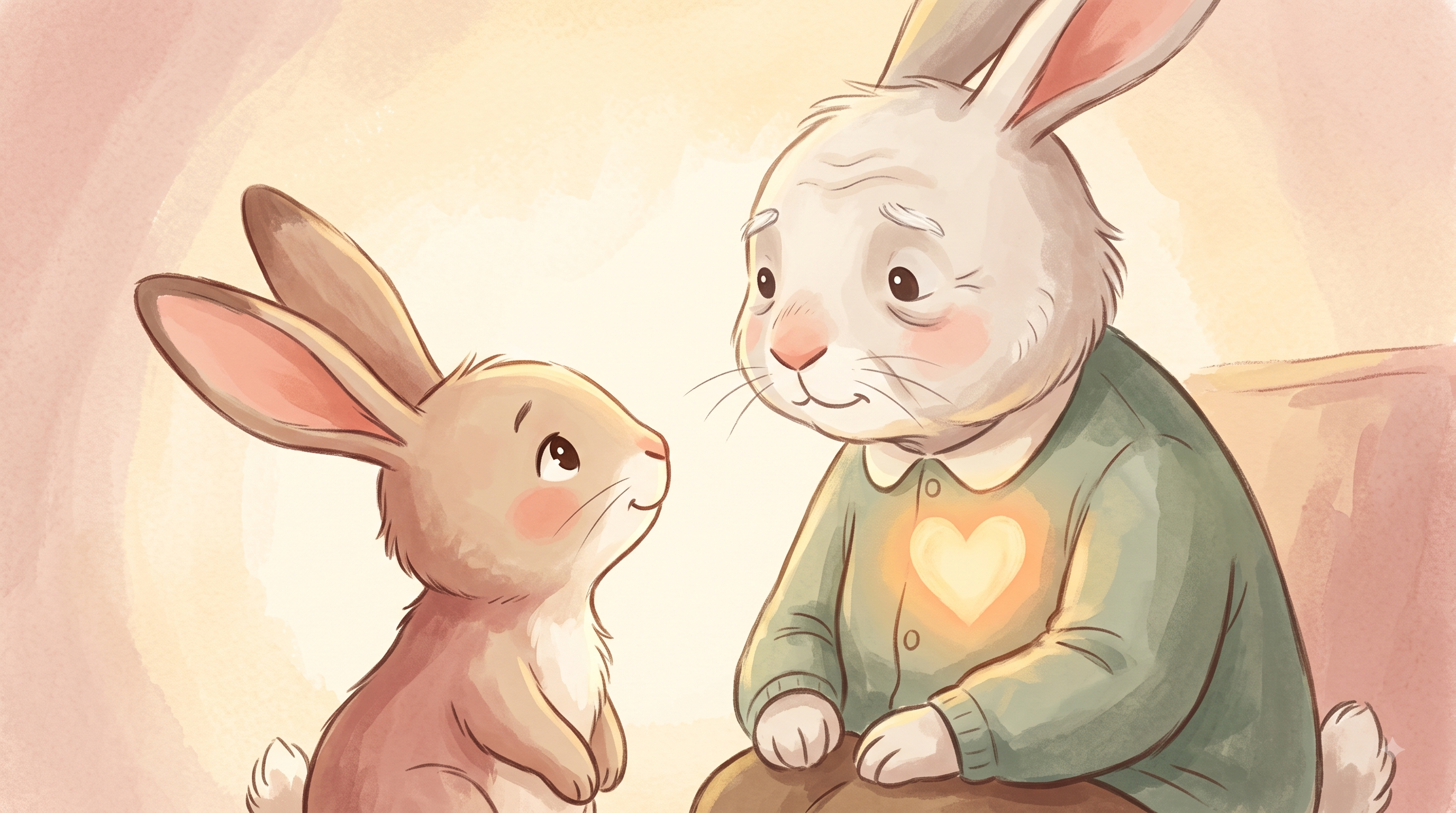
"The sickness in Grandpa's brain is changing the way he acts sometimes. That grumpy, mixed-up person isn't the real Grandpa — the real Grandpa is still in there, and he still loves you. The sickness is just making it hard for him to show it the way he used to."
If a grandparent says something hurtful, address it directly and gently: "That wasn't Grandma — that was her sickness talking. She would never mean that. Her brain got mixed up." Children can absorb this distinction remarkably well when it's offered clearly, and it protects them from taking the behavior to heart.
And always reconnect it to the two anchors: it's not your fault, and the love is still there, even when it's hard to see.
Helping with specific changes
Different changes call for slightly different reassurance:
- Irritability or anger: "The sickness can make Grandpa feel frustrated and confused, and sometimes that comes out grumpy. It's not about you." Give the child permission to step back when needed.
- Saying hurtful or blunt things: Name it as the illness, don't dwell on the content, and don't ask the child to argue or correct. Redirect to something calmer.
- Suspicion or accusations (a common, painful symptom): "Sometimes the sickness makes Grandma feel scared or think things that aren't true. It's not real, and it's not your fault."
- Going quiet, flat, or distant (apathy): This can hurt a child who misses the old warmth. "The sickness makes it hard for Grandpa to show his feelings right now, but he still feels them. Sitting with him quietly is still a gift."
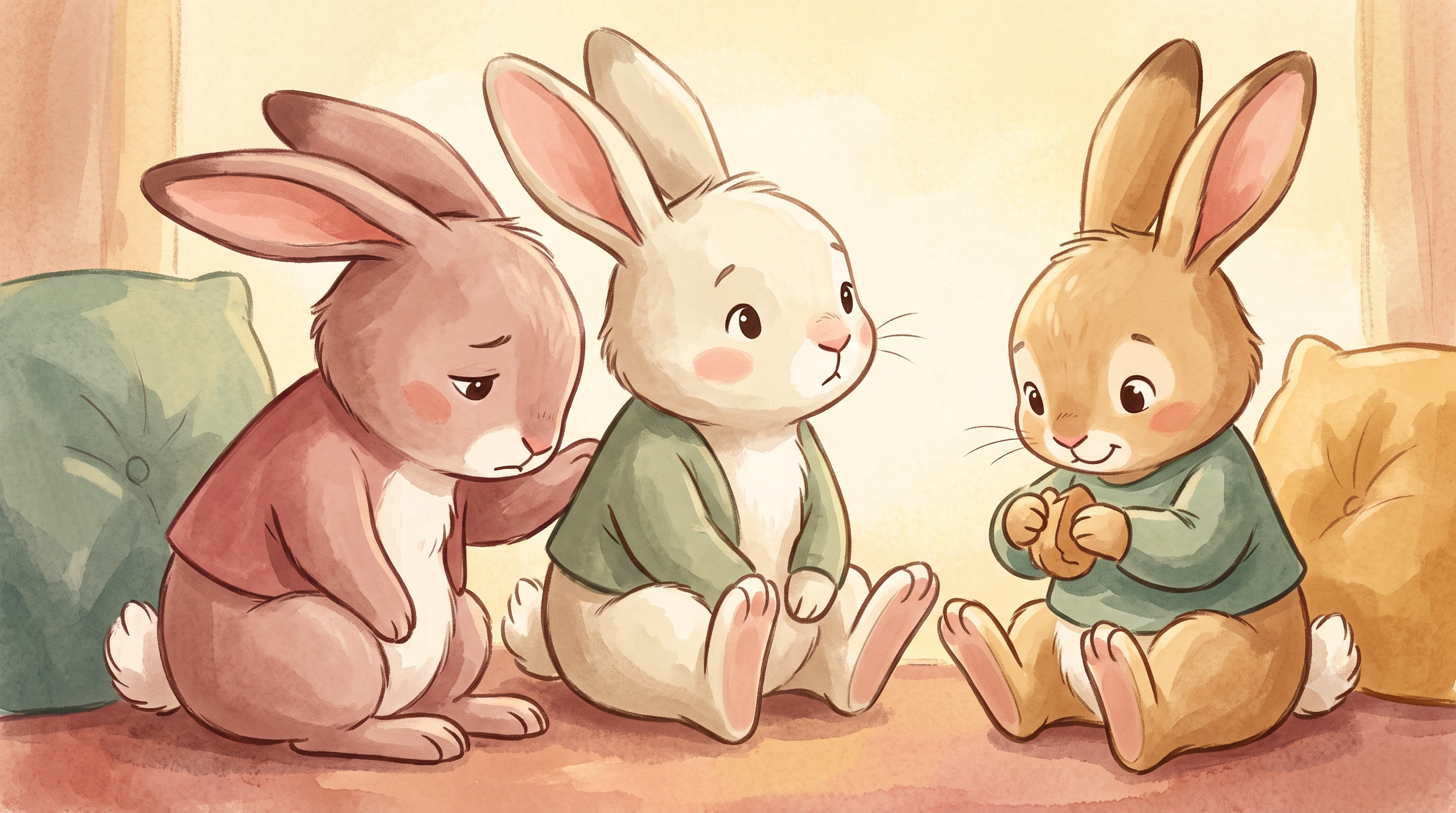
- Not acting like themselves in front of friends: Older children can feel embarrassed. Acknowledge it honestly — "It's okay to feel embarrassed; that doesn't make you a bad grandchild" — and let them set some boundaries.
Keeping children safe — emotionally and physically
A few gentle guardrails:
- It's okay to protect a child from the hardest moments. If a grandparent becomes very agitated or says something frightening, it's fine to gently remove the child from the situation. They don't have to witness everything.
- Never force affection. A child who's wary of a grandparent who's become unpredictable shouldn't be made to hug or sit close. Let them keep their comfort and their distance.
- Don't make a child responsible for managing an adult's behavior. They can be kind; they shouldn't be a caregiver or a calming service.
- Watch for the emotional toll. If a child seems persistently upset, withdrawn, or anxious about it, that's worth gentle attention and, if it continues, a conversation with a counselor.
Holding onto who they are
Amid the changes, help your child hold onto the real grandparent — the one the illness is obscuring, not erasing. Look at old photos and tell stories of who Grandpa was and is. Notice and treasure the good moments that still break through: a smile, a laugh, a flash of the old warmth, a squeeze of the hand. These moments are real, and they remind a child that the person they love is still there.
It also helps to name the grief gently. It's genuinely sad to watch someone you love change, and children feel that loss even when the person is still alive. Letting a child say "I miss the old Grandma" — and hearing "me too; it's okay to miss her" — honors something true and helps them carry it.
When a grandparent's personality changes, what a child most needs is a way to understand it that doesn't cost them the love. The sickness is changing how they act, but the real person, and the real love, is still there. Hold that line gently and often, and you give your child something precious: the ability to keep loving a grandparent through changes that would otherwise be too confusing to bear.
For the foundational conversation, see how to explain dementia to a child.
Frequently asked questions
Why does dementia change a person's personality?+
Dementia damages parts of the brain that control emotions, impulses, judgment, and behavior. This can cause irritability, suspicion, blunt or hurtful comments, anxiety, or apathy — all symptoms of the illness, not deliberate choices or a reflection of how the person feels about their family.
How do I explain a grandparent's personality changes to my child?+
Separate the person from the illness: explain that the sickness is changing how Grandpa acts, but the real Grandpa — and his love — is still there underneath. If he says something hurtful, name it clearly as "the sickness talking," and reassure the child it isn't their fault.
What if my grandparent says hurtful things to my child?+
Address it gently and directly, framing it as a symptom: "That was the sickness, not the real Grandma — she would never mean that." Don't ask the child to argue or correct, protect them from the worst moments, and never force affection toward a grandparent who has become unpredictable.