A Father's Day for Changing Memories: Helping Kids Celebrate Grandpa
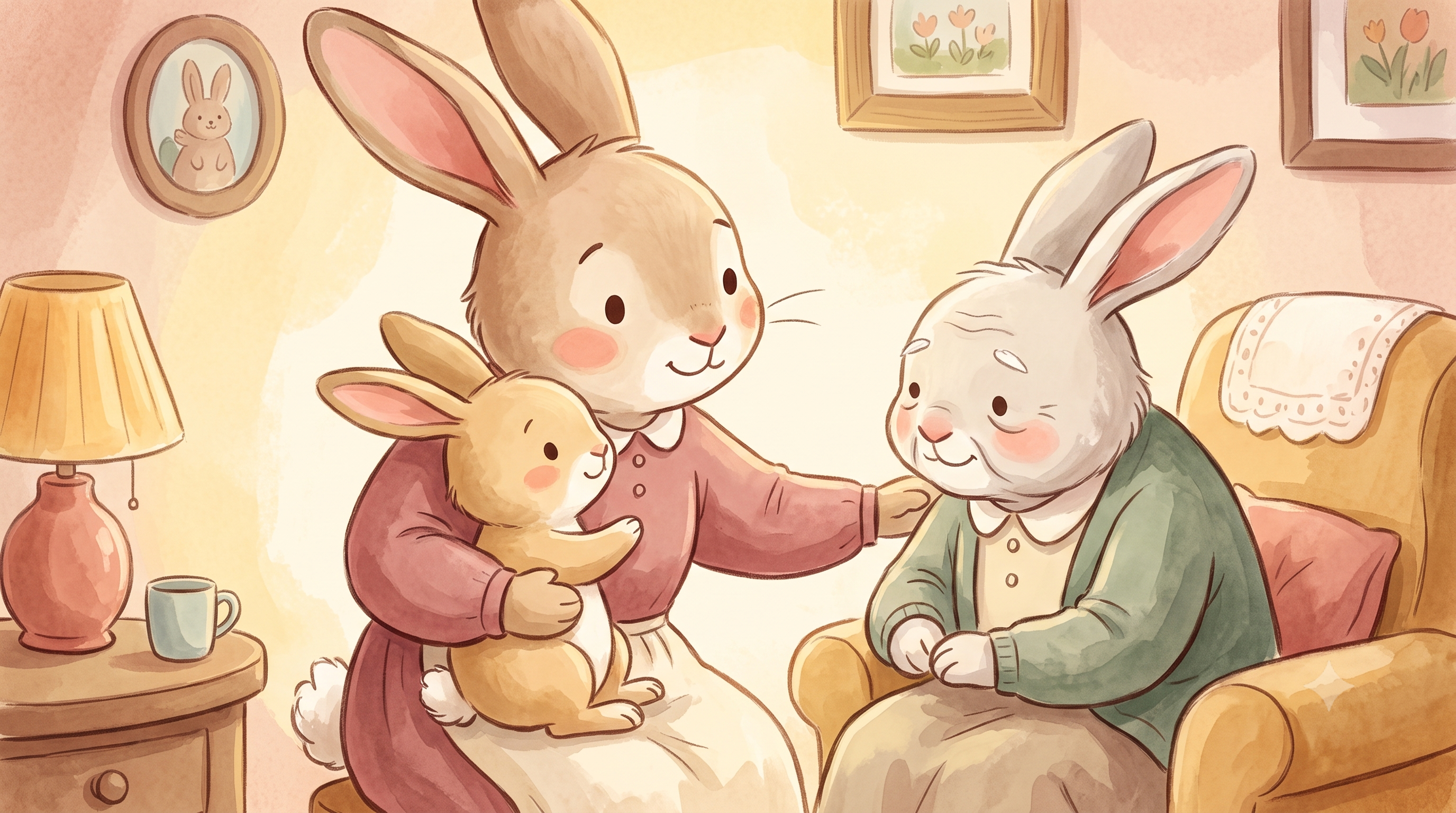
When a father or grandfather is living with dementia, Father's Day can feel bittersweet — but it can still be tender, joyful, and deeply connecting if you let go of the big-celebration script and lean into small, sensory moments instead.
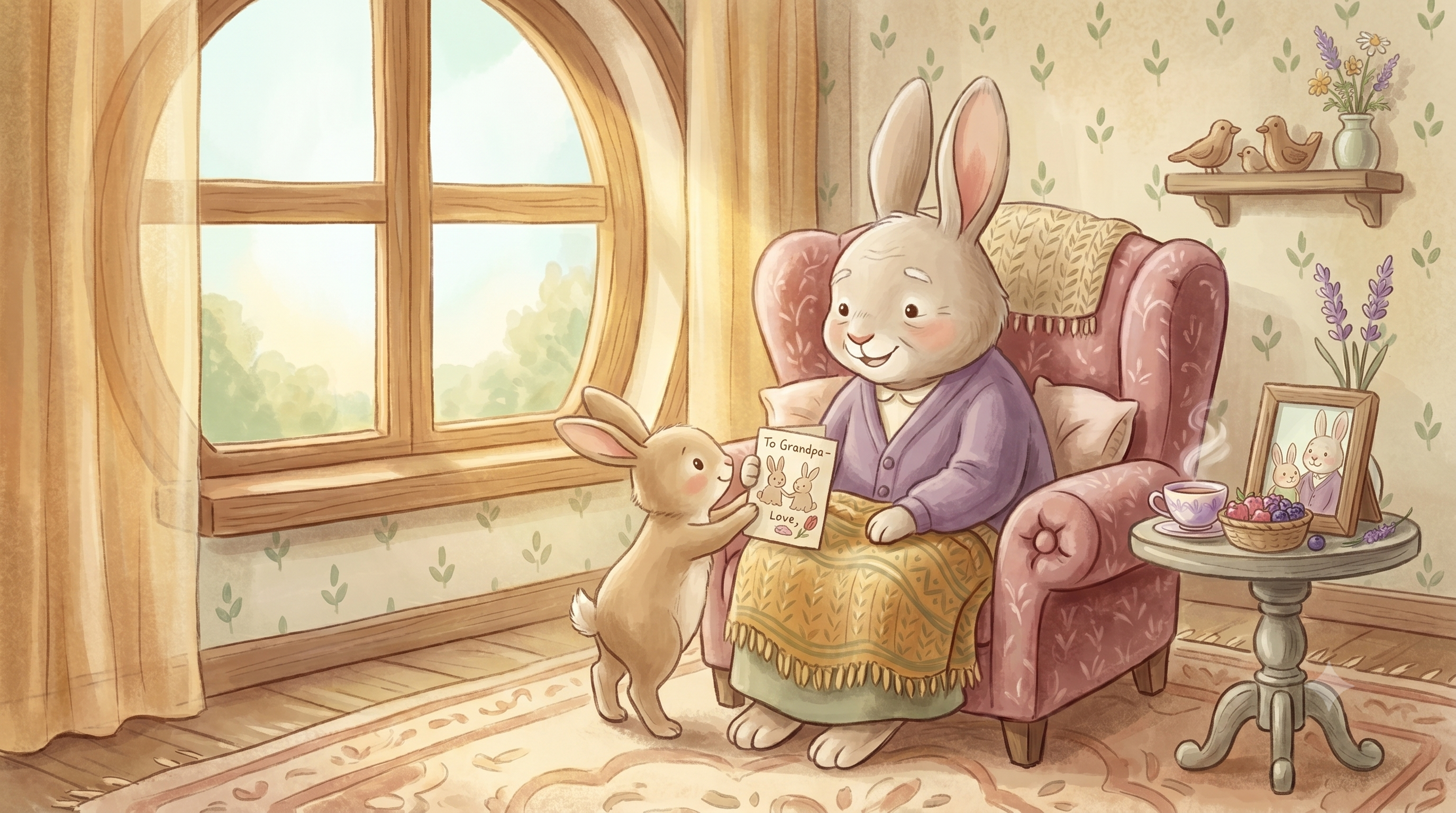
When a father or grandfather is living with dementia, Father's Day can feel bittersweet — but it can still be tender, joyful, and deeply connecting if you let go of the big-celebration script and lean into small, sensory moments instead. The most meaningful Father's Day for a grandpa whose memory is changing isn't a busy party he may find overwhelming; it's a familiar song, a favorite treat, a quiet hand to hold, and a child's simple presence. Celebrate the connection that's still there, in whatever form it takes, and that's more than enough.
This Sunday, here are gentle ways to help your child mark the day with a grandpa they love.
Why Father's Day can feel complicated
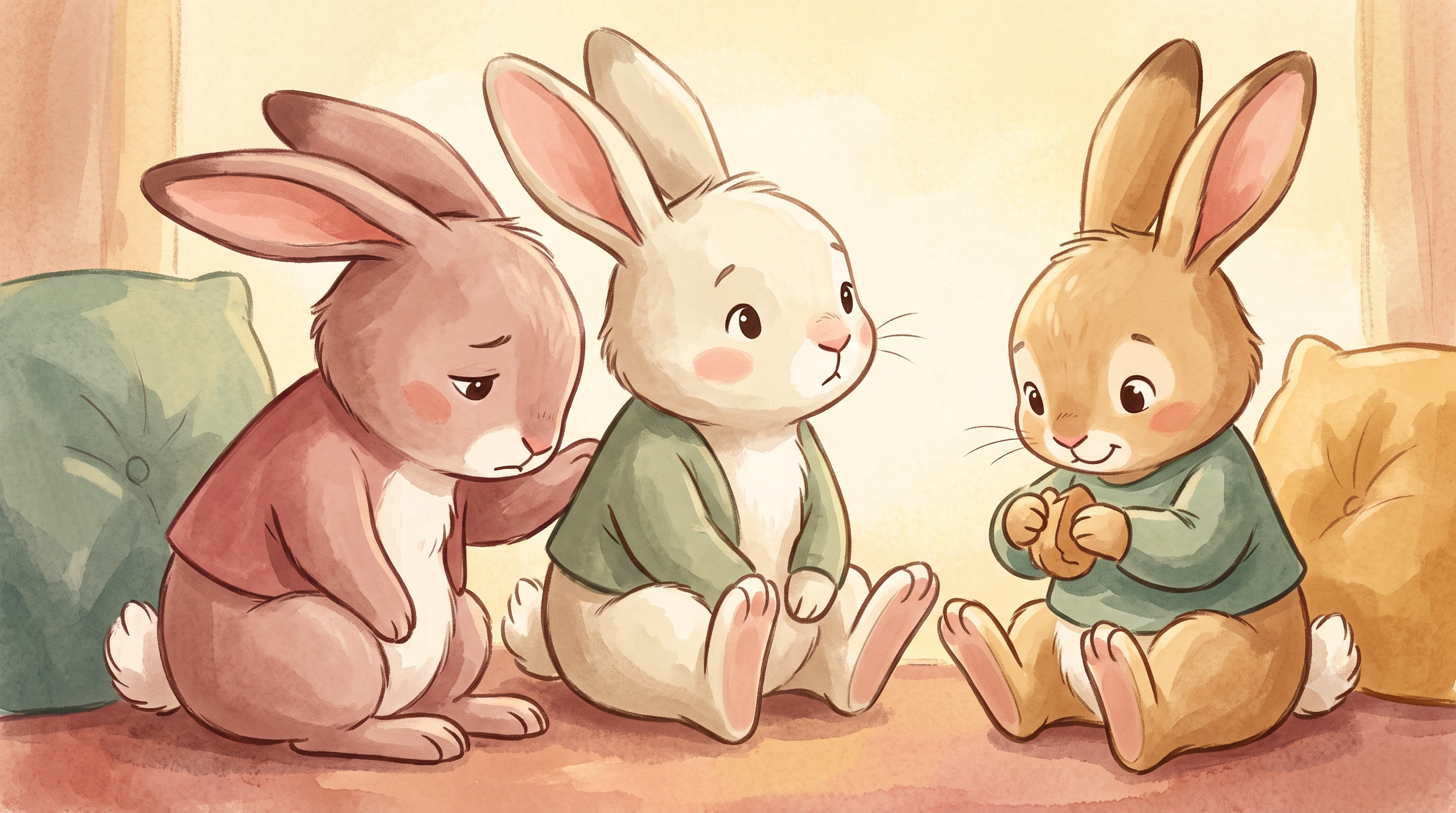
Holidays have a way of sharpening what's changed. Father's Day may stir up grief for the grandpa he used to be, worry about how he'll respond, or sadness that he may not understand the occasion. Children feel this too, in their own way — they may be confused about why Grandpa seems different on a "happy" day, or unsure how to act.
Naming that gently, for yourself and your child, takes the pressure off. You don't have to manufacture a perfect celebration or pretend nothing has changed. You're simply spending loving time with Grandpa on a day set aside for exactly that. Lowering the bar is often what lets the real moments in.
Keep it simple and sensory
For someone with dementia, the richest connection usually comes through the senses, not through conversation or remembering what day it is. A few gentle ideas children can be part of:
- Bring his favorite music. An old song he loves can reach him when words can't, and children love being the one to press play. Don't be surprised if it brings a smile, a tapping foot, or happy tears.
- Share a favorite food or treat. A familiar taste — a particular dessert, a cup of coffee made the old way — can be a small, sweet anchor. (Check with caregivers about any dietary needs.)
- Make something with the hands. A simple drawing, a handprint card, a few decorated cookies. The making is the gift, and a child delivering it is the heart of it.
- Look at old photos together. Long-ago memories are often easier to reach than recent ones. A photo of Grandpa as a young dad may open a warm story — or simply a smile.
- Just be near. Sitting close, holding hands, a gentle hug, a quiet "I love you, Grandpa." Presence is its own gift, and children give it beautifully.
The aim isn't to stage an event. It's to offer a handful of warm, sensory moments and let the day be soft.
Helping your child if it feels strange
Your child may notice that Grandpa doesn't react the way they hoped — that he's quiet, confused, or doesn't seem to understand it's Father's Day. Prepare them gently beforehand: "Grandpa might not remember it's Father's Day, and that's okay. We're not here for him to remember — we're here to love him."
That reframing is a gift to a child: it lifts the weight of needing a particular response and lets them simply give love freely. And it carries a lesson worth keeping — that we love people for who they are, not for what they can give back. (If your child struggles when Grandpa doesn't recognize them, when a grandparent forgets your child's name offers gentle words to help.)
Afterward, leave room for feelings. Some children bounce away unbothered; others feel a quiet sadness. Both are okay. A simple "how did it feel to see Grandpa today?" lets them share whatever's there.
A gentle word for the grown-ups
This day can be heaviest for you — perhaps you're celebrating your own father, or your child's, while grieving the version of him that dementia has changed. Both feelings can be true at once: gratitude for who he is today, and sorrow for what's been lost. You're allowed to hold both. Caring for your own heart isn't separate from helping your child through the day; it's part of it.
However your family marks it, the heart of a dementia-aware Father's Day is the same as it's always been: showing a beloved dad or grandpa that he is loved. Memory may change what the day looks like. It doesn't change what it's for. A song, a treat, a small hand in his, and the simple message — we love you, and we're here — is a Father's Day worth having.
For more ways to share time together when memory is changing, see our guide on visiting a grandparent in memory care.
Frequently asked questions
How can children celebrate Father's Day with a grandpa who has dementia? Keep it simple and sensory: bring his favorite music, share a beloved treat, make a handmade card, look at old photos, and spend quiet time close to him. Connection through the senses matters more than whether he remembers the occasion.
What if Grandpa doesn't remember it's Father's Day? That's okay, and worth gently explaining to children beforehand: the visit isn't about him remembering, it's about sharing love. Reframing it this way frees a child to give affection without needing a particular response in return.
How do I prepare my child for a tender Father's Day visit? Let them know in advance that Grandpa may seem quiet, confused, or may not understand the day, and that none of it means he doesn't love them. Give them a simple, meaningful role — a song to play or a card to deliver — and leave space afterward to talk about their feelings.
Rosemary Rabbit helps families talk about memory, dementia, and love with warmth and honesty. Explore the book and join our community.