Love Without Words: Staying Connected in Later-Stage Dementia
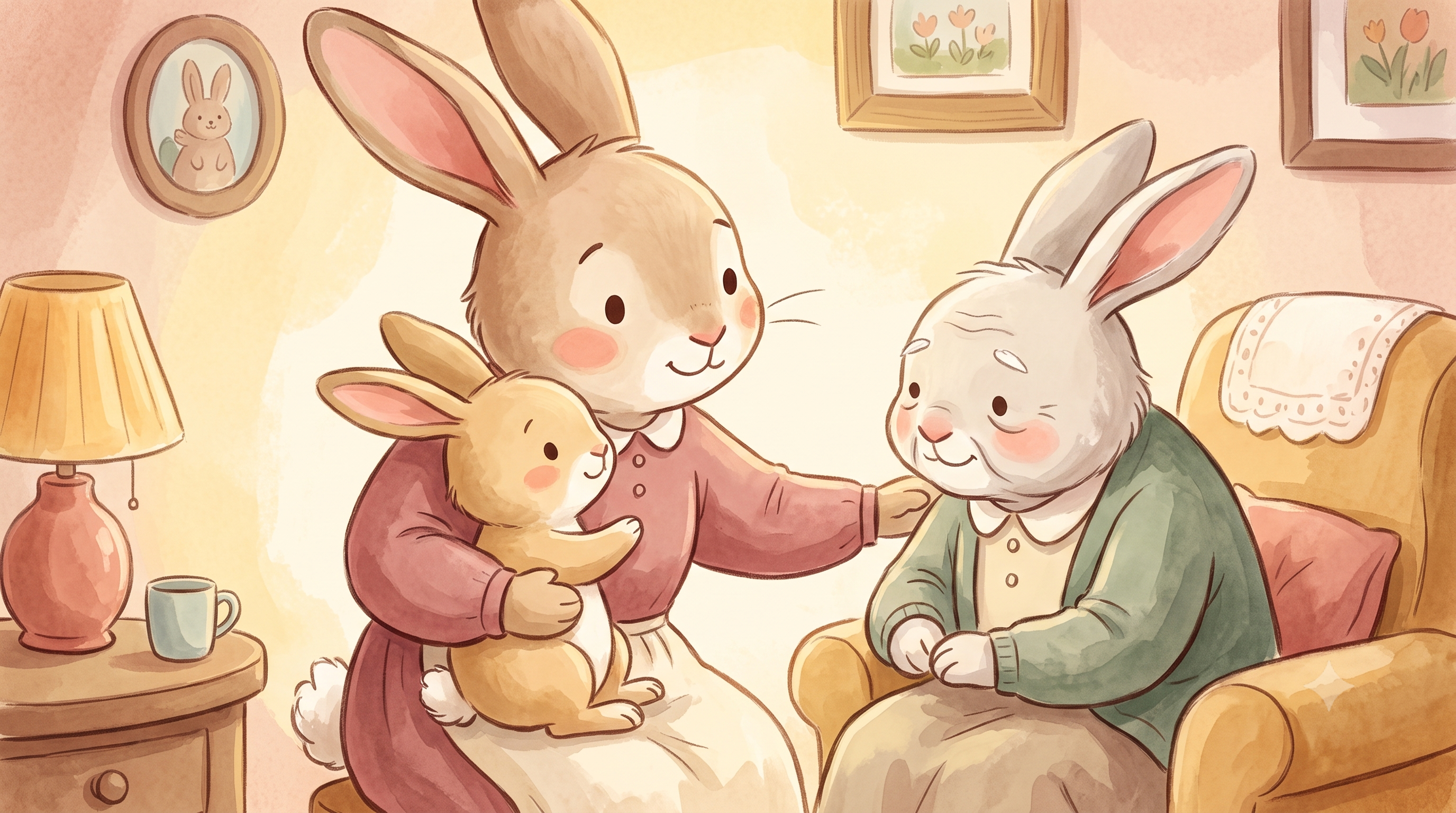
Children can stay connected with a grandparent in later-stage dementia through the senses rather than conversation. Holding hands, singing a familiar song, reading aloud, brushing hair or simply sitting close all show love. Prepare your child for changes they will see, keep visits short and calm, and remind them that their presence still matters.

Children can stay connected with a grandparent in later-stage dementia through the senses rather than conversation. Holding hands, singing a familiar song, reading aloud, brushing hair or simply sitting close all show love. Prepare your child for changes they will see, keep visits short and calm, and remind them that their presence still matters.
What changes might my child notice?
In the later stages of dementia, a person usually needs help with most daily things. According to the National Institute on Aging and the Alzheimer's Association, people in this stage may lose much of their ability to speak, may sleep a lot, and may need help eating, moving and staying comfortable.
For a child, this can be hard to see. Grandpa may not look at them, may not talk, or may make sounds instead of words. He may be in bed or a special chair. There may be medical equipment nearby.
Explaining these things ahead of time helps a lot:
"Grandpa's sickness has made his body and brain very tired. He doesn't talk much anymore, and he sleeps a lot. He might not look at us or say our names. That's because of the sickness. It doesn't mean he doesn't love us."
You might also describe the room:
"He'll be in his bed, and there might be a special pillow or a machine that helps him. The helpers make sure he's comfy."
If your child is anxious, our earlier article on helping a child who is scared to visit offers more ideas.
How can kids connect without words?
When words fade, the senses become the bridge. Many families find that a grandparent still responds in small ways to familiar sounds, gentle touch and calm company.
Simple ways children can connect:
Way to connect / What a child can do:
- Touch — Hold hands, stroke an arm, rub in a little hand lotion.
- Music — Hum or sing a song Grandma liked, or play it softly.
- Voice — Read a short story aloud or tell her about their day.
- Sight — Show a drawing or a family photo up close.
- Smell — Bring a familiar scent, like a flower from the garden.
- Presence — Sit nearby and draw, color or just rest together.
Always check with care staff first about what is safe and comfortable, especially for touch, lotion or food.
You can invite your child gently:
"Do you want to hold Grandma's hand? You can be very gentle. She might feel how much you love her."
"Let's sing the song she used to sing to you. Even if she can't sing along, she might like hearing it."
Our article on music, kids and dementia has more ideas for using songs together.
What should a visit look like?
In later stages, shorter is usually better. Ten or fifteen minutes can be plenty. Plan one simple activity and let the rest be quiet.
A gentle visit plan:
- Say hello softly. Sit at eye level, say Grandma's name and your child's name.
- One activity. A song, a story, or hand-holding.
- Notice together. Point out small responses.
- Say goodbye kindly. A kiss, a wave or "We love you."
Help your child notice small signs of connection:
"Did you see that? Her hand moved when you sang. I think she liked it."
"Look how calm her face is now. I think she knows you're here."
Some days, there may be no visible response at all. Prepare your child for that:
"Some days Grandma might stay asleep or not seem to notice us. That's okay. Our being here still matters."
How do I help my child with their feelings?
Later-stage dementia can stir up sadness, confusion and sometimes fear. Children may also feel bored, restless or unsure what to do, which can lead to guilt.
Let your child know all feelings are welcome:
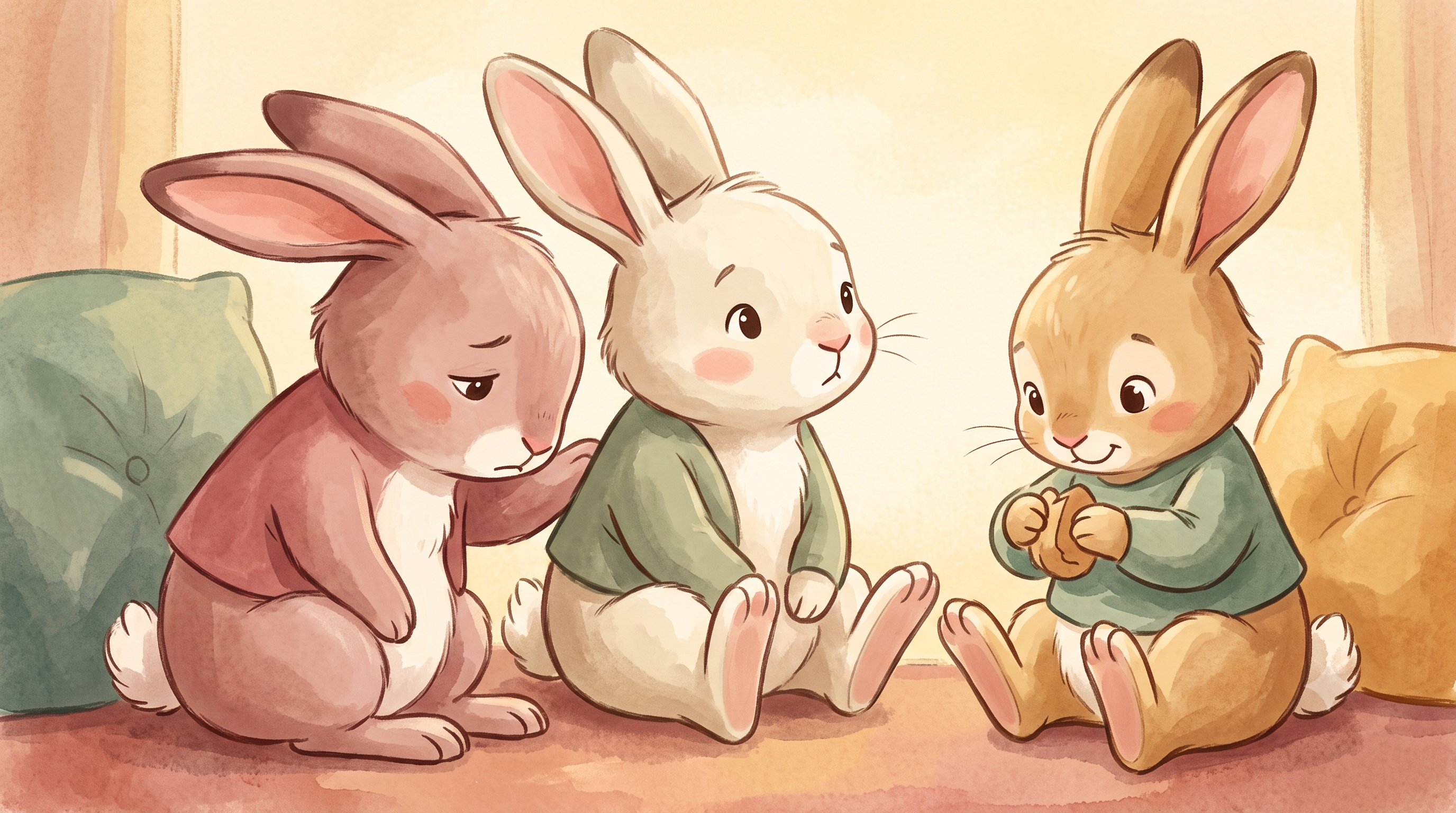
"It's okay to feel sad when you see Grandpa like this. I feel sad too. We can feel sad and still be glad we came."
If your child does not want to go in, offer other ways to show love:
"That's okay. Would you like to make a picture for me to take to him? I'll tell him it's from you."
After visits, give children a chance to talk, play or rest. A walk, a snack or a quiet cuddle can help them settle. Our earlier article on big feelings has more scripts for sadness, frustration and embarrassment.
How can we prepare for what comes next?
Later-stage dementia often means a family is moving toward the end of a grandparent's life. You do not need to share this all at once. But gently planting the idea can help children later.
"Grandma's body is getting very weak. One day, her body will stop working, and she will die. That may not be for a while, and whatever happens, we'll get through it together. For now, we can keep showing her love."
Older children may want to ask more. Answer honestly and simply, and keep the door open.
This is also a good time to gather memories. Your child might add to a memory book, record a message or choose a favorite photo to keep. These small acts can become a lasting comfort.
Frequently asked questions
Is it okay for young children to visit someone in late-stage dementia?+
Yes, many children can visit with good preparation and a short, calm plan. If your child is very anxious, start with a drawing or a video message instead.
Does Grandma know my child is there?+
It is hard to know for sure. Many families notice small responses to familiar voices and touch, so it is worth assuming your child's presence may bring comfort.
What if my child gets bored during visits?+
That is normal. Bring a quiet activity like coloring, and let them sit nearby. Calm company still counts.
Should I bring my child if Grandma is very near the end of life?+
It depends on your child and your family. Ask care staff what to expect, explain it simply, and let older children have a say.