How Do You Explain Dementia to a Child?
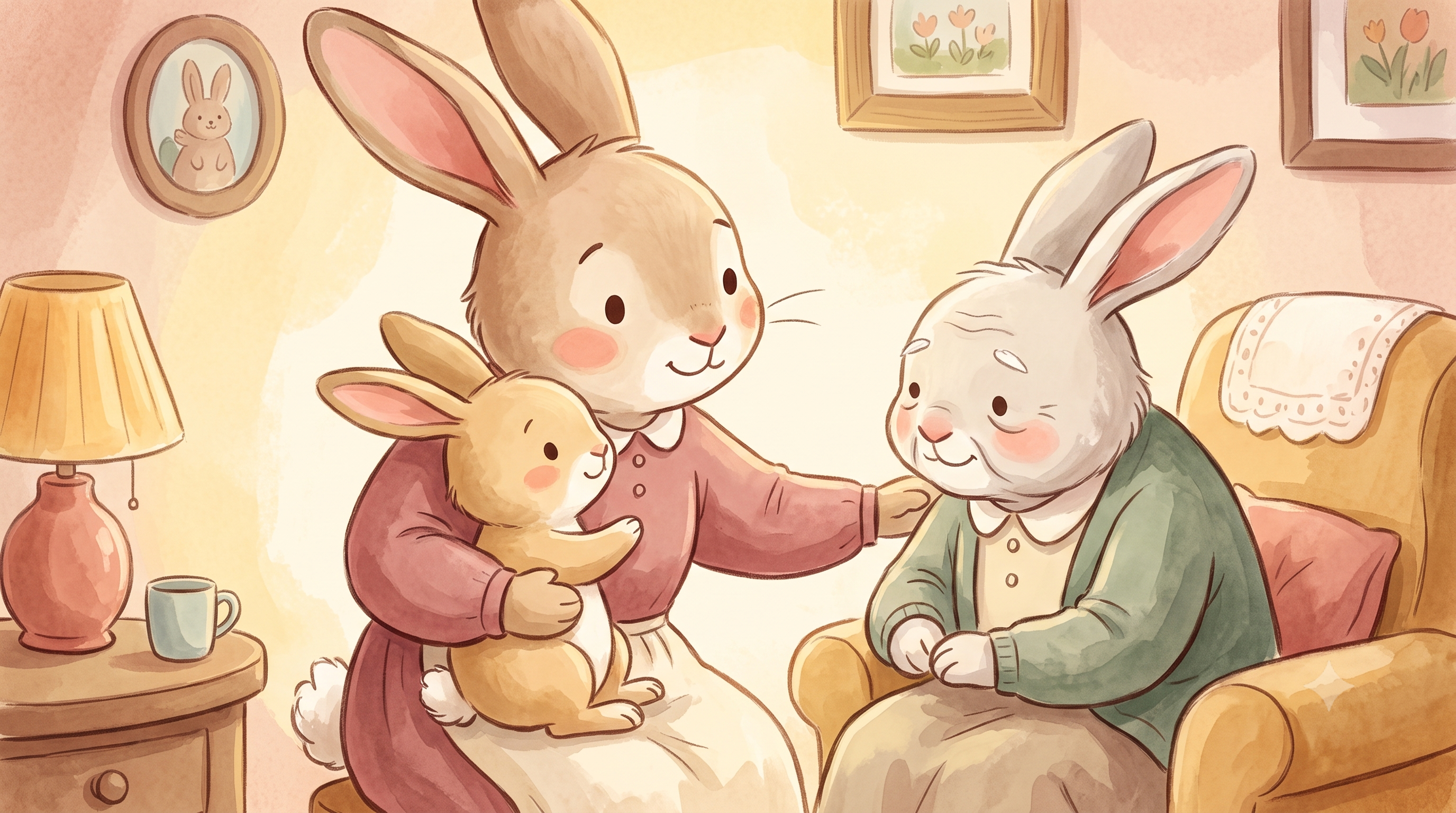
The simplest way to explain dementia to a child is to be honest, gentle, and concrete: a person's brain is getting sick in a way that makes it hard to remember things and sometimes makes them act differently — but it isn't anyone's fault, it isn't catching, and the love between them doesn't go away.
The simplest way to explain dementia to a child is to be honest, gentle, and concrete: a person's brain is getting sick in a way that makes it hard to remember things and sometimes makes them act differently — but it isn't anyone's fault, it isn't catching, and the love between them doesn't go away. From there, how much you say depends on the child's age. Younger children need a few reassuring sentences; older children can handle more of the "why." What every child needs most is the same: honesty they can trust, and the freedom to ask questions as they come.
If you're navigating this in your family right now, take a breath. You don't have to explain everything at once, and you don't have to get it perfect. You just have to be a safe place to ask.
Why it helps to explain, rather than avoid
It's tempting to protect children by saying nothing — to hope they won't notice that Grandma repeats herself, or that Grandpa called them by the wrong name. But children almost always sense when something has changed, and silence tends to leave them inventing explanations that are scarier or more self-blaming than the truth. A child who isn't told why a grandparent is acting differently may quietly conclude that the grandparent doesn't love them anymore, or that they did something wrong.
A gentle, honest explanation does the opposite. It gives the change a name, removes the blame, and tells the child what stays the same. That's the foundation everything else is built on.
What words should you use?
Match your language to the child's age — not by hiding the truth, but by choosing how much of it to share.
Toddlers and very young children (roughly 2–4). Keep it simple and feelings-focused. Something like: "Grandpa's brain works differently now, so sometimes he forgets things. He still loves you so much." At this age, children care less about the medical "why" and more about whether everyone is okay and whether they are still loved. Repetition and reassurance matter more than detail.
Young children (roughly 5–8). You can add a little more. "There's a sickness called dementia that happens in some people's brains, usually when they're older. It makes it hard to remember things, and sometimes it makes them feel confused or grumpy. It's not because of anything you did, and you can't catch it like a cold." Children this age often want to know if they caused it, if it will happen to you, and whether they can still hug or visit. Answer those plainly: no, very unlikely, and yes.
Older children and tweens (roughly 9–12). Here you can be more complete and invite real conversation. You might explain that dementia is caused by changes in the brain, that it tends to get harder over time, and that while there's no cure yet, there are ways to help the person feel safe and comfortable. Older kids may want to do something — help with a visit, make a memory book, learn more. Let them. A sense of agency is comforting at this age.
Across every age, two ideas should always travel together: it's not anyone's fault, and the love is still there even when the memory isn't.
How do you answer the hard questions?
Children ask the questions adults are afraid to. A few that come up again and again:
"Will Grandma forget me?" Honesty with reassurance: "She might forget your name sometimes, or get a little mixed up. But the feeling of loving you doesn't live in the part of the brain that's sick — that part stays."
"Is it my fault?" Always a clear no. Children are wired to wonder if they caused things, and they need to hear, directly, that they did not.
"Will it happen to you? Will it happen to me?" Be truthful and calming: most people don't get dementia, it usually happens much later in life, and doctors are learning more all the time about how to lower the chances.
"Why is Grandpa angry/sad/different?" Name it as part of the illness, not the person: "The sickness can make him feel confused or frustrated, and that can come out as crankiness. It's not about you."
You won't always have a tidy answer, and that's okay. "I'm not sure, but we can find out together" is a perfectly good response — and it models that hard questions are welcome.
What if the child gets upset?
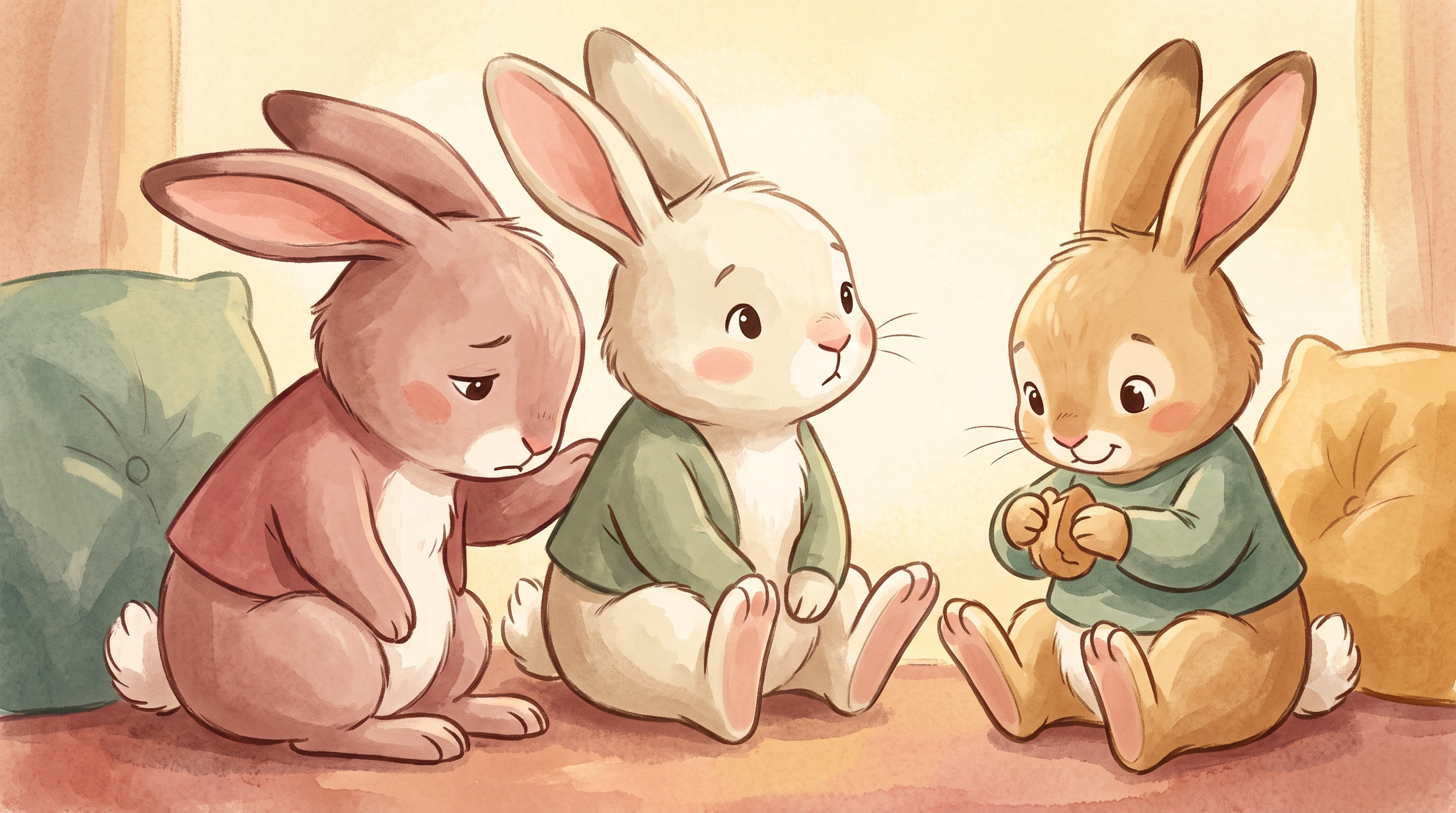
Big feelings are not a sign you did it wrong. Sadness, anger, confusion, even giggling or seeming indifferent — children process in their own ways and on their own timelines. Let the feelings be there without rushing to fix them. Naming emotions helps: "It's okay to feel sad that Grandma is different. I feel sad sometimes too." Knowing that the adults around them can hold those feelings makes the world feel safe again.
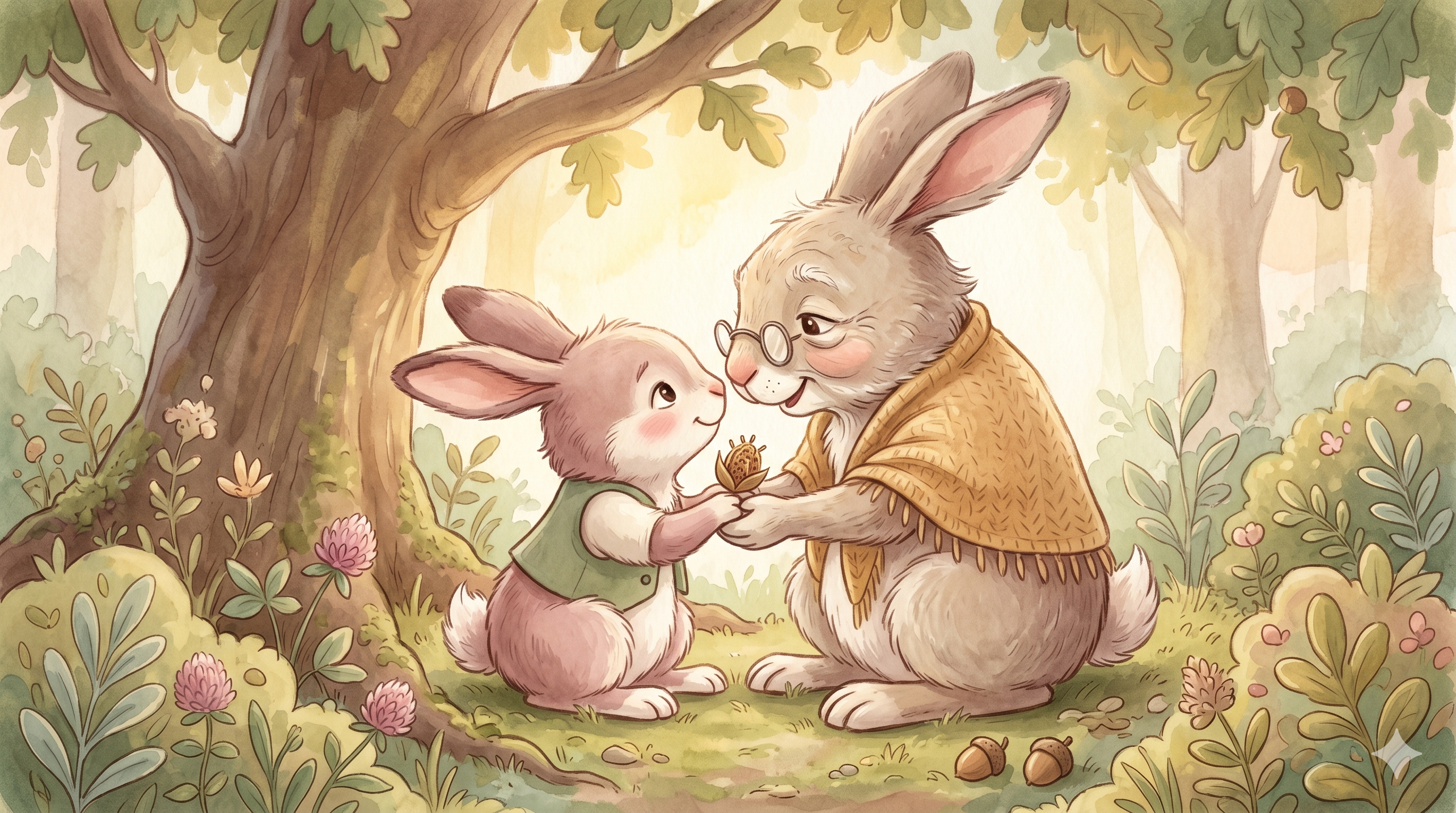
Sometimes a story carries what a conversation can't. Reading together about a character facing the same thing gives children a gentle, low-pressure way to recognize their own feelings and ask their own questions. (That's exactly why we wrote Rosemary Rabbit and Grandpa Hopper — to open the conversation, softly, with a hand to hold.)
A few gentle reminders
- You don't have to explain everything in one sitting. This is an ongoing conversation that grows with your child.
- Follow the child's lead. Answer what they ask; you don't have to volunteer more than they're ready for.
- Keep coming back to what stays the same — the love, the family, the fact that they're safe.
- Take care of yourself, too. Children borrow their sense of safety from the adults around them, and you're carrying a lot.
Explaining dementia to a child isn't about finding the perfect words. It's about being honest, staying gentle, and making sure they know two things for certain: none of this is their fault, and they are loved exactly as much as ever.
If you'd like to understand more about what's happening in the brain behind these changes, our friends at Brain Meets Bytes have a clear, gentle overview in What Really Happens to Memory as We Age.
Frequently asked questions
At what age can you explain dementia to a child? Even toddlers can understand a simple, reassuring version ("Grandpa's brain works differently now, but he still loves you"). The amount of detail grows with the child — but honesty and reassurance are appropriate at every age.
Should you use the word "dementia" with children? Yes, with most children over about five. Giving the illness a real name helps children make sense of what they're seeing and reassures them that adults understand it too. For toddlers, the feeling and the reassurance matter more than the term.
What should you not say to a child about dementia? Avoid implying it's anyone's fault, that the person is "being mean" on purpose, or that the child caused or can catch it. Avoid false promises ("Grandma will get better"), and try not to dismiss the child's feelings.
Rosemary Rabbit helps families open gentle conversations about memory, dementia, and love. Explore the book and join our community of parents and caregivers walking a similar path.