Halloween With a Grandparent Who Has Dementia: A Family Guide
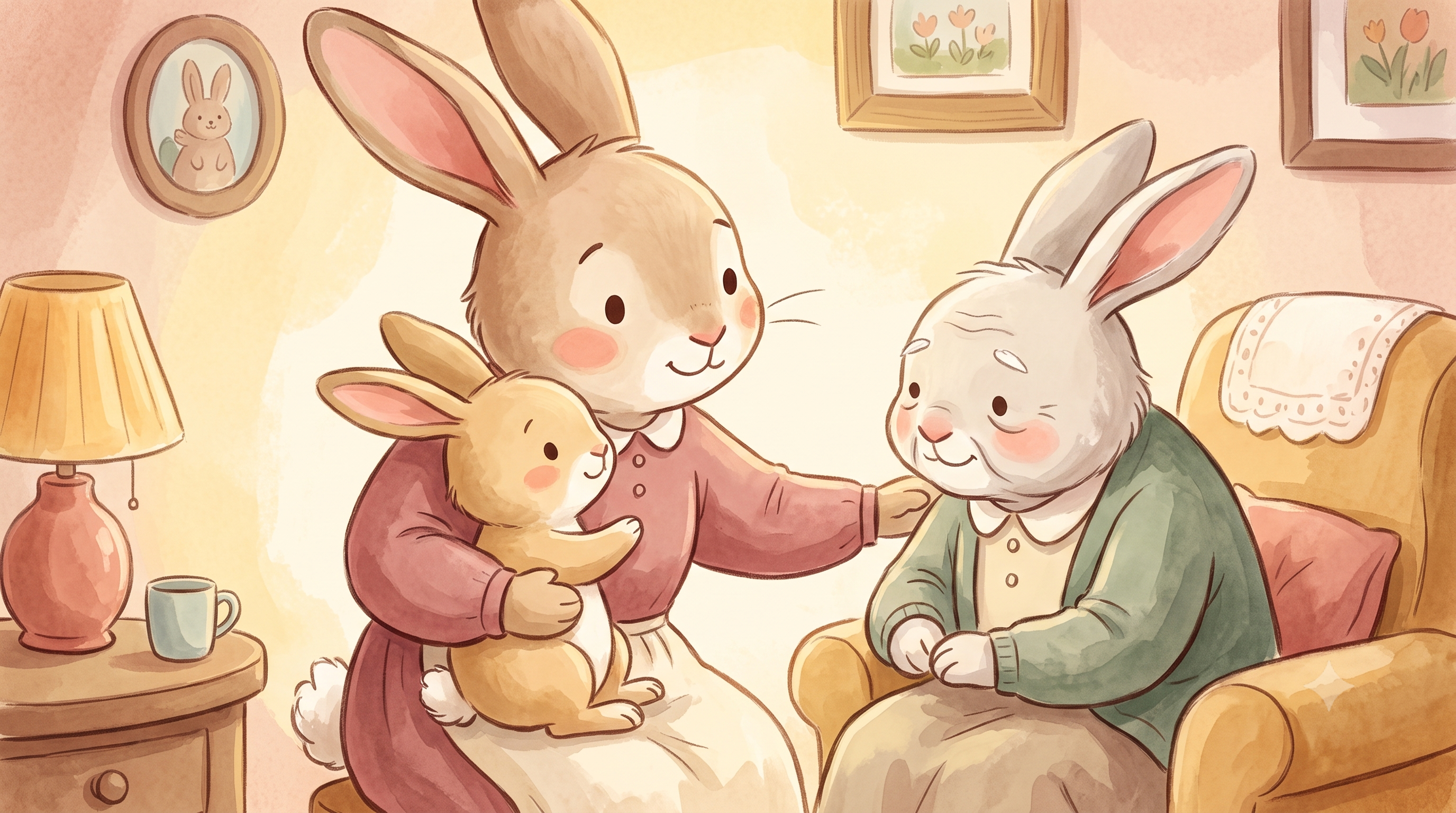
Halloween is a kid's holiday through and through. Costumes, candy, the doorbell going every four minutes. For a grandparent living with dementia, the same night can be a lot: familiar faces hidden behind masks, a skeleton that screams when you walk past it, strangers shouting at the door after dark. None of that means Halloween has to be cancelled. It means it needs a little planning, and kids are often the best people to help with that planning.
Halloween is a kid's holiday through and through. Costumes, candy, the doorbell going every four minutes. For a grandparent living with dementia, the same night can be a lot: familiar faces hidden behind masks, a skeleton that screams when you walk past it, strangers shouting at the door after dark. None of that means Halloween has to be cancelled. It means it needs a little planning, and kids are often the best people to help with that planning.
Why can Halloween be confusing for someone with dementia?
Dementia affects how the brain makes sense of what the eyes and ears take in. A mask on a grandchild isn't obviously "pretend" anymore. It can just look like a stranger's face. The Alzheimer's Foundation of America points out that talking or screaming decorations, flashing lights and spooky sound effects can frighten someone with dementia, and in some cases even prompt them to wander.
Then there's timing. Trick-or-treating happens at dusk, which is when many people with dementia already feel more restless or confused (often called sundowning). A busy doorbell at exactly that hour stacks one hard thing on top of another.
It helps to explain this to kids in plain terms before the day: "Grandma's brain has a harder time telling what's pretend. A mask might look like a real scary face to her, even if it's just you."
How do we keep costumes from scaring Grandma?
This is the part kids can own, and most of them like being given the job.
- Do a costume preview in daylight. Before the big night, have your child put the costume on slowly in front of Grandpa, piece by piece, while talking to him. "It's me, Leo. I'm putting on my dinosaur head now." Then take it off again.
- Lift the mask, every time. If a costumed grandchild walks into the room, the mask comes up and they say their name. A local Council on Aging adviser interviewed by WWLP suggested exactly this, along with using the words "costume" and "pretend" out loud.
- Pick face-friendly costumes for visits. Face paint on the cheeks only, hats instead of full masks, or a costume where the face stays visible. Your child can still be a pirate. Just maybe not a pirate with a rubber skull face.
- Let Grandma dress up too, if she wants. A witch hat, a sparkly scarf, cat ears. Some grandparents love this. Others don't. Offer once, and follow their lead.
What about decorations?
Inside the house, keep it gentle. The Alzheimer's Foundation of America suggests neutral fall decor like pumpkins, apples and leaves instead of motion-triggered props. That's an easy compromise to explain to kids: the spooky stuff goes outside or in their bedroom, and the shared rooms get the friendly pumpkins.
Decorating together can be one of the nicest parts of the week. Painting small pumpkins at the kitchen table is a calm, seated, hands-busy activity that works at most stages of dementia. Your child doesn't need to make it a lesson. They just sit next to Grandpa and hand him the orange paint.
A few things to skip in shared spaces:
- Fake cobwebs and props that look like real hazards (spiders, bugs, blood)
- Anything that talks, moans or moves when you walk by
- Flickering or strobing lights
- Fog machines
Should Grandpa hand out candy?
Maybe. For some people, sitting by the door with a bowl of candy and a grandchild beside them is the highlight of the year. For others, a ringing doorbell and a crowd of masked strangers is distressing. You know your person.
If you're trying it, a few things help:
- Keep a familiar person next to them. Ideally a calm adult, with a grandchild as the "helper" who hands over the candy.
- Set a time limit. Thirty minutes at the start of the evening, before it gets fully dark, is often plenty.
- Use a single, simple job. "Give one candy to each kid" is easier than making conversation with every visitor.
- Have an exit plan. If it stops being fun, the candy bowl moves to the porch with a "please take one" sign. That's a tip the Alzheimer's Foundation of America suggests too, and it works just as well if you'd rather skip the doorbell completely.
If your grandparent lives in a care home or memory care, many hold their own Halloween events in the afternoon, with residents handing out treats to visiting families. Ask the staff. A daytime parade with your child in costume can be lower-pressure than a night at the door.
How do we keep the routine steady?
Big holidays tend to push dinner late, skip naps and fill the house with noise. For someone with dementia, routine is a kind of scaffolding. Try to keep meals, medicines and bedtime close to normal during Halloween week, even if the kids' schedule goes a bit wild.
Some families also watch the sugar. Caregiving guides from Home Instead and others note that too much sugar can add to agitation, so Grandma might enjoy a couple of treats and then switch to apple slices. Kids can be in charge of choosing her "favorite three" candies for the evening, which is a sweet job for them anyway.
What if something goes wrong anyway?
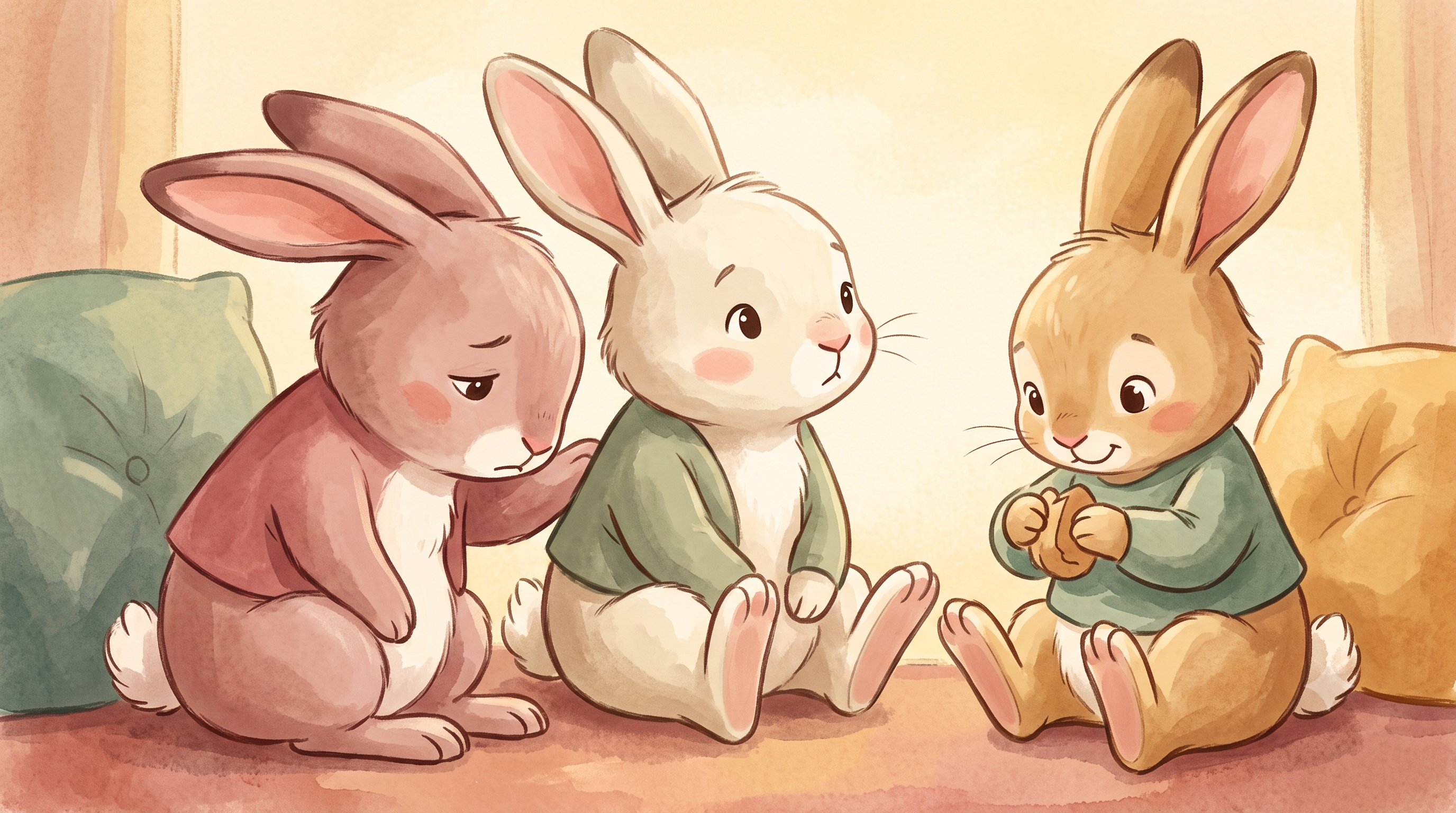
It might. A grandchild forgets to lift the mask, Grandpa gets frightened, someone cries. It happens in plenty of families. Afterwards, talk to your child about it without blame:
"Grandpa got scared because his brain thought your mask was real. You didn't do anything wrong. Next time we'll show him your face first."
Kids sometimes feel guilty after a moment like this, or embarrassed if friends saw it. Reassure them that dementia caused the reaction, not them. If your child has bigger feelings about it, our guide on helping kids cope with big feelings has more ideas.
And for your grandparent, the fix is usually simple. Lower the stimulation, move to a quiet room, put on a familiar song, sit together. Most of the time the upset passes faster than you'd expect.
Simple Halloween activities for kids and grandparents
If trick-or-treating is too much, there are plenty of ways to share the holiday at a slower pace:
- Pumpkin painting instead of carving. No knives, no mess of seeds, and it can happen in short bursts.
- Sorting candy into piles by color or type. It's repetitive in a good way and gives Grandma a clear task.
- Looking at old photos of past Halloweens. Many families have a picture of Mom or Dad as a kid in a homemade costume, and older memories are often the ones that stay longest.
- Baking pumpkin muffins together, with the grandparent doing the stirring.
- A daytime costume show. The kids walk through the living room one at a time, faces visible, and Grandpa claps or picks his favorite.
None of these need to be big. Fifteen good minutes beats an exhausting evening.
Why bother adapting it?
Because kids notice when a grandparent gets left out. A quieter Halloween that still has Grandma in it tells them she's part of the family, and that families bend the plans so everyone fits. They'll remember the pumpkin painting long after the candy's gone.
Frequently asked questions
Is Halloween scary for people with dementia?+
It can be. Masks may hide familiar faces, and noisy or flashing decorations can be frightening or disorienting. With faces kept visible, gentle decorations and a short, early schedule, many people with dementia still enjoy the holiday.
Should my child wear a mask around a grandparent with dementia?+
It's better to keep the face visible. If your child wears a mask, have them lift it and say their name every time they come near Grandma, and do a slow costume preview in daylight first.
How can a grandparent with dementia take part in trick-or-treating?+
Try a short stint handing out candy early in the evening with a familiar person beside them, or a calm daytime activity like pumpkin painting or a living-room costume show. A bowl on the porch with a "please take one" sign is a fine backup.