Why Picture Books Are the Best Tool for Talking About Memory Loss
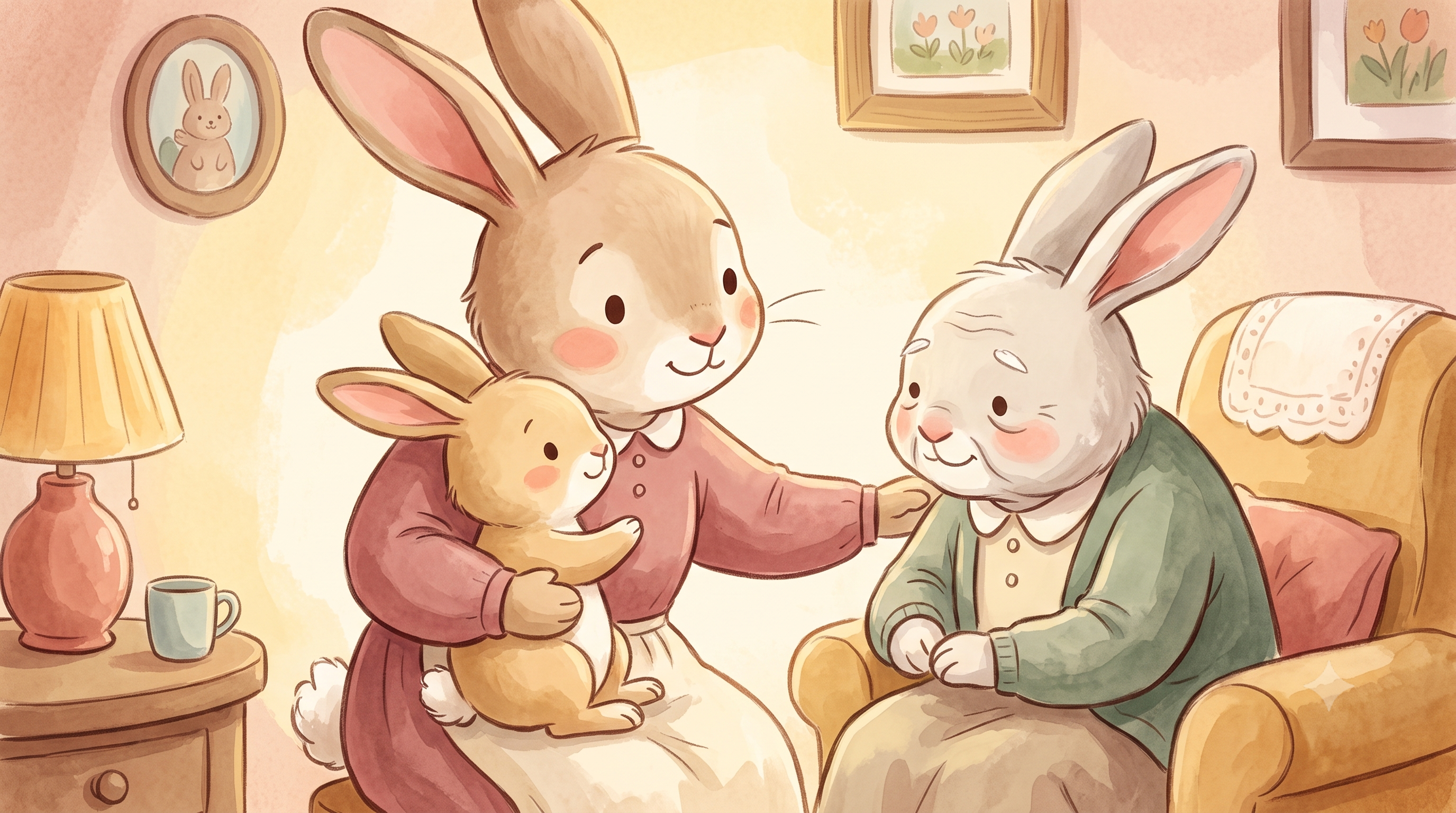
Ask a child to talk about their grandmother's dementia and you'll often get a shrug. Read them a story about a rabbit whose grandpa forgets things, and the questions pour out. That's not a coincidence - it's how children's minds are built. Stories give children safe distance from big feelings, which is why picture books are one of the most powerful tools a family navigating memory loss can own. Psychologists call it bibliotherapy; children just call it a bedtime story.
Ask a child to talk about their grandmother's dementia and you'll often get a shrug. Read them a story about a rabbit whose grandpa forgets things, and the questions pour out. That's not a coincidence - it's how children's minds are built. Stories give children safe distance from big feelings, which is why picture books are one of the most powerful tools a family navigating memory loss can own. Psychologists call it bibliotherapy; children just call it a bedtime story.
Why do stories work when direct conversation doesn't?
Stories give children distance. Talking about Grandma's illness is high-stakes - it involves people they love and feelings they can't name yet. Talking about a character's grandpa is safe. Within the safety of a story, children rehearse the same emotions, ask the same questions, and try out the same responses they'll need in real life.
What does a good dementia story teach without lecturing?
A well-crafted story carries lessons a lecture can't:
- Forgetting isn't the end of love. The character keeps loving their grandparent through the confusion - modeling exactly what we hope our children will do.
- Confusion has a cause. The story gives memory loss a shape and a name, replacing "Grandpa is being weird" with "Grandpa's memory is poorly."
- Small moments still matter. Sharing a snack, holding a hand, singing a song - stories show children that connection survives in the small stuff.
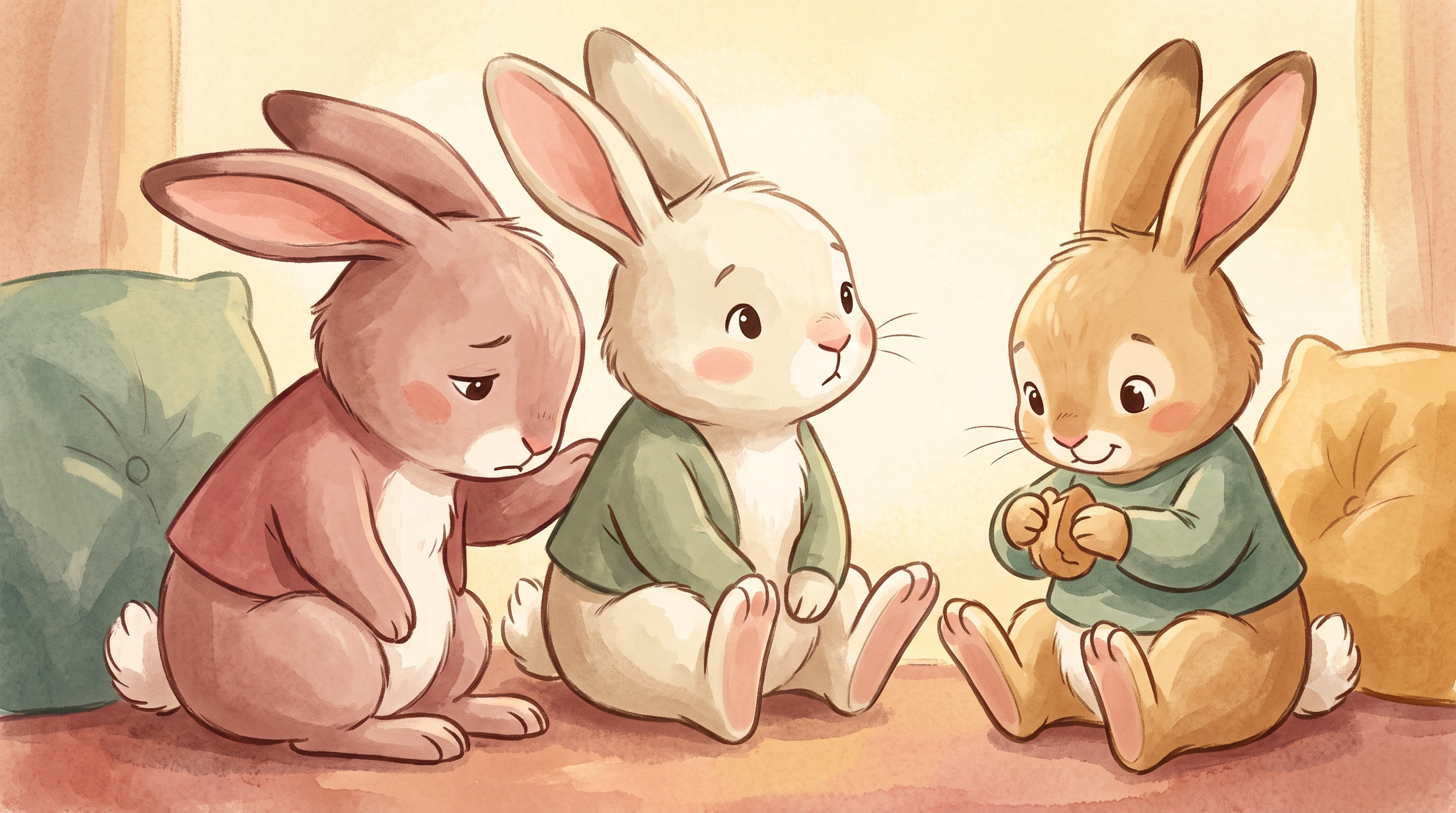
- Big feelings are allowed. When a character feels sad or frustrated, the child learns their own feelings are normal and speakable.
How should we read these books together?
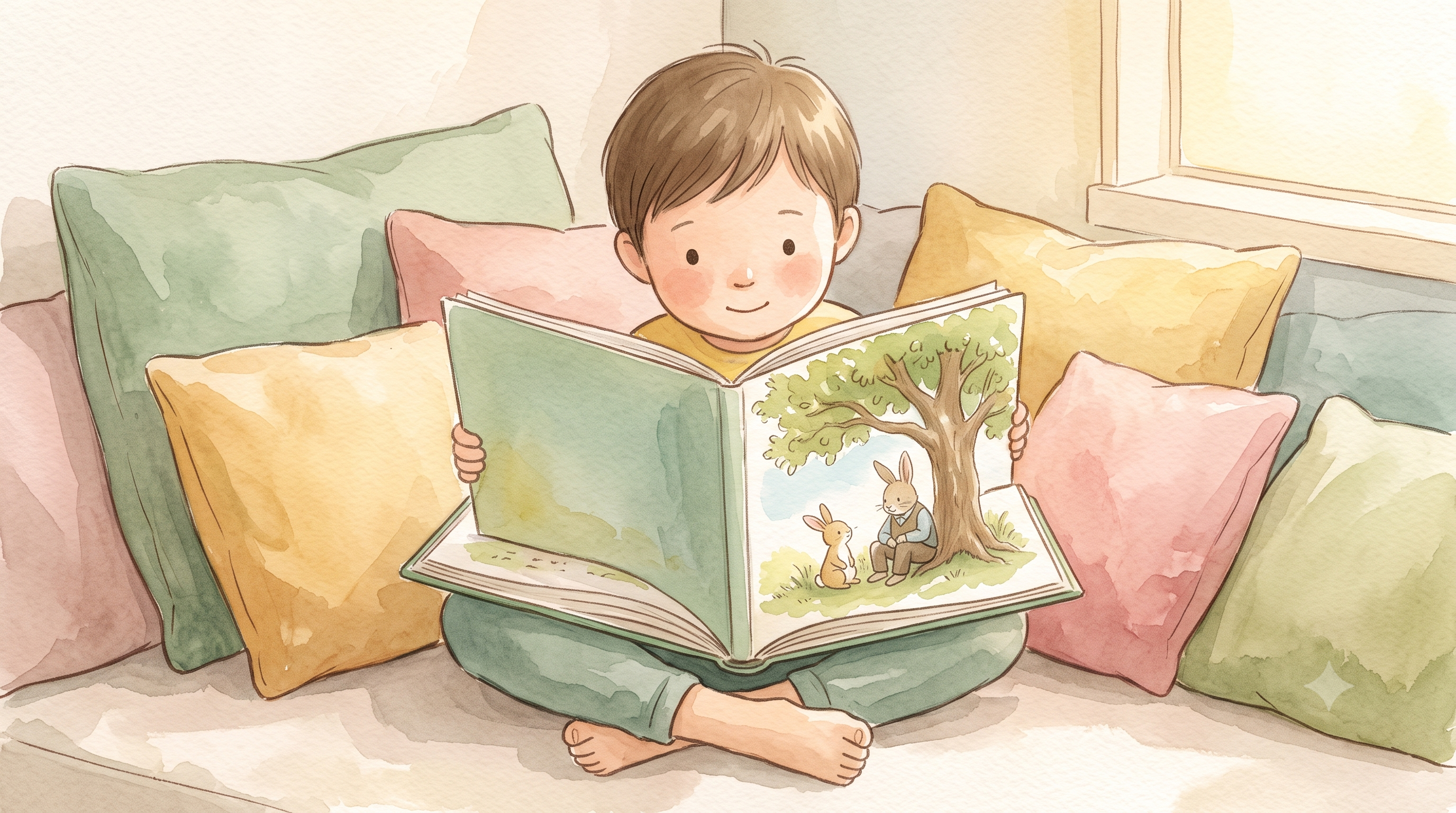
Slowly, and more than once. The first read is for the story; the later reads are where the real conversations happen. Pause when your child pauses. Answer the question they asked, not the one you're braced for. And keep the book on a reachable shelf - children return to stories the way adults return to trusted friends, exactly when they need them.
If the reading sparks bigger questions, our guide on how to explain dementia to a child gives you the words for every age.
When is the right time to introduce a book like this?
Earlier than most parents think. You don't need to wait for a crisis or a diagnosis in the family. Reading about memory loss before it touches your child's life builds the vocabulary and empathy in advance - like a fire drill made of kindness. And if dementia is already part of your family's story, a book gives your child a way back into a topic they may be avoiding.
What makes Rosemary Rabbit different?
Rosemary Rabbit and Grandpa Hopper was written for exactly this purpose: a cozy woodland world where a little rabbit learns that her grandpa's memories are changing, and that patience, curiosity, and love are still enough. It's honest about the confusion and gentle about the fear - and it comes with a community of parents and caregivers walking the same path, plus resources built for the conversations the book will start.
Frequently asked questions
What age are dementia picture books appropriate for?+
Most are written for ages 3-8, but they work beautifully for older children too - and many adults find them quietly healing to read aloud.
Will a book about memory loss make my child sad or anxious?+
Handled well, no. Good books in this genre are honest but hopeful, and children consistently respond with curiosity and compassion rather than fear. The gentler risk is silence - children left without explanations invent scarier ones.
My child keeps asking to reread it. Is that normal?+
Completely. Rereading is how children process. Each pass through the story lets them handle the feelings in smaller, safer doses.