Children's Books That Gently Explain Memory Loss and Dementia
A good picture book can do something a careful explanation often can't: it lets a child meet a hard, abstract idea safely, through a character, with a parent close by.
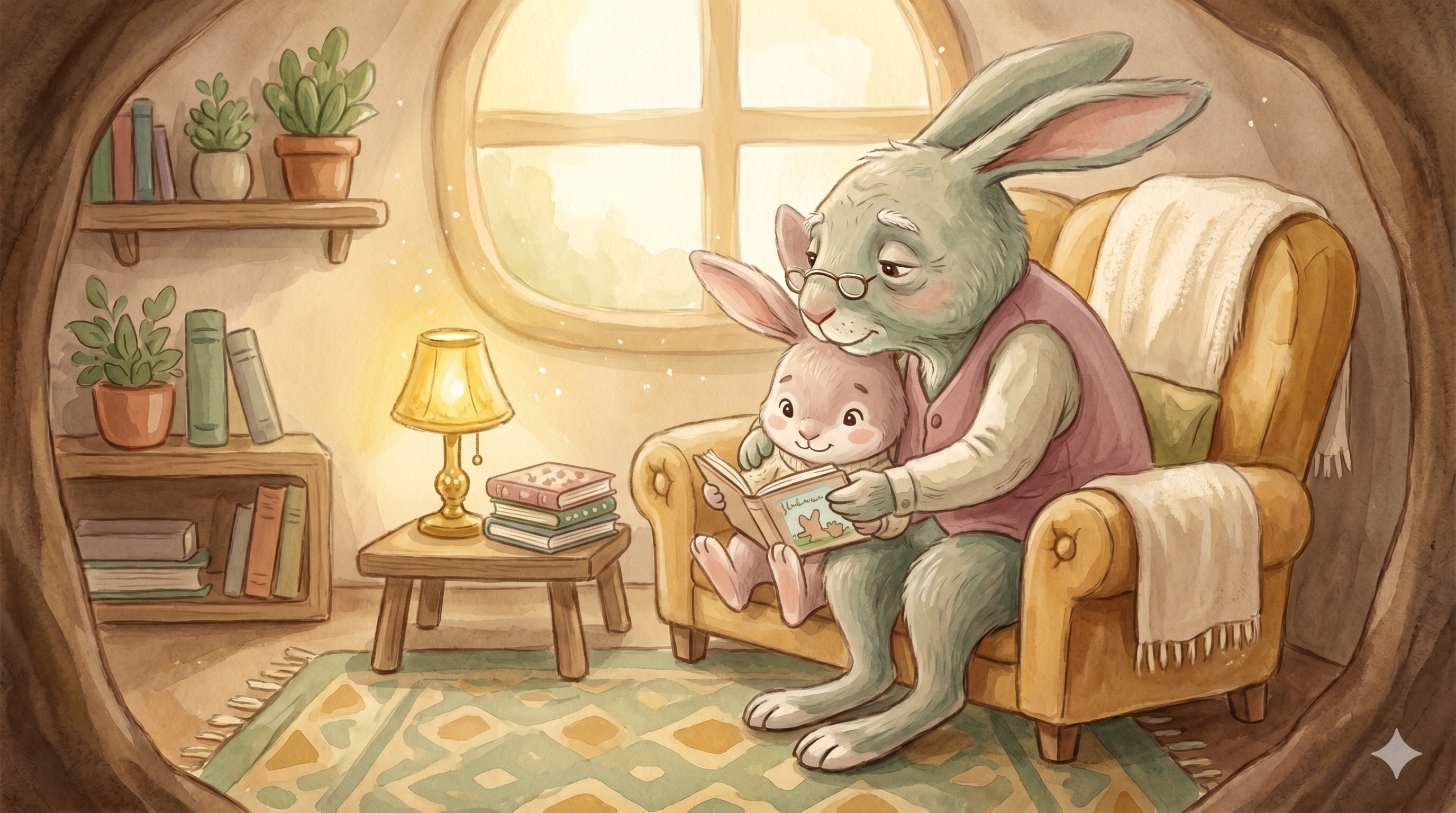
A good picture book can do something a careful explanation often can't: it lets a child meet a hard, abstract idea safely, through a character, with a parent close by. The best children's books about dementia and memory loss don't lecture — they tell a tender story, give feelings a shape, and quietly reassure a child that the love stays even when the memory changes. Below is a small, age-by-age list we love and trust, gathered to help your family open the conversation gently, at whatever pace feels right.
These are conversation starters, not curricula. Read one together, then simply let your child's questions lead.
For the youngest readers (roughly ages 3–6)
Granny Can't Remember Me by Susan McCormick, illustrated by Timur Deberdeev. Told from the cheerful point of view of a young boy named Joey, this gentle book is reassuring rather than sad: Granny can't remember much of anything, but through her stories of her "Three Best Days," Joey knows she loves him just the same. Its warmth and simplicity make it a lovely first book for preschool and early-elementary children.
Grandma and Me: A Kid's Guide for Alzheimer's and Dementia by Beatrice Tauber Prior and Mary Ann Drummond. Written by authors with clinical experience, this one doubles as a gentle story and a light guide — engaging for young children while quietly equipping caregivers, with helpful notes in the back. A good choice when you want a little extra support explaining the "why."
For early elementary (roughly ages 4–8)
The Remember Balloons by Jessie Oliveros, illustrated by Dana Wulfekotte. If you read only one book on this list, many families would point you here. Each of Grandpa's memories is a balloon, and he has the most of anyone because he's lived the longest. As his balloons begin to drift away, his grandson James is heartbroken — until he realizes he can hold on to those memories himself, and even gains new balloons of his own. It's a beautiful, gently honest metaphor for memory loss, and a quietly hopeful one about how love and memory get carried forward. (Recommended for roughly ages 4–8.)
Wilfrid Gordon McDonald Partridge by Mem Fox, illustrated by Julie Vivas. A modern classic. A small boy who lives next door to a care home sets out to help his favorite resident, an elderly woman who has "lost" her memory, by gathering up objects that help her find it again. Tender and timeless, it's a lovely way to show children that they can do something kind and meaningful, even in the face of memory loss.
For older children (roughly ages 7–12)
What's Happening to Grandpa? by Maria Shriver. A bit longer and more explanatory, this book follows a girl named Kate as she learns what's happening to her grandfather and finds her own way to stay close to him — partly by helping him hold on to his memories. A good fit for older elementary children who want to understand more of the "what" and "why."
The Memory Box by Mary Bahr. When Zach learns that his beloved Gramps has Alzheimer's, he and his grandparents begin filling a memory box together with the moments they share. A warm, practical story that models a real activity families can borrow — and a gentle, age-appropriate look at how a family faces the road ahead together.
And one from us
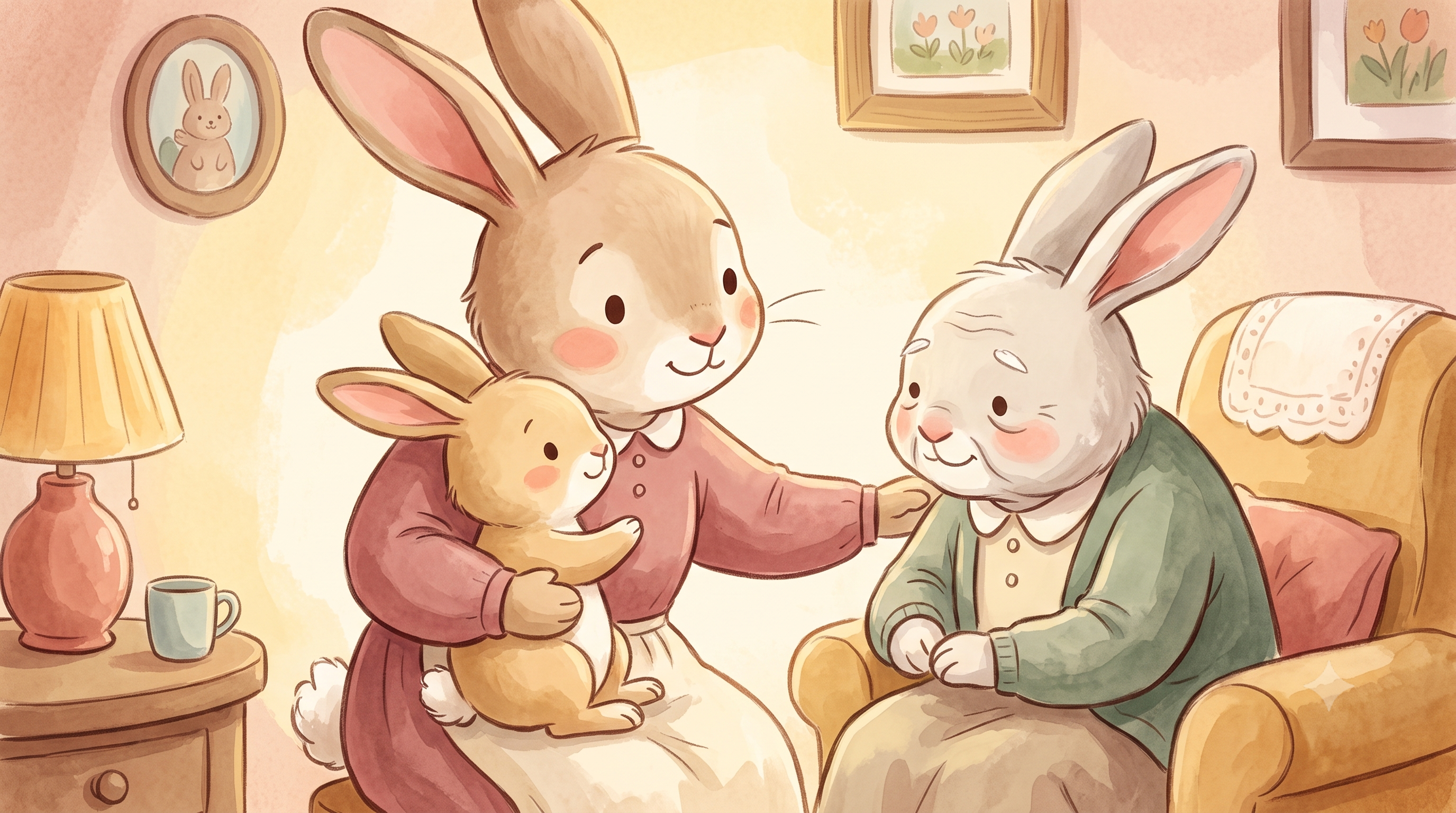
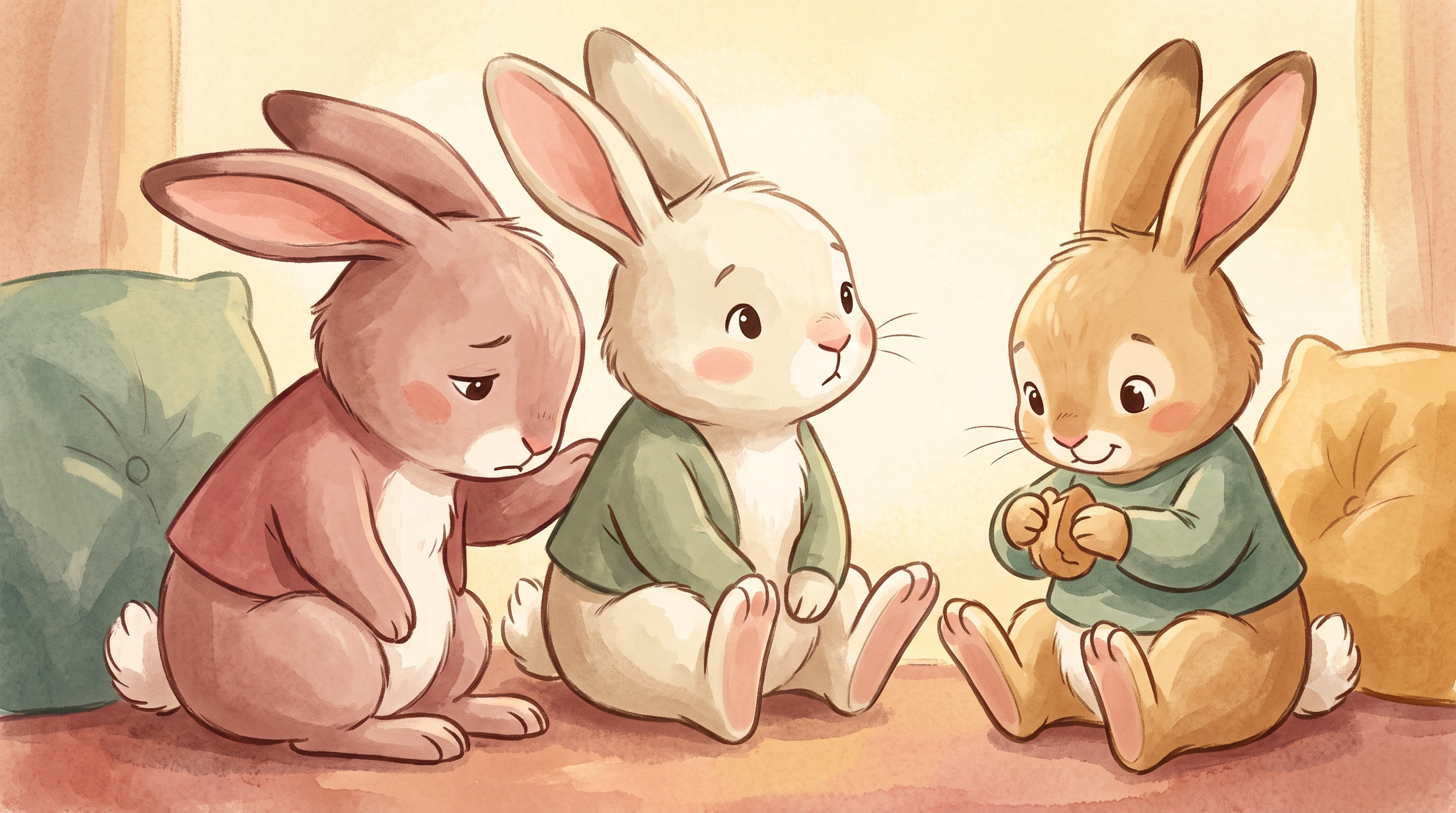
Rosemary Rabbit and Grandpa Hopper: A Tale of Love and Dementia. We wrote our own book for exactly the moment these others serve — a soft, story-shaped way for young children to meet memory loss in a beloved grandparent, and to come away holding onto what matters most: that the love stays, even when the remembering gets hard. We're honored to sit alongside the wonderful books above, and we'd encourage you to find whichever story fits your child best. You can find ours here.
How to choose — and how to read together
A few gentle pointers:
- Match the book to your child, not just their age. A sensitive five-year-old and a matter-of-fact eight-year-old may want very different stories. Trust what you know about your child.
- Read it yourself first. A quick preview lets you anticipate the feelings it might stir and decide how you'll answer the questions it opens.
- Let the book do the gentle work, then follow their lead. You don't need a lesson plan. Read together, leave room for silence and questions, and reread it as often as your child wants — repetition is comforting.
- Watch for the feelings, not just the facts. The goal isn't for your child to understand dementia perfectly. It's for them to feel safe, loved, and free to ask.
The right book, read at the right moment, can turn a confusing experience into a shared one — and remind a child that even as memory changes, they are held, and so is the grandparent they love.
For words to use beyond the page, see our guide on how to explain dementia to a child.
Frequently asked questions
What are the best children's books about dementia and Alzheimer's? Widely loved titles include The Remember Balloons by Jessie Oliveros, Granny Can't Remember Me by Susan McCormick, Wilfrid Gordon McDonald Partridge by Mem Fox, What's Happening to Grandpa? by Maria Shriver, The Memory Box by Mary Bahr, and Grandma and Me by Beatrice Tauber Prior and Mary Ann Drummond.
What age should a child be to read a book about dementia? There are gentle options from about age three. Simpler, reassurance-focused books suit ages 3–6, while older children (7–12) can handle books that explain more of the "what" and "why." Match the book to your individual child, not just their age.
How do books help children understand dementia? Stories let children meet a hard, abstract idea safely through a character, give difficult feelings a shape, and open the door to questions. Reading together — and rereading — helps children feel comfortable asking parents and grandparents about what they're seeing.
Rosemary Rabbit helps families talk about memory, dementia, and love with warmth and honesty. Explore our book and join the community.