Reading Together: How Picture Books Help Kids Understand Dementia
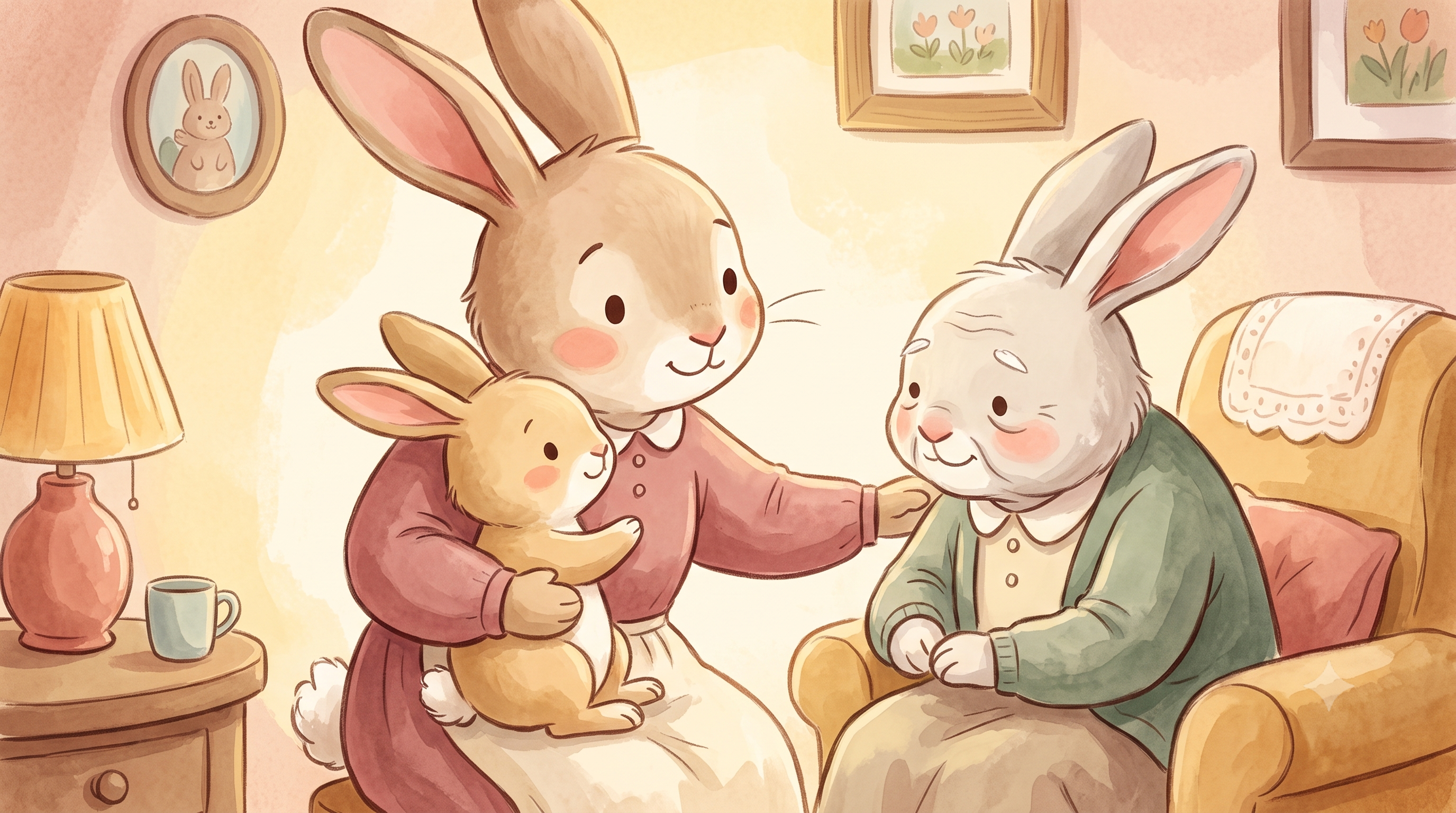
Picture books give children a safe, gentle way to understand dementia. A story lets a child meet the feelings and changes from a little distance, then connect them to their own family. To use one well, choose a book that matches your child's age, read it together, pause for questions, and come back to it often.
Picture books give children a safe, gentle way to understand dementia. A story lets a child meet the feelings and changes from a little distance, then connect them to their own family. To use one well, choose a book that matches your child's age, read it together, pause for questions, and come back to it often.
Why do picture books help children understand dementia?
Young children learn about the world through stories. A picture book turns something confusing and invisible, a change in the brain, into something they can see and follow from page to page.
Stories also offer a little distance. It can feel easier for a child to talk about a character's worries than their own. Afterward, many children make the connection themselves: "That's like Grandma."
Books are also good for grown-ups. When we are tired or sad, it is hard to find the right words. A well-made book gives us a starting point and a shared language we can use again later.
And reading together is calming in itself. Sitting close, turning pages and hearing a familiar voice tells a child they are safe, even when the topic is hard.
How do I choose a good picture book about dementia?
Not every book will suit every family. Here are a few things to look for as you browse a library, bookshop or school collection.
Look for / Why it matters:
- Simple, honest words — Children cope better with clear truths than with vague hints.
- Age-appropriate length — Ages 4 to 8 usually do best with short text and strong pictures.
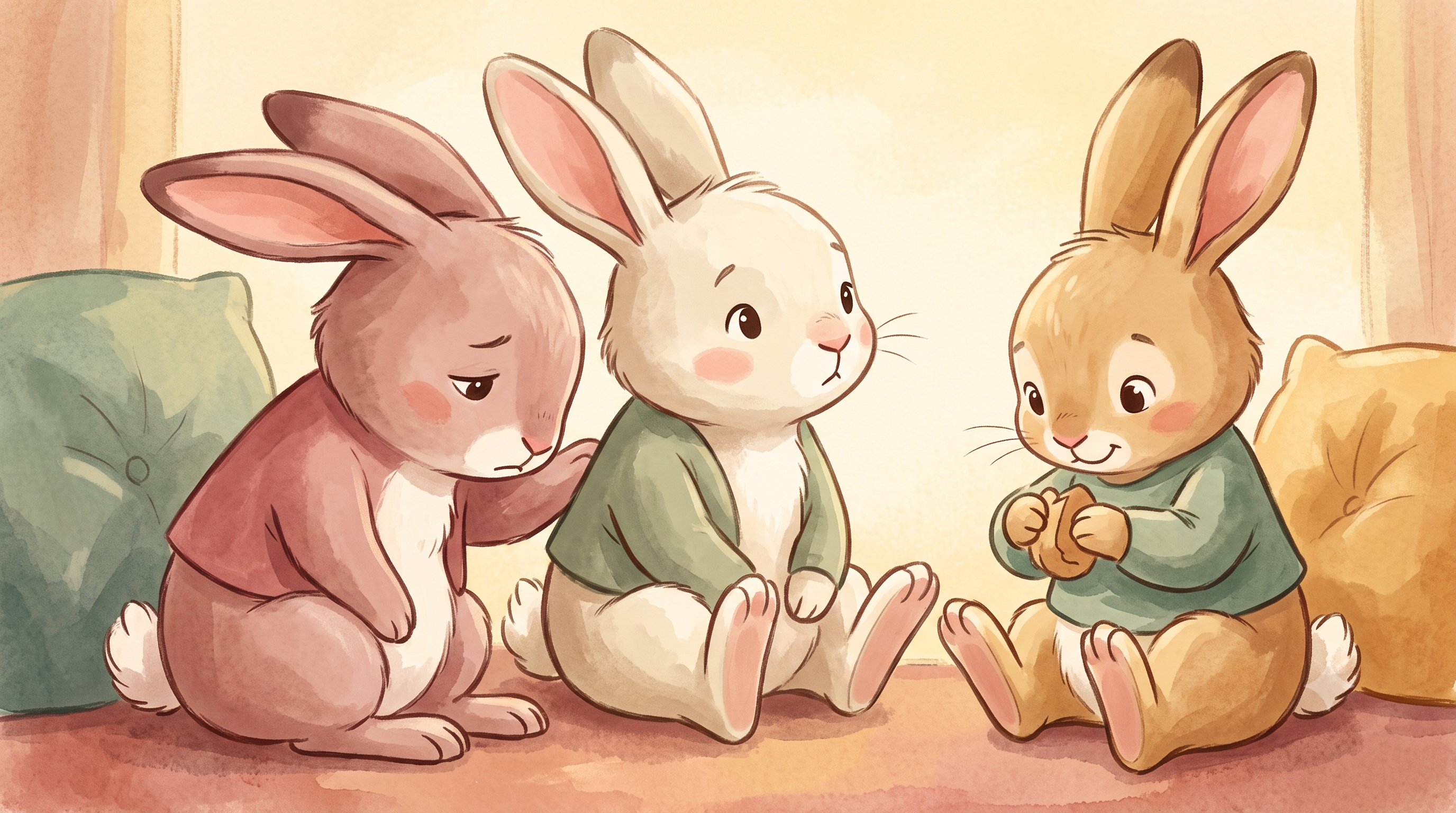
- Feelings on the page — Characters who feel sad, confused or cross give your child permission to feel those things too.
- A hopeful, loving tone — Children need to hear that love and connection carry on.
- Things a child can do — Small actions, like singing or holding hands, help children feel useful.
It also helps to check that the story fits your situation. A book where a grandparent lives at home may land differently if your child's grandparent is in a care home. Neither is wrong. You can simply say, "Our story is a little different."
Read the book on your own before sharing it. That way, nothing surprises you, and you can decide whether it is right for now.
How should I read it with my child?
You do not need a plan. A cozy spot, a quiet moment and your full attention are enough. Bedtime works for some children. Others do better on a slow weekend morning, when there is time to talk.
Some gentle ways to read together:
- Go slowly. Let your child look at the pictures. Faces and small details often spark questions.
- Wonder aloud. "I wonder how this character feels right now."
- Pause without pushing. If your child goes quiet, that is fine. Sometimes they are thinking.
- Follow their lead. If they want to skip a page or stop, let them.
- Keep it a story, not a lesson. Avoid stopping every page to ask, "What did you learn?"
Here is a simple way to start:
"This book is about a family where someone has a sickness in their brain called dementia. It's a bit like what's happening with Grandpa Joe. Want to read it together?"
What can I say after reading?
The talk after the last page is often where the real understanding happens. Keep it light and open. Here are some scripts to try:
"Which picture did you like best? Why?"
"Was there anything in the story that felt like our family?"
"Someone in the story felt cross when their grandparent forgot something. Have you ever felt like that?"
"What do you think would help someone like that feel happy?"
If your child asks a hard question, it is okay to take a breath first:
"That's a really good question. Let me think about how to answer it."
And if you do not know the answer:
"I don't know. But I can try to find out, and we can talk about it again."
Your child may not say much at all. That is okay too. Sometimes questions arrive days later, in the car or at bath time. Treat those moments as part of the same conversation.
How often should we read it?
As often as your child wants. Young children love repetition, and rereading a familiar story is comforting. Each time, they may notice something new or ask a question they were not ready for before.
You might also keep the book somewhere your child can reach it. Some children like to "read" it alone by looking at the pictures. Others bring it out when they are worried, or before a visit.
As your family's situation changes, you can return to the book with fresh eyes. A story that felt simple a year ago may open a deeper talk now.
Frequently asked questions
At what age can I start reading picture books about dementia?+
Many children from about age 4 can follow a simple story about a grandparent who forgets things. Younger children may enjoy the pictures and the closeness even if they understand less.
What if the book makes my child sad?+
Sadness is a normal response, and a story is a safe place to feel it. Stay close, name the feeling, and remind your child that you are there and that their grandparent still loves them.
Should I change the words while I read?+
You can. If a word seems confusing or too strong, swap it for one your family uses. You know your child best.
Can teachers and grandparents use picture books too?+
Yes. Teachers can share them with a class, and some grandparents in the early stages enjoy reading with a grandchild, which can become a special shared time.