Making a Memory Book With Your Child for a Grandparent With Dementia
A memory book is one of the simplest, most loving things a child can make for a grandparent with dementia — a small album of photos and stories that helps their loved one reminisce, feel calm, and connect, while giving the child a meaningful way to help. You don't need to be crafty or spend money.
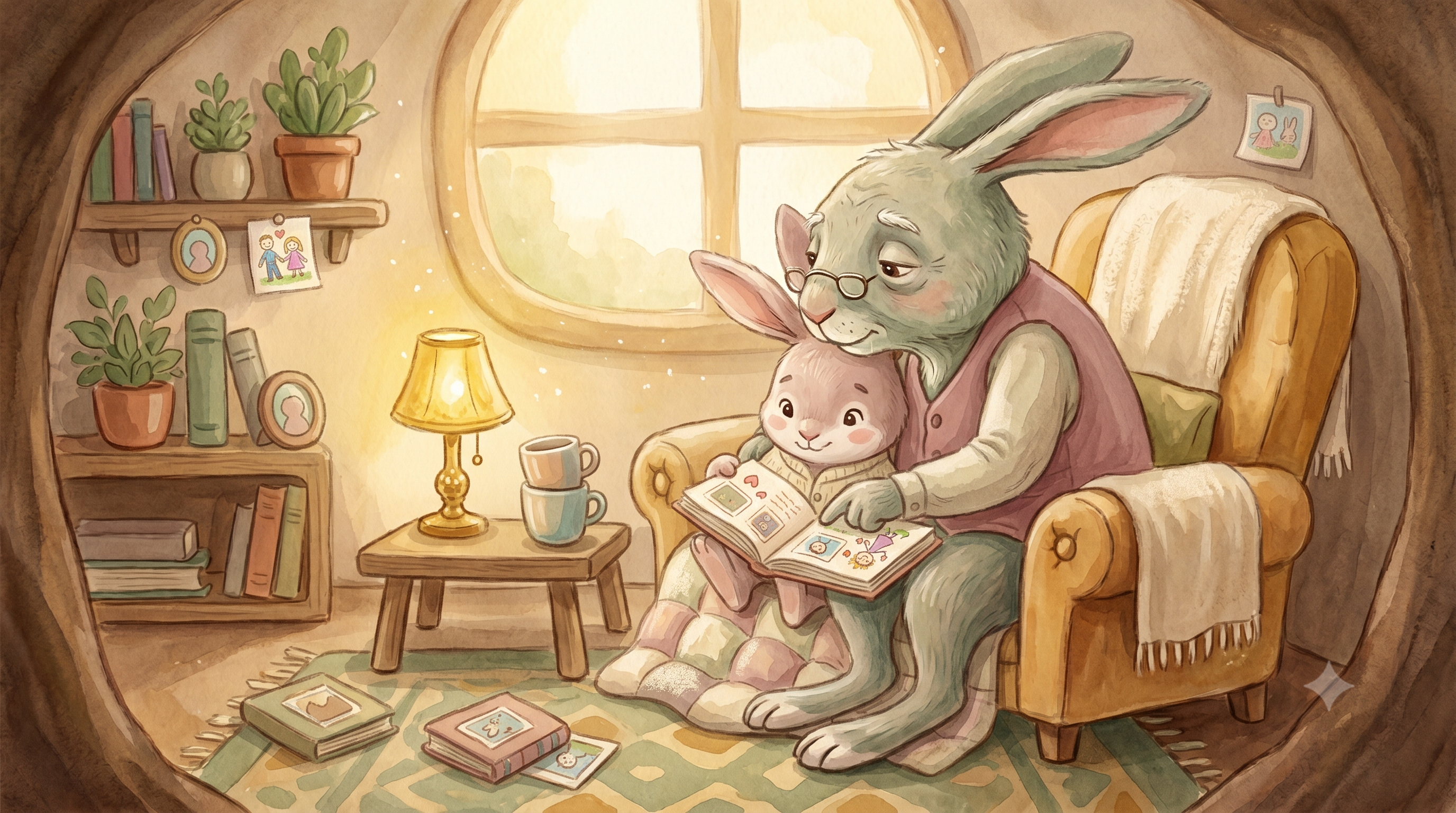
A memory book is one of the simplest, most loving things a child can make for a grandparent with dementia — a small album of photos and stories that helps their loved one reminisce, feel calm, and connect, while giving the child a meaningful way to help. You don't need to be crafty or spend money. A handful of familiar photos, a few simple words, and an afternoon together is enough. Because long-ago memories are often easier to reach than recent ones, a memory book can open warm moments even when names and dates have slipped away — and making it becomes a gift for the child, too.
Why a memory book helps
For a person living with dementia, reaching for recent memories can be frustrating — but older, deeply-rooted memories often remain accessible far longer. A memory book gently invites those. Looking through familiar faces and long-ago moments can bring comfort, spark stories, ease anxiety, and open a warm channel of connection when conversation alone is hard. This kind of gentle reminiscence is something caregivers and memory-care professionals use often, because it meets a person where their memory still lives.
For children, making the book is just as valuable. It turns a confusing, sometimes sad situation into something active and loving — a way to do something for Grandma rather than just watch her change. And the process itself, choosing photos and hearing the stories behind them, is a quiet gift of family history to the child.
What to include
Keep it simple, clear, and personal. A few guidelines that make a memory book work well for someone with dementia:
- Older photos, familiar faces. Favor pictures from earlier in your loved one's life — their childhood, young adulthood, wedding, their own children as babies. These are often the most reachable and the most joyful.
- Big, clear, uncluttered images. One strong photo per page is easier to focus on than a crowded collage. Simple is kind.
- Short, simple captions. A few plain words — "Grandpa on the farm" or "Your wedding day, 1962" — help without overwhelming. Avoid long paragraphs or quizzing captions ("Do you remember...?"), which can create pressure.
- Things they loved. A picture of a beloved pet, a favorite place, a garden, a car, a hobby. Familiar joys are wonderful anchors.
- A sensory touch, if you like. A note about a favorite song, a swatch of a familiar fabric, or a mention of a treasured smell can deepen the connection.
Let your child help choose photos, decorate pages, and add their own drawings. Their hand in it makes the book warmer — and the making becomes shared time.
How to make it together
You don't need anything fancy. A small photo album, a scrapbook, or even printed pages in a simple binder all work. Sit down with your child and any older relatives who can share the stories, and let the project be relaxed and unhurried.
As you go, this becomes a beautiful chance for a child to hear family history — who's that? where was that? what did Grandpa do? — and to feel connected to a grandparent's whole life, not just the person they are now. There's no rush and no wrong way. The book doesn't need to be complete or perfect; even a few pages made with love will do its job.
How to use the memory book
Once it's made, the book becomes a gentle tool for connection, especially during visits:
- Look at it together, slowly. Let your loved one set the pace. Some pages may spark a story; others may just bring a smile. Both are wins.
- Follow their lead, don't quiz. Instead of asking "Do you remember this?", try "This is a lovely photo — tell me about it," or simply share the story yourself. Take the pressure off remembering.
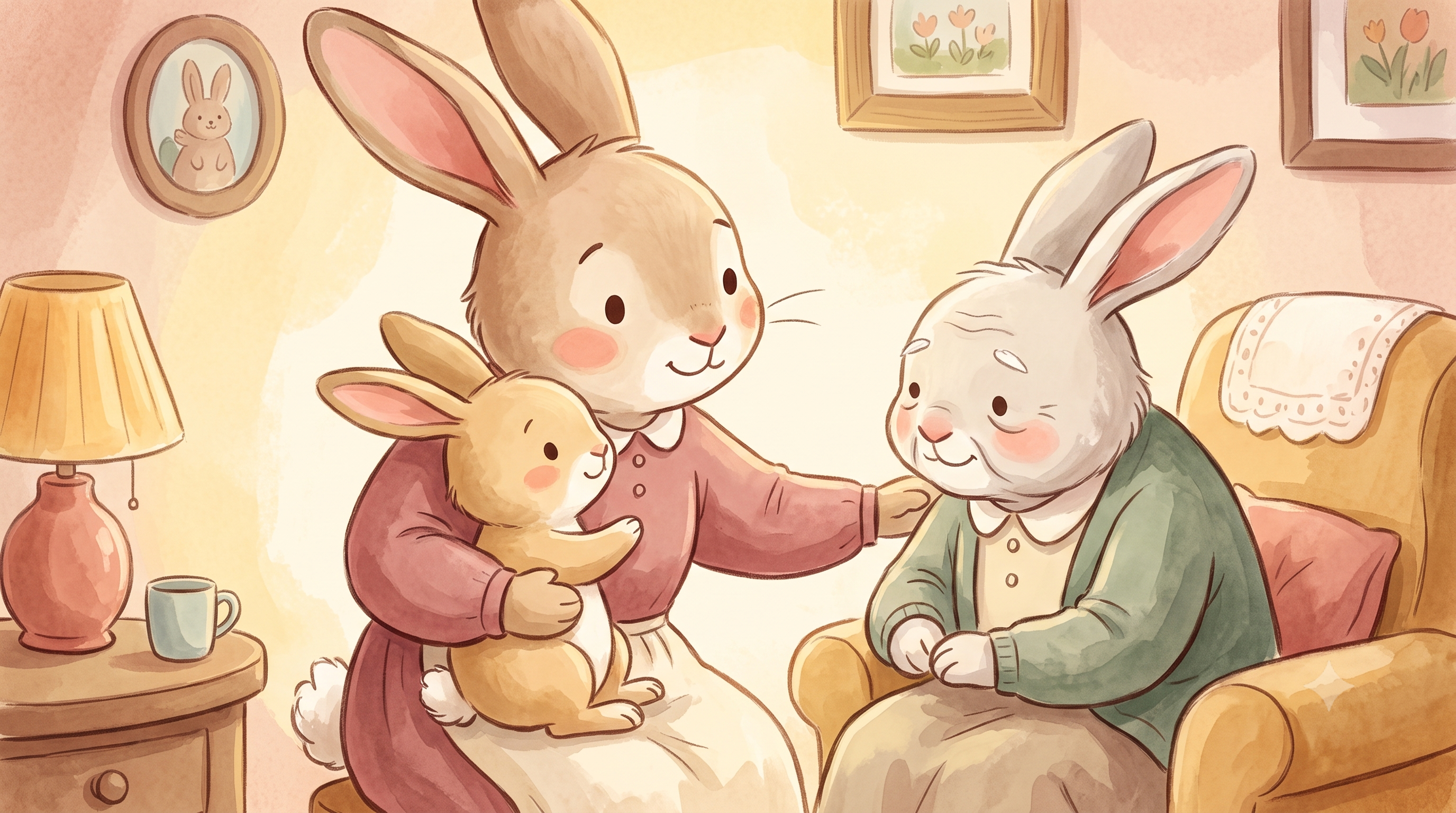
- Let your child be the guide. Children often make wonderful, patient memory-book companions, turning pages and pointing to pictures. It gives them a comfortable role during a visit.
- Don't worry if it's the same page every time. Repetition is fine, even comforting. If one photo brings joy, returning to it again and again is perfectly good.
A memory book won't restore what dementia has taken, but it can open a warm, familiar door — a way for your loved one to feel connected and calm, and for your child to feel useful and close. Made together and shared gently, it's a small project that holds a lot of love.
For more ways to connect during visits, see our guide on visiting a grandparent in memory care, and for the words to use when memory slips, when a grandparent forgets your child's name.
Rosemary Rabbit helps families connect through memory, dementia, and love with warmth and honesty. Explore the book and join our community.
Frequently asked questions
What is a memory book for someone with dementia?+
It's a simple, personal album of photos and short stories — usually from earlier in the person's life — designed to spark reminiscence, comfort, and connection. Because older memories often remain accessible longer, it can open warm moments even when recent memory has faded.
What should you put in a memory book for a grandparent with dementia?+
Older photos of familiar faces and joyful moments, one clear image per page, short simple captions (not quizzing ones), pictures of things they loved, and optional sensory touches like a note about a favorite song. Let children add drawings and help choose photos.
How do you use a memory book with someone who has dementia?+
Look through it slowly and follow their lead. Don't quiz them ("Do you remember?"); instead invite stories gently or share them yourself. Repetition is fine, and children make wonderful, patient companions for turning the pages.