World Brain Day: Fun Ways to Teach Kids About Their Amazing Brain
World Brain Day (July 22) is a wonderful, upbeat chance to help children fall in love with the most amazing thing they own — their brain. You don't need to be a scientist or make it a lesson. With a few playful activities, kids can learn what their brain does, how to take care of it, and — gently — that brains can work differently in different people, which builds the kind of understanding and kindness that lasts a lifetime. It's a celebration, not a science class: the goal is wonder, not facts to memorize.
World Brain Day (July 22) is a wonderful, upbeat chance to help children fall in love with the most amazing thing they own — their brain. You don't need to be a scientist or make it a lesson. With a few playful activities, kids can learn what their brain does, how to take care of it, and — gently — that brains can work differently in different people, which builds the kind of understanding and kindness that lasts a lifetime. It's a celebration, not a science class: the goal is wonder, not facts to memorize.
Why teach kids about their brain?
Because children are naturally fascinated by it once you show them — and because the habits and attitudes that protect brain health start early. Helping a child understand that their brain is the busy control center behind everything they do (thinking, moving, feeling, remembering, dreaming) gives them a sense of wonder about themselves. And weaving in that brains need care — rest, good food, movement, learning, friends — plants healthy ideas while they're young.
There's a gentle second gift, too. Learning that everyone's brain is a little different, and that some brains work in unique ways or find some things harder, is the seed of real empathy. On a day devoted to the brain, that's a beautiful thing to grow.
Fun activities to try
Pick a few that fit your child's age and mood:
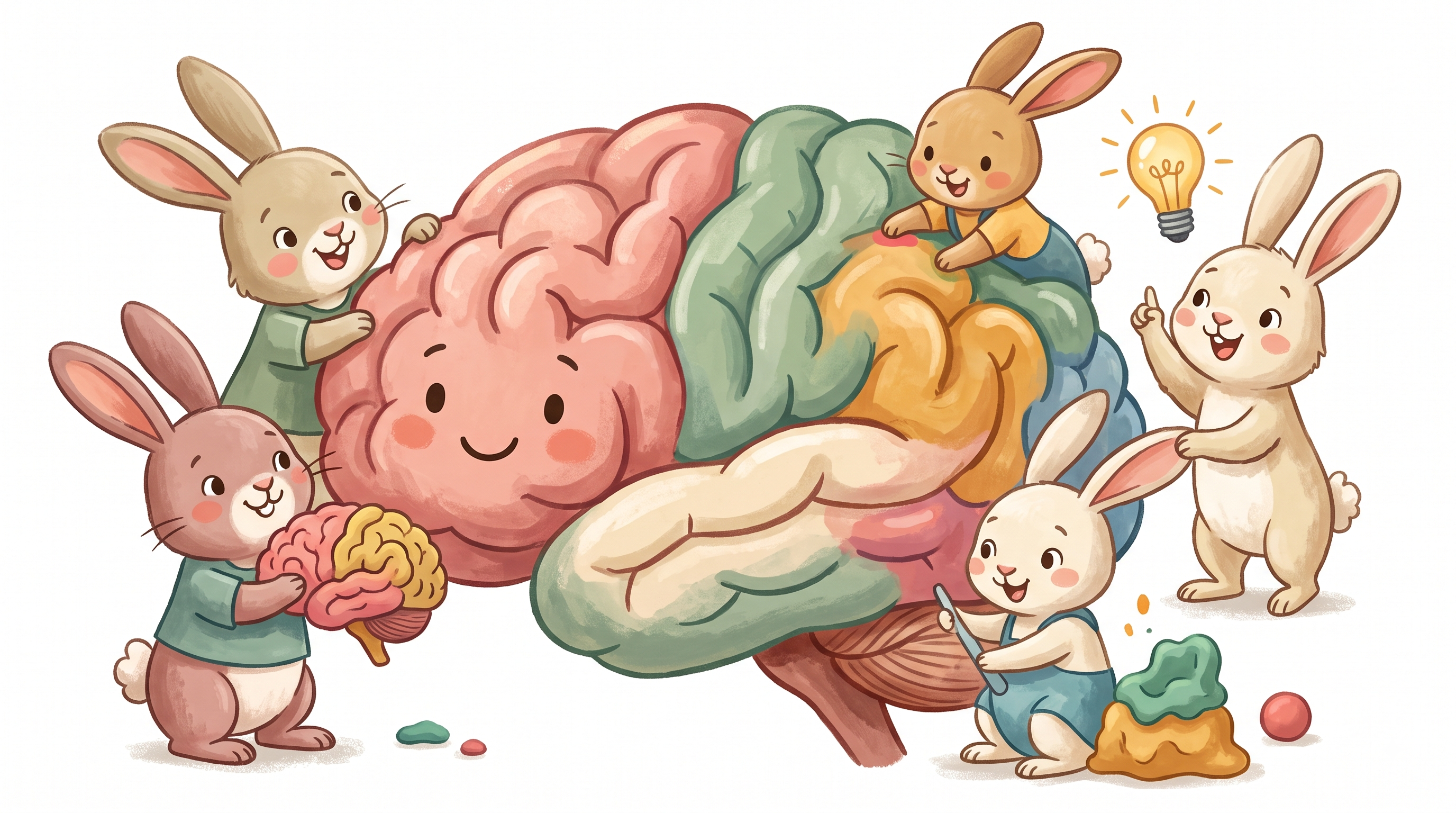
- Make a brain hat or model. Sculpt a "brain" from playdough or crumpled paper, or draw and colour one. Talk about how this squishy, wrinkly thing does absolutely everything. Kids love that the brain looks a bit like a walnut or wrinkly noodles.
- Play "who's the boss?" Point to different body parts and ask what tells them to move — wiggle your fingers, blink, jump — and reveal that the brain is sending secret messages to all of them, super fast. A great way to make an invisible thing feel real.
- Test your amazing senses. Do simple sense experiments: taste something with your nose held (it's harder!), guess objects by touch in a bag, try to pat your head and rub your tummy. These show the brain hard at work and always get giggles.
- Do a memory game. A classic tray game (look at objects, cover them, remember them) or matching pairs. Talk about how the brain stores memories — and that memory is a bit like a muscle we can exercise.
- Try a "brain teaser." An age-appropriate riddle, maze, or puzzle. Point out the nice feeling of a brain working hard and figuring something out.
- Move to help your brain. Dance, do animal moves, play a running game — then talk about how moving your body actually helps your brain feel good and think well. Little scientists love learning that exercise is brain food.
None of it needs to be polished. The learning happens in the doing and the delight.
Teaching brain-healthy habits (gently)
World Brain Day is a natural, no-pressure way to plant the simple ideas that keep brains healthy — the same ones that matter across a whole life:
- Move your body — it helps your brain as much as your muscles.
- Sleep well — your brain does important tidying-up while you sleep.
- Eat colourful, good foods — they give your brain fuel.
- Learn new things — every time you try something hard, your brain grows stronger.
- Be with people you love — friendship and family are good for your brain too.
Framed as "ways to be kind to your amazing brain," these land as fun facts rather than rules — and they stick.
A gentle note on different brains
Because Rosemary Rabbit is a foundation rooted in understanding memory and dementia, we love that World Brain Day also opens a soft door to a bigger idea: brains can change and work differently, and that's part of being human. Depending on your child's age, you might gently mention that some people's brains have trouble remembering (like a grandparent with dementia), that some brains learn or think differently, and that the kind thing is always to be patient and caring. You don't have to go deep — just plant the seed that every brain deserves kindness. (Our guide on teaching empathy through story can help if you'd like to go further.)
World Brain Day is, at heart, a celebration — of the astonishing organ that makes each child who they are. Spend an hour marveling at it together, plant a few seeds about caring for it, and let your child come away feeling that their brain is amazing, worth looking after, and worth being kind about — in themselves and in everyone else. That's a lovely thing to teach on any day, and a perfect thing to teach on this one.
Frequently asked questions
How do you teach kids about the brain on World Brain Day?+
Keep it playful and hands-on: make a playdough brain, do simple senses experiments, play memory games, try age-appropriate puzzles, and move around to show how exercise helps the brain. The goal is wonder and fun, not memorizing facts.
What brain-healthy habits can you teach children?+
Simple, positive ones framed as "being kind to your amazing brain": move your body, sleep well, eat colourful foods, learn new and challenging things, and spend time with people you love. These are the same habits that support brain health across life.
When is World Brain Day?+
World Brain Day is observed every year on July 22, led by the World Federation of Neurology to raise awareness about brain health for people of all ages.