When a Grandparent With Dementia Moves In: Preparing Your Kids
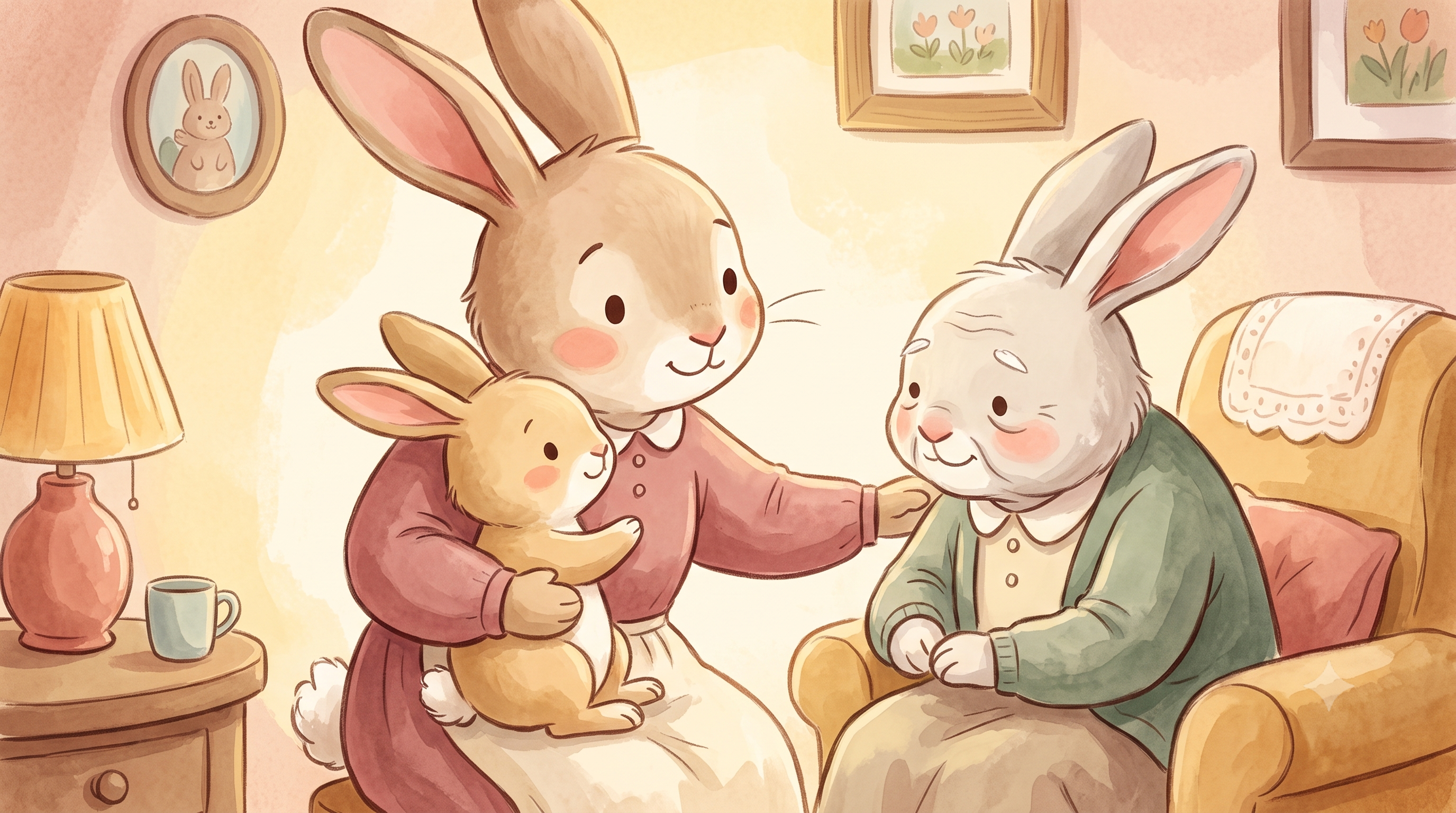
More families are living together than at any point in the last fifty years. Pew Research Center found that about 18% of Americans lived in multigenerational households in 2021, up from 7% in 1971, and caregiving is one of the main reasons people give. When the grandparent moving in has dementia, it's a big change for the whole household. The adults usually spend weeks planning the logistics. The kids often get a single conversation, if that.

More families are living together than at any point in the last fifty years. Pew Research Center found that about 18% of Americans lived in multigenerational households in 2021, up from 7% in 1971, and caregiving is one of the main reasons people give. When the grandparent moving in has dementia, it's a big change for the whole household. The adults usually spend weeks planning the logistics. The kids often get a single conversation, if that.
They deserve more than that. Children handle change better when they know it's coming, understand roughly why, and have some say in how it goes.
When should we tell the kids?
Earlier than feels comfortable. A few weeks of notice gives kids time to ask questions, get used to the idea and say how they feel about it. Springing it on them the weekend of the move tends to make the grandparent feel like an intruder.
Keep the first explanation short and honest:
"Grandma's memory illness means she can't live safely on her own anymore. She's going to come live with us so we can help her. It'll change some things at home, and we'll figure them out together."
Then stop and let them react. Some kids are thrilled (Grandma all the time!). Some are worried, or quietly annoyed about losing a room or a routine. All of that is normal, and kids need to know they can say the less flattering parts out loud without getting in trouble. If your child is younger and hasn't had the basic dementia conversation yet, start with our guide on explaining dementia by age.
What changes should we warn them about?
Be specific. Vague reassurance ("nothing much will change") falls apart on day two. Talk through what will be different:
- Noise and timing. The house may need to be calmer in the evenings, or Grandpa may be up at night.
- Space. Who's moving rooms, sharing a bathroom, or losing the guest room where friends sleep over.
- Your time. This is the one kids feel most and say least. A parent who's caregiving has less attention to give. Name that honestly, and tell them what you'll protect (more on that below).
- Grandma herself. She may repeat questions, get confused about where she is, call them by a parent's name, or have days when she's grumpy for no clear reason. Seeing that every day is different from seeing it once a month.
How do we set up the house?
Making a home safer for someone with dementia is mostly common sense, and kids can help with a lot of it:
- Clear the floors. Toys, shoes and backpacks on the stairs become trip hazards. A "nothing on the floor" rule is easier to accept when kids know it's protecting Grandma.
- Label things. Simple signs or pictures on the bathroom door, the kitchen cupboards and Grandma's bedroom help her find her way. Kids can draw them, and grandparents often like that they're homemade.
- Add light. Night lights in the hallway and bathroom help with nighttime confusion.
- Lock up the risky stuff. Medicines, cleaning products, car keys, sharp tools.
- Think about doors. About six in ten people with dementia wander at least once, according to the Alzheimer's Association. Door chimes or simple alarms help, and kids should know the rule: if Grandpa heads outside alone, tell an adult right away. We cover this in more detail in our guide to what kids should know if a grandparent gets lost.
How do we protect the kids' own space?
Families skip this part a lot. Children still need a place, a routine and a slice of a parent's attention that's theirs.
- Keep their room theirs. If at all possible, don't move a child out of their bedroom for the grandparent. If you must, give them real input on the new space.
- Protect one thing. Pick a routine that stays sacred: bedtime reading, Saturday pancakes, the drive to soccer. Then guard it, even on hard weeks.
- Let them bring friends over. Kids sometimes stop inviting friends because they're embarrassed or unsure what Grandma will do. Talk about it. A quick, matter-of-fact line for friends ("my grandma has a memory illness, so she might ask your name a few times") usually takes care of it.
- Watch the helper load. It's lovely when kids help, and it's healthy in small doses. But a child shouldn't become a second caregiver. Our piece on young carers explains where the line is.
What can kids do to help Grandma settle in?
The first weeks are often the hardest for the grandparent, who has lost their own home and is somewhere unfamiliar. Kids can make that transition gentler without taking on too much:
- Help decorate her room with familiar things: her photos, her blanket, the clock from her old kitchen.
- Make a "welcome" sign or card. It sounds small. It often gets kept for years.
- Show her around. A short daily tour ("this is the bathroom, this is my room, this is where we eat") can be reassuring, even if she needs it again tomorrow.
- Share a small daily ritual. A cup of tea after school, a walk around the block, one song before dinner. Predictable, short and shared.
What if my child is unhappy about it?
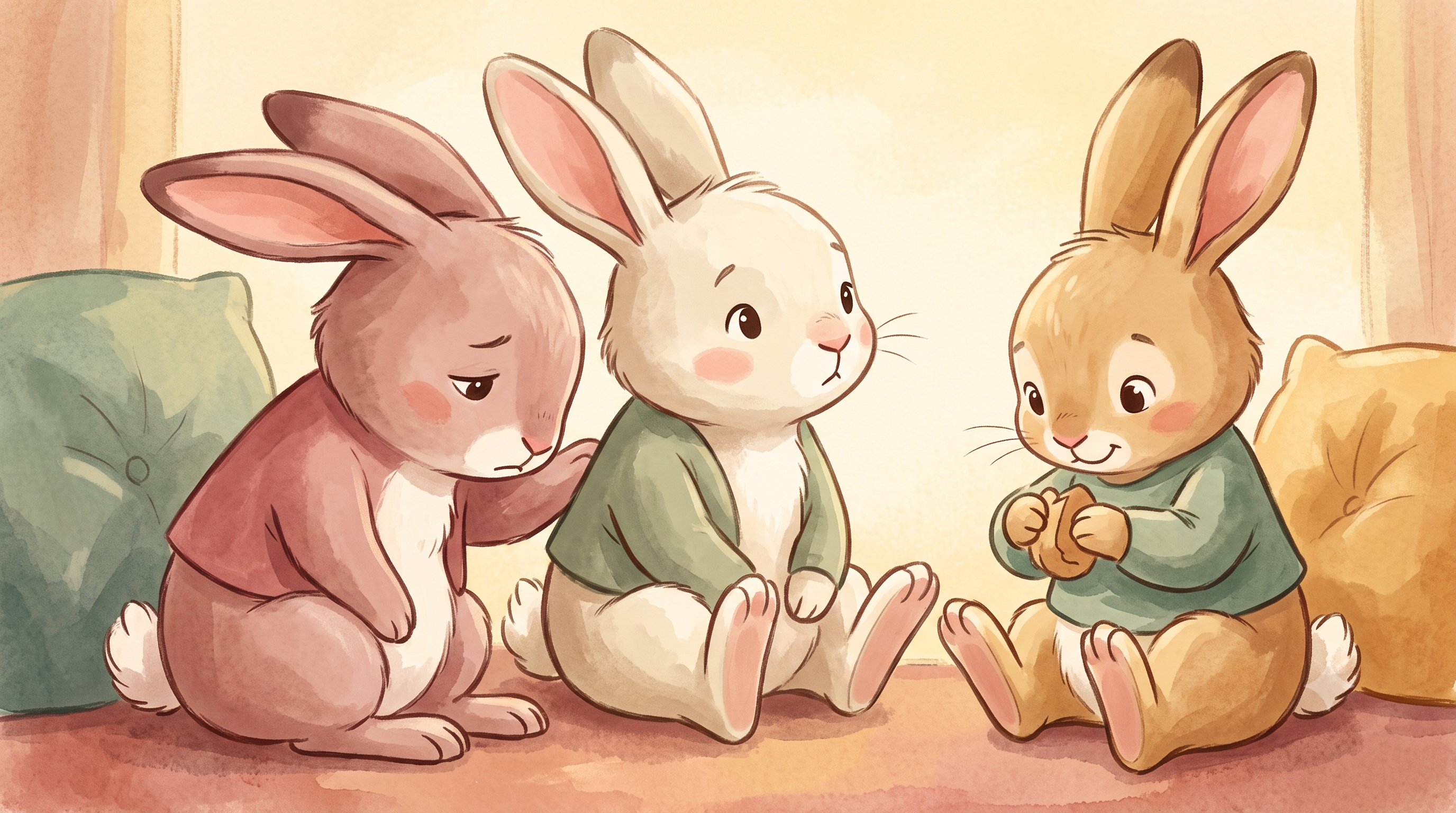
Some kids will be. They might resent the changes, feel scared of Grandpa's behavior, or miss the version of home they had before. Try not to argue them out of it. "It makes sense you feel that way. It's a big change" goes a lot further than "you should be grateful she's here."
Check in regularly, not just once. A simple question at bedtime, like "what was the hardest part of today, and what was the best?", gives kids a regular, low-pressure chance to tell you how it's going. If you notice ongoing changes in sleep, school, friendships or mood, talk to their pediatrician or school counselor.
What about the first night?
The first night is often the roughest. A new bedroom, unfamiliar sounds and the fact that her own house is gone can leave a grandparent with dementia frightened or awake at 3 a.m. Kids may hear it. Tell them in advance that Grandma might be up in the night or call out, and that the grown-ups will handle it. A white-noise machine in the child's room can help everyone sleep.
It can also help to keep the first week boring on purpose. Skip visitors and outings, keep meals at the same times, and let the house settle into a rhythm before you add anything new. Kids sometimes want to show Grandma everything at once. Gently redirect that energy into one small thing a day.
Look after yourself too
Kids take their emotional cues from the adults around them. A parent who is running on empty can't hide it, and children often blame themselves or the grandparent for the stress they see. Lining up respite care, adult day programs or help from siblings isn't a luxury. It keeps the whole household steady. The Alzheimer's Association's 24/7 Helpline (800-272-3900) can point you to local support.
Will any of this be good for them?
Often, yes. Plenty of families say the hardest years were also the ones when their kids got to know a grandparent properly: the after-school tea, the stories repeated so often the kids can tell them back, watching their parents look after someone they love. That doesn't happen automatically. It's much more likely when the kids were told the truth early and still have a corner of the house that's theirs.
Frequently asked questions
How do I tell my child that a grandparent with dementia is moving in?+
Tell them a few weeks ahead, in a short, honest explanation: Grandma's memory illness means she can't live alone safely, so she's coming to live with us and we'll figure out the changes together. Then let them ask questions and share how they feel.
Is it bad for kids to live with a grandparent who has dementia?+
Not usually. Many children benefit from the extra time together. Problems tend to come from poor preparation, losing their own space, or taking on too much caregiving, so plan for those three things.
What jobs can kids safely do when a grandparent with dementia lives with them?+
Small, shared things: decorating Grandma's room, drawing labels for doors, keeping the floors clear, a daily walk or cup of tea together, and telling an adult if Grandpa seems lost or heads outside alone. Medical care and supervision stay with the adults.