When a Grandparent Moves into a Care Home: Explaining the Move to Kids
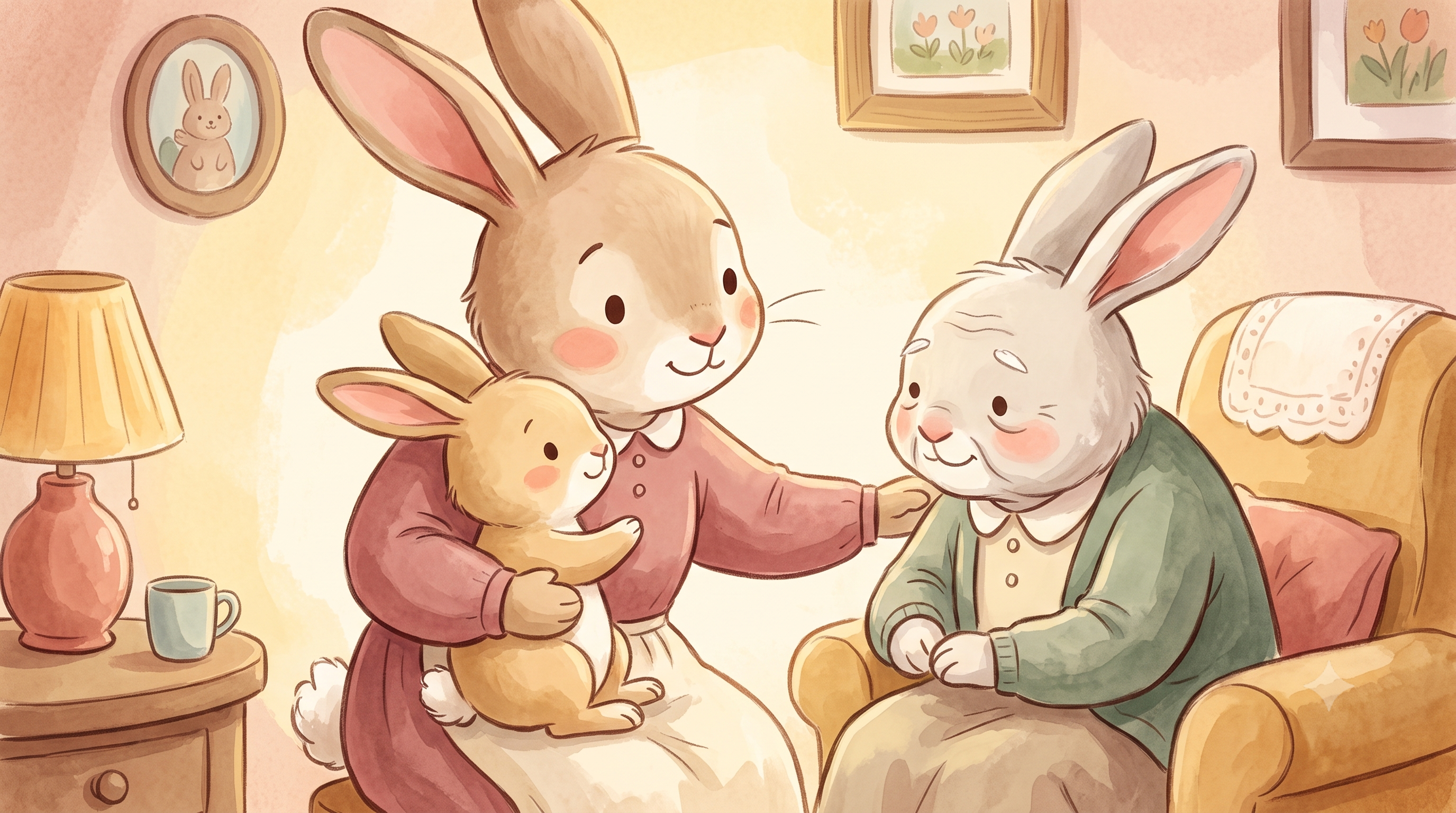
Tell your child simply and honestly: Grandma's brain sickness means she now needs helpers nearby all day and night, so she is moving to a special home where people can look after her. Reassure them it is nobody's fault, that she still loves them, and that they can still visit and stay close.
Tell your child simply and honestly: Grandma's brain sickness means she now needs helpers nearby all day and night, so she is moving to a special home where people can look after her. Reassure them it is nobody's fault, that she still loves them, and that they can still visit and stay close.
When should I tell my child about the move?
Try to tell your child once the decision is settled, and before moving day. Children notice when grown-ups are whispering or upset. Not knowing can feel scarier than the truth.
For most children, a few days to a week of notice is enough. Very young children have a short sense of time, so a long wait may stir up worry. Older children may want more time to ask questions and say goodbye to the old house, if the grandparent is leaving a family home.
Pick a calm moment when you are not rushed. Sit close. Keep the first talk short, then let your child come back with questions.
What words can I use to explain it?
Use the same simple language you have used before. If your child already knows that dementia is a sickness in the brain, build on that.
"You know how Grandma's brain is sick, and that's why she forgets things and gets mixed up? The sickness has made it harder for her to be safe at home, even with us helping. So Grandma is going to move to a special home where there are helpers awake all day and all night. They know a lot about looking after people with dementia."
You might also explain what the place is like:
"It's a bit like a house with lots of bedrooms. Grandma will have her own room, and she can bring her favorite blanket and photos. There will be other grown-ups who live there too, and nurses and helpers to look after everyone."
Avoid words that might confuse or frighten, like "sending her away" or "putting her in a home." Stick with "moving" and "a home where people can help her."
If you have read the Rosemary Rabbit picture book together, it can be a gentle way back into the bigger conversation about why things are changing.
What worries do children have about a care home move?
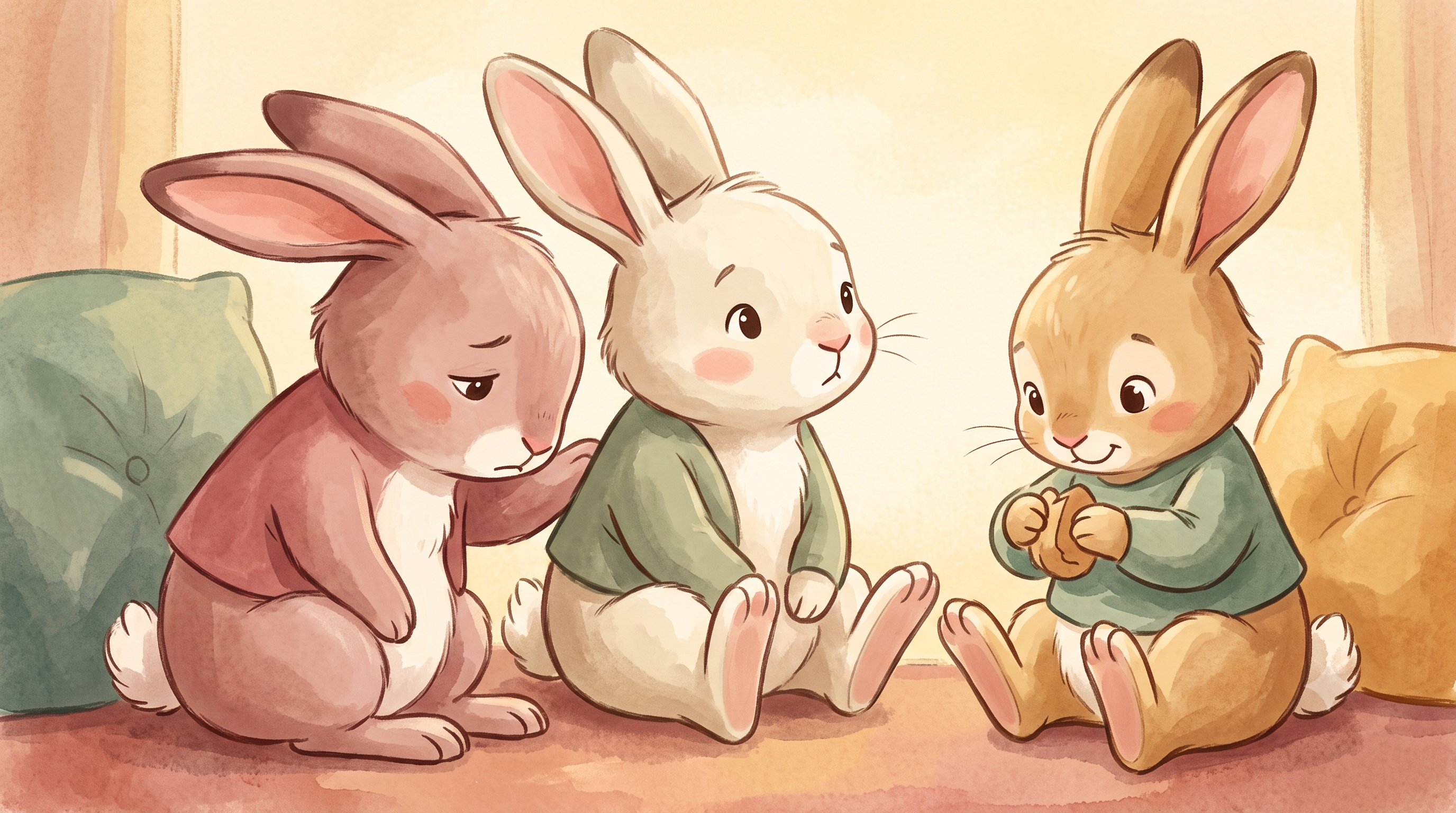
Children often have worries they do not say out loud. It helps to answer them before they are asked.
Your child may wonder / You could say:
- "Is it my fault?" — "No. Nothing you did or said made this happen. It's because of the sickness."
- "Is Grandma being punished?" — "Not at all. This move is about keeping her safe and cared for."
- "Will she be lonely?" — "There will be people around her all the time, and we'll visit and call."
- "Will she forget me?" — "She may forget some things, maybe even names. That's the sickness, not how she feels about you."
- "Will this happen to you?" — "I'm healthy, and lots of grown-ups never get dementia. If you're worried, you can always ask me."
Children may also feel guilty if they feel relieved. If a grandparent has lived with you, life at home may have been stressful. You can say:
"Lots of people feel a bit relieved and a bit sad at the same time. That's normal. It doesn't mean you love Grandma any less."
How can my child help with the move?
Having a small, useful job helps children feel less powerless. Choose tasks that fit their age.
Ideas your child might enjoy:
- Choose a photo of the two of them together for the new room.
- Make a picture or card to hang by the bed.
- Pick a soft item, like a cushion or a small toy, to keep Grandma company.
- Help make a "welcome" basket with familiar things, such as a favorite snack or hand cream.
- Record a short voice message or song for staff to play when Grandma seems lonely.
You can say:
"Grandma's new room will feel more like home if it has things she loves. What do you think we should bring?"
Keep moving day itself fairly calm. For many families, it works best if young children are not there for the busiest part. A first visit a little later, once Grandma has settled in, can feel gentler for everyone.
How can we stay close after the move?
Reassure your child that the relationship carries on. Talk about what visits might look like and how often you plan to go.
"We'll visit Grandma on Saturdays. You can bring your drawings and show her. If she seems tired or mixed up, we'll just sit with her and hold her hand. That still matters."
The first visits may feel strange. Grandma might be unsettled while she adjusts, and your child may notice new sounds, smells or other residents. Explain these things ahead of time. Our earlier articles on memory-care visits and on helping a child who is scared to visit go into more detail.
Between visits, small rituals keep the bond strong: a weekly call, a photo sent to staff, or a drawing mailed each week. If you live far away, our article on long-distance connection has more ideas.
Frequently asked questions
Should my child see Grandma's room before she moves?+
If it is possible and your child is curious, a short look can make the place feel less mysterious. Many children are just as comfortable seeing photos first.
What if my child refuses to visit at first?+
Do not force it. Offer other ways to connect, like a drawing or a voice message, and invite them again later. Interest often grows once the place feels familiar.
What if Grandma asks to come home during a visit?+
This is common and can be upsetting. Gently change the subject or comfort her, and afterward tell your child, "Grandma is still getting used to her new home. That's hard for her, but she's safe."
Will my child understand if they are very young?+
Toddlers and preschoolers need only a sentence or two, such as "Grandma lives in a new house now with helpers." Repeat it as often as they ask.