Telling Your Child's Teacher About a Grandparent's Dementia
In most cases, yes, it helps to tell your child's teacher when a grandparent has dementia. A short, private note lets the teacher understand changes in mood, focus or behavior, respond kindly to questions, and let you know what they notice. You decide how much to share, and your child can help decide too.

In most cases, yes, it helps to tell your child's teacher when a grandparent has dementia. A short, private note lets the teacher understand changes in mood, focus or behavior, respond kindly to questions, and let you know what they notice. You decide how much to share, and your child can help decide too.
Why would a teacher need to know?
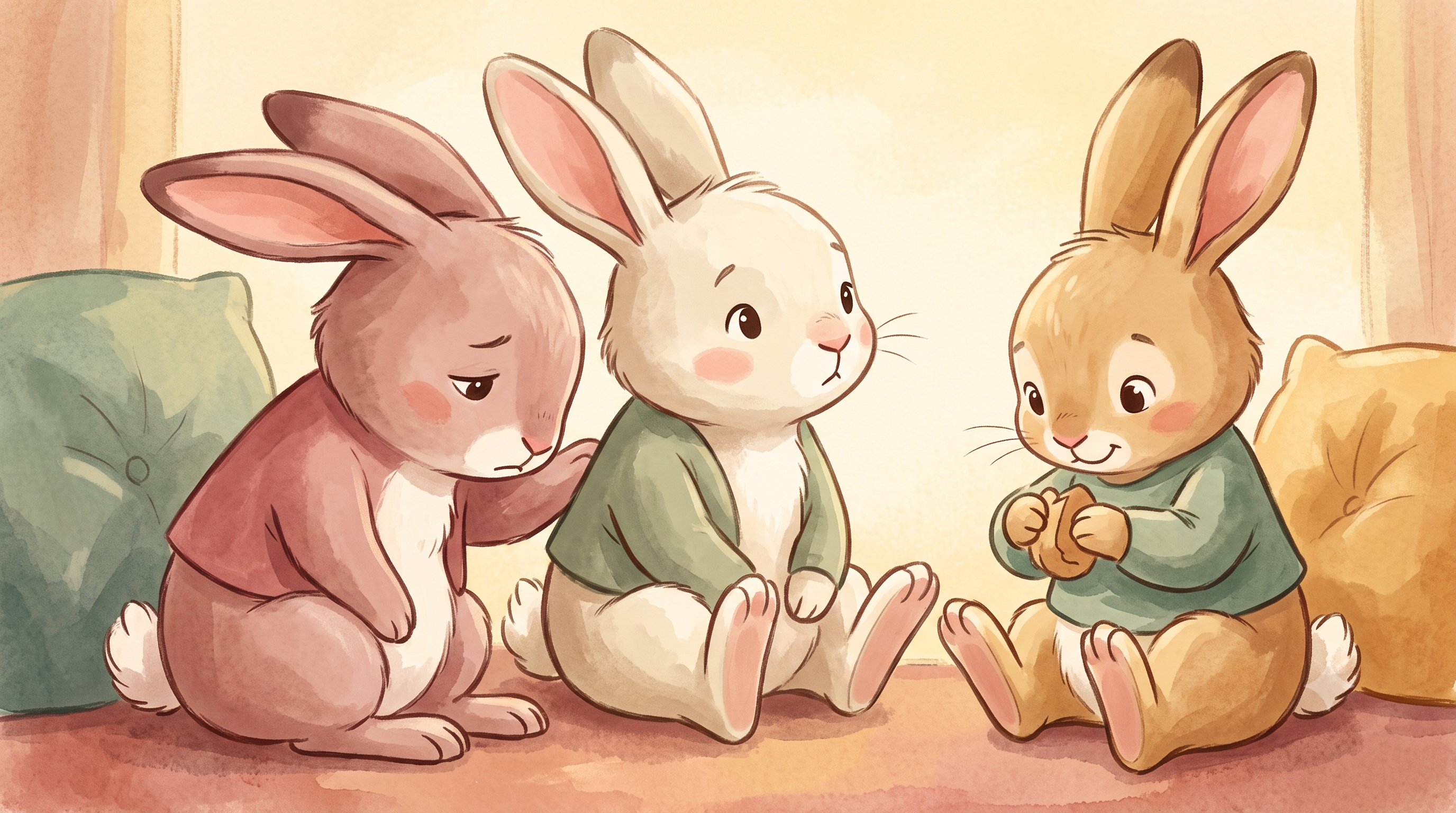
Children spend a big part of their day at school. Worry from home often shows up there, even when a child seems fine at the dinner table. A child might daydream more, cry over small things, act silly, snap at a friend, or say they have a tummy ache. Some children become extra quiet and helpful. None of this is unusual.
When a teacher knows about a grandparent's dementia, they can read these signs with kindness instead of guessing. They can also notice when a child is struggling and tell you, so you are not the only one watching.
There are practical reasons, too. Your family's routines may shift. You might pick up late after a care visit, or your child might miss a day for a family gathering. A teacher who knows the background is more likely to be flexible.
What should I tell the teacher?
You do not need to share medical details. A few plain facts are enough. Think of it as giving the teacher a small map, not the whole story.
Useful things to include:
- Who is ill: "Maya's grandma has dementia."
- What has changed at home: "Grandma moved in with us," or "We are visiting her more often."
- What your child knows: "We've told Maya that Grandma's brain is sick and that's why she forgets things."
- What you have noticed: "Maya has been more tired and teary in the mornings."
- How to reach you: the best way to share news, worries or small wins.
A short email or a quick meeting both work. Here is a simple script you can adapt:
"I wanted to let you know about something going on at home. Sam's grandpa has dementia, and things have been changing. We've explained that Grandpa's brain is sick, so he sometimes forgets or gets confused. Sam is doing okay, but he's been a bit more worried lately. If you notice anything, or if he brings it up, I'd be grateful if you'd let me know."
If the school has a counselor, you can ask whether they would like to know as well.
Should I ask my child first?
It is a good idea to include your child, in a way that fits their age. Younger children may simply like to know that their teacher understands. Older children often care a lot about privacy, especially around friends.
You might say:
"I'm going to tell Ms. Lopez that Grandma is sick. That way, if you feel sad at school, she'll understand. Is that okay with you?"
If your child seems unsure, ask what worries them:
"What would make it feel okay? We can ask her to keep it just between grown-ups."
Let your child know the difference between a teacher knowing and the whole class knowing. Some children are happy to share their news at circle time or in a show-and-tell. Others would hate that. Both are fine. Pass their wishes on to the teacher.
You can also give your child words to use at school if they want them:
"If a friend asks, you can say, 'My grandma has a sickness in her brain that makes her forget things. You can't catch it.'"
How can school and home work together?
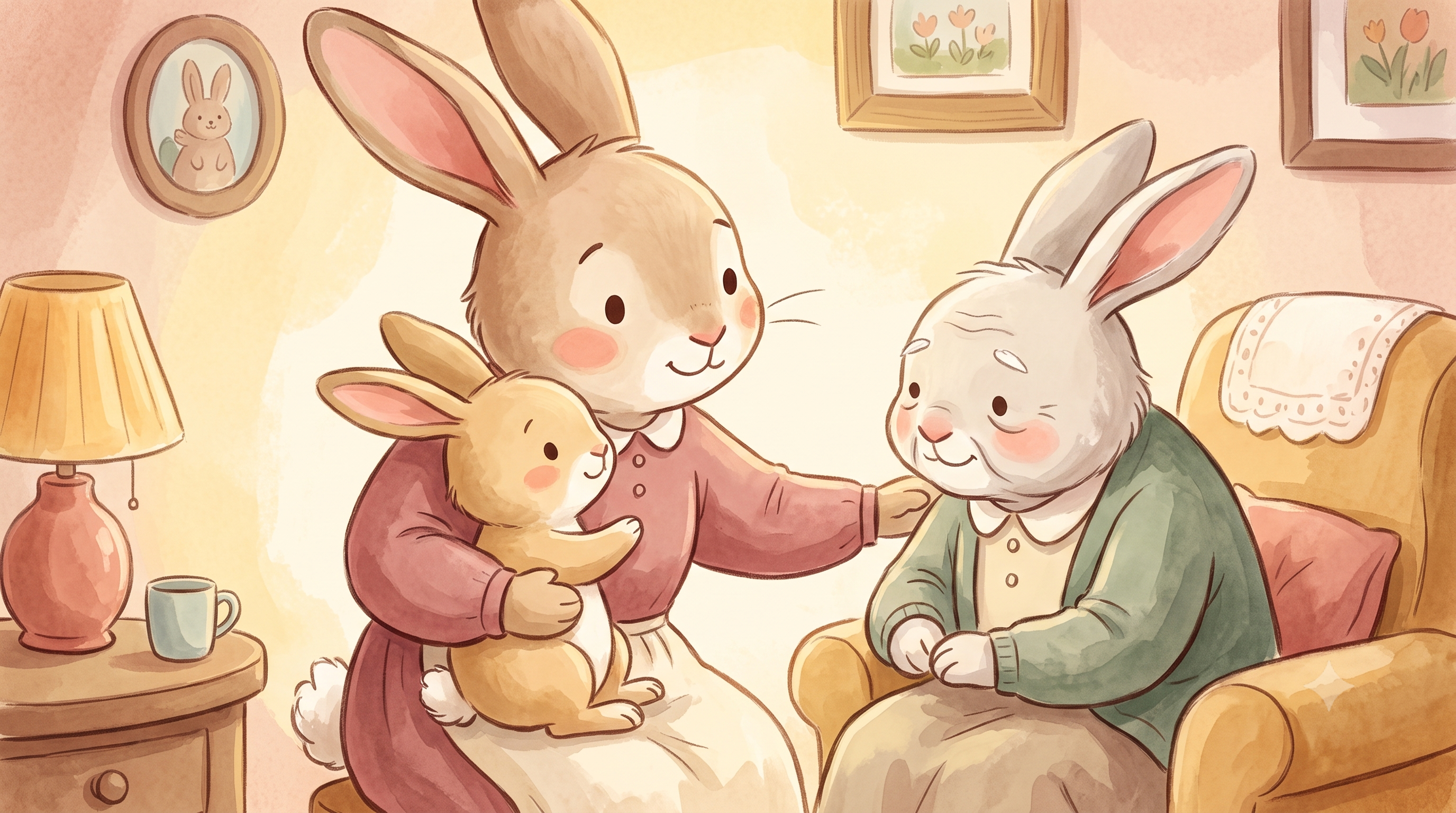
Children feel safest when the grown-ups around them say the same things. If you have explained dementia using particular words, share those words with the teacher. If you have used the Rosemary Rabbit picture book at home, you can mention that it is part of how your family talks about it.
Some simple ways to stay connected:
- Agree on language. "Grandpa's brain is sick" is clearer for little ones than "he's losing his mind."
- Share small updates. A note like "Big visit to Grandma this weekend" helps the teacher understand a tired Monday.
- Ask what they see. "Have you noticed any changes in how she's playing or working?"
- Plan for hard days. Agree on a quiet signal or a calm corner your child can use if they feel overwhelmed.
Teachers are busy, so keep messages short. A sentence or two is plenty.
What if my child's behavior changes at school?
Behavior is often how children show feelings they cannot yet name. If the teacher reports changes, try not to treat it as trouble first. Treat it as a message.
At home, you could gently open a conversation:
"Your teacher said you seemed sad today. I wonder if you were thinking about Grandpa. I think about him a lot too."
Or, for a child who has been acting out:
"It sounds like today felt really big. Sometimes when we're worried, our bodies feel wiggly or cross. That's okay. Let's figure out what might help."
If changes last for weeks, affect sleep or eating, or seem to be getting worse, talk with your child's doctor or the school counselor. Getting support early is a strength, not a failure.
Our earlier articles on helping a child who is scared to visit and on big feelings may also help here.
Frequently asked questions
Will telling the teacher make my child feel singled out?+
Not if you agree on how private it stays. Most teachers handle family news discreetly. Ask them to check in quietly rather than in front of classmates.
Do I need to tell every teacher, coach or after-school leader?+
Start with the adult who spends the most time with your child. Then share with others if your child seems affected in those settings, or if schedules will change.
What if the grandparent lives far away?+
It can still matter. Distance can bring its own worry and sadness, and long calls or trips may shift routines. A short note keeps the teacher in the loop.
How often should I update the teacher?+
Share news when something changes, such as a move, a hospital stay or a hard visit. A brief check-in each term is also a nice way to keep the door open.