Young Carers: When Your Child Is Helping Too Much
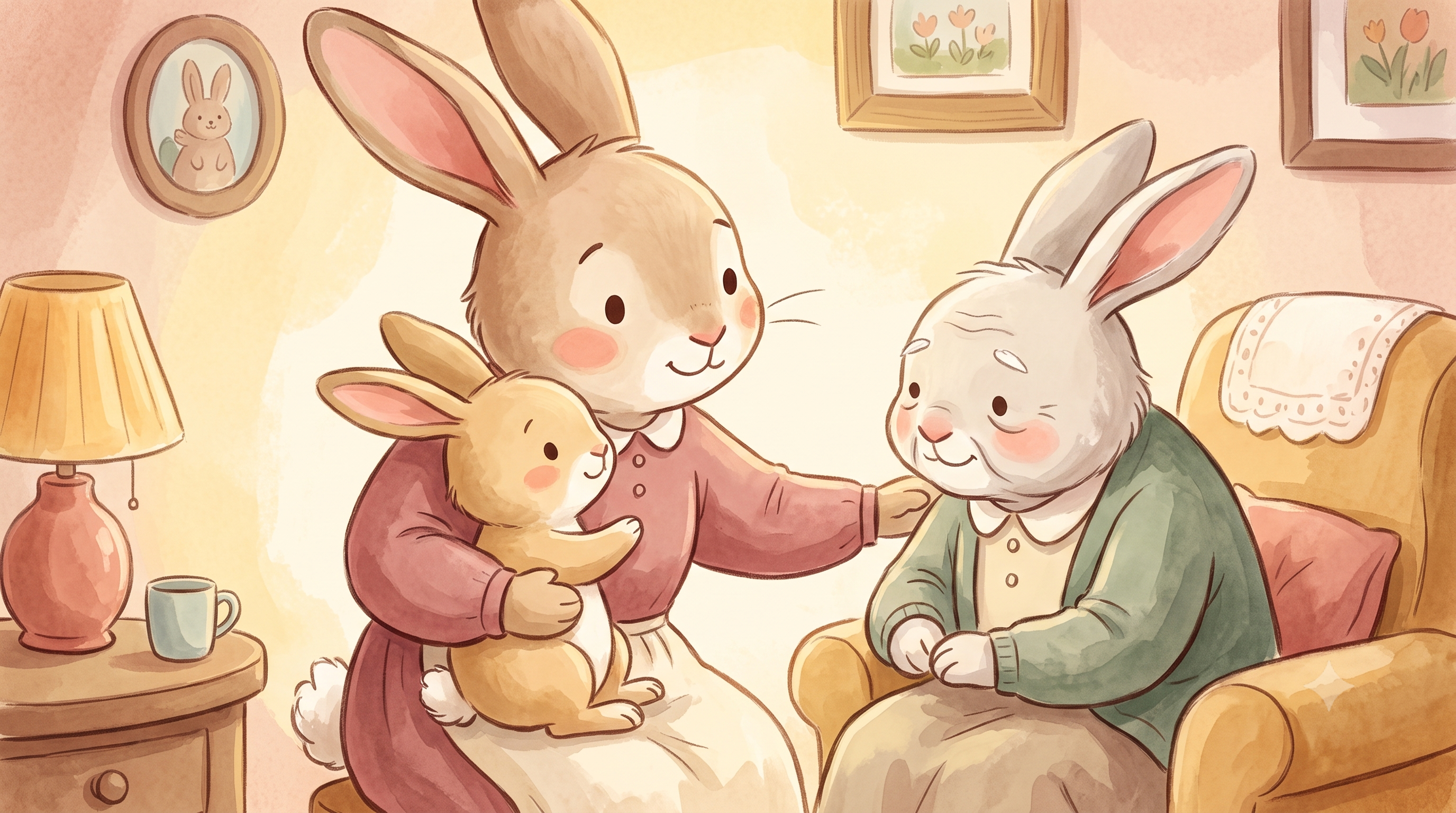
Kids who help a grandparent with dementia usually do it out of love. They fetch the glasses, remind Grandpa to eat, sit with him so Mom can make a phone call. Most of that is good for them. It builds empathy and gives them a way to feel useful when a lot of things feel out of control.
Kids who help a grandparent with dementia usually do it out of love. They fetch the glasses, remind Grandpa to eat, sit with him so Mom can make a phone call. Most of that is good for them. It builds empathy and gives them a way to feel useful when a lot of things feel out of control.
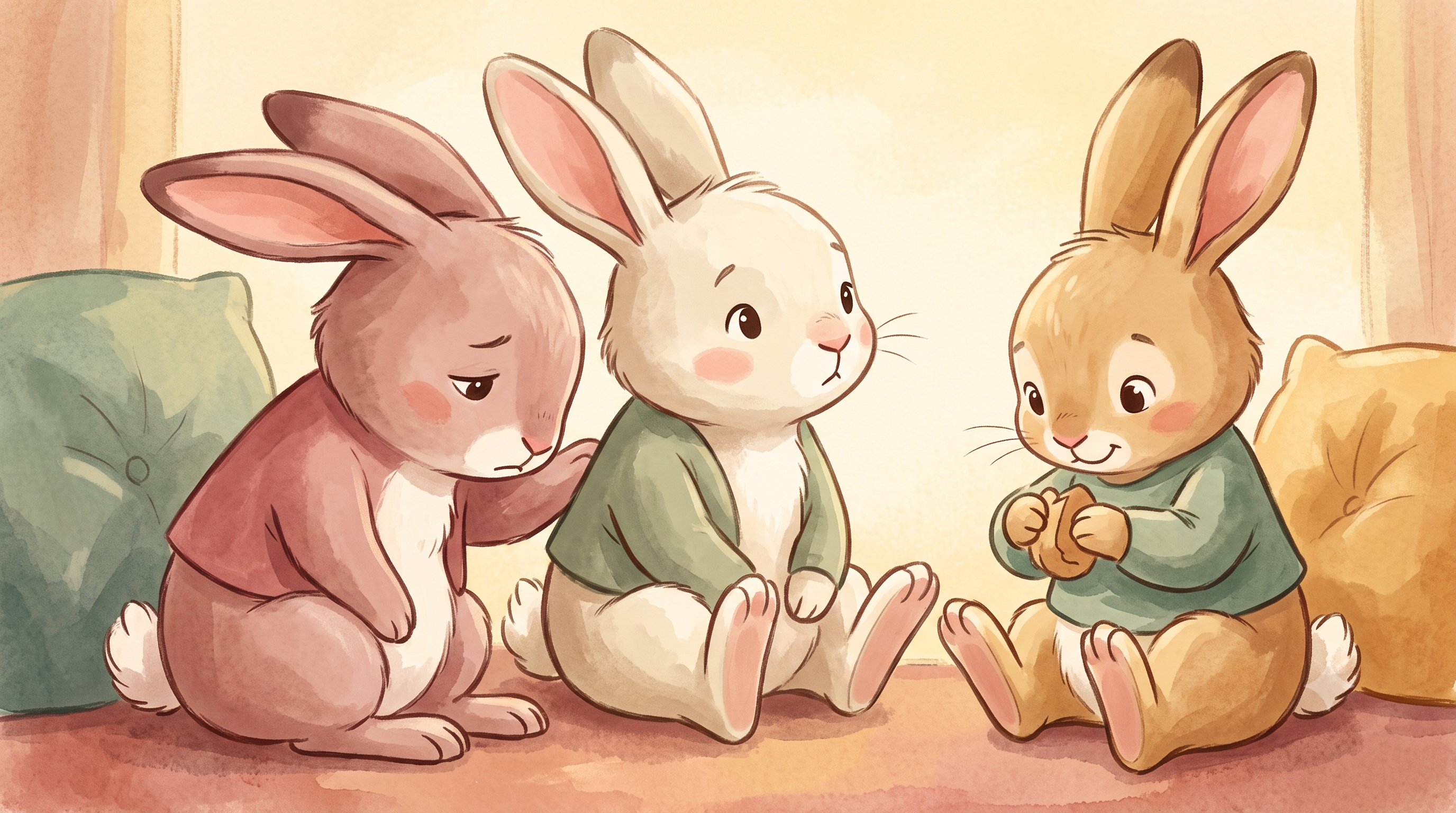
But there's a point where helping turns into a job, and some kids pass it without anyone noticing, including the parents who love them.
How many kids are caregivers?
More than most people assume. Estimates vary because it's hard to count, but research from AARP and the National Alliance for Caregiving put the number of US caregivers under 18 at around 5.4 million in 2020, according to a white paper from the American Association of Caregiving Youth. A 2024 University of Pennsylvania analysis of national time-use data came in lower, at roughly 1.6 million youth caregivers, and found that caregiving was associated with lower school enrollment. Either way, it's a lot of kids, and dementia in a grandparent is one of the common reasons.
In the UK and Australia, "young carer" is a recognized term with school programs and support services attached. The US is catching up slowly, which means American parents usually have to spot it themselves.
What does healthy helping look like?
Healthy helping is small, shared and optional. It sits alongside a normal childhood instead of replacing parts of it. Examples:
- Reading to Grandma or looking through photos together
- Helping set the table or carry the laundry basket
- Keeping Grandpa company for a few minutes while an adult is nearby
- Reminding him about lunch, then telling an adult if he doesn't eat
- Making cards, drawings or playlists for her
A useful test: could your child say "not today" without it causing a problem? If yes, it's probably helping. If the household would struggle without them, it's turned into caregiving.
What are the signs a child is doing too much?
Watch for these, especially over weeks rather than a single bad day:
- They're the default. The child is the one who always gets called when Grandma is upset, wandering or needs the bathroom.
- They're doing personal or medical care. Bathing, toileting, giving medicines, handling money. These are adult jobs.
- They're left in charge. Regularly supervising a grandparent alone, especially for long stretches or at night.
- School slips. Missed homework, falling grades, tiredness in class, being late.
- Their world shrinks. They stop seeing friends, drop activities or say they "can't" go out because they're needed.
- They act older than they are. Constant worry, a weirdly adult way of talking about the household, or reluctance to ever ask for anything for themselves.
- Their body complains. Headaches, stomachaches, trouble sleeping.
Kids who are doing too much rarely say so. Many feel proud of helping, or guilty at the thought of stepping back, or worried that complaining would make things harder for a parent who's clearly struggling.
Why does this happen in good families?
Almost always, it creeps up. A child helps once and it goes well. They get praised, which feels good. They get asked again. The grandparent responds well to them, so they get asked more. Six months later, a ten-year-old is the household expert on calming Grandpa down, and nobody ever made a decision about it.
Parents in this position are usually exhausted, not careless. If you spot it, you don't need to feel ashamed. You just need to rebalance.
How do we rebalance without hurting their feelings?
Start by thanking them, specifically and sincerely. Then make the change about protecting them, not about them doing something wrong.
"You've been amazing with Grandpa, and he loves having you around. But some of the things you've been doing are grown-up jobs, and that's not fair to you. We're going to get more help, and you can go back to being his grandkid, not his helper."
Then make it real:
- Move the adult jobs back to adults. Personal care, medicines, supervision and nighttime duty go to parents, relatives or paid help.
- Bring in outside support. Adult day programs, in-home care, respite care and other family members can share the load. The Alzheimer's Association Helpline (800-272-3900) can point you to options near you, and your local Area Agency on Aging can tell you about funded respite.
- Keep one chosen connection. Let your child keep the part of helping they enjoy, like the bedtime song or the afternoon walk, so stepping back doesn't feel like losing Grandpa.
- Put their life back on the calendar. Activities, friends and downtime get scheduled and protected.
Talk to the school
Teachers can't help with what they don't know about. A short, private note to your child's teacher or school counselor explaining that there's a grandparent with dementia at home, and that your child may be tired or distracted some days, can lead to a lot of quiet flexibility. Our guide on telling your child's teacher has a template you can adapt.
Support built for young carers
A few organizations work directly with kids in caregiving roles. The American Association of Caregiving Youth runs school-based programs, and many local hospices and Alzheimer's chapters run support groups for children. Even a single group session where a child meets other kids in the same situation can make a difference. Most young carers think they're the only one.
A quick check-in you can do tonight
If you're not sure where your child stands, try asking them to list everything they did for Grandpa this week. Don't react while they talk, just write it down. Then look at the list together and sort it into "kid jobs" and "grown-up jobs." Most kids find this oddly relieving. It gives them words for something they'd been feeling, and it lets you see the real load instead of guessing.
You might also ask: "Is there anything you do for Grandpa that you wish you didn't have to?" The answer is often surprisingly specific, like the bathroom trips or being the one who calms him at dinner. That's your starting point.
Feelings to expect
When a child steps back from caregiving, don't be surprised by mixed reactions. Relief, yes. But also guilt ("what if something happens when I'm not there?"), sadness, or even a bit of lost identity if being "the helper" became part of how they see themselves. Talk about it. Remind them that loving someone and looking after them aren't the same job, and that their job right now is being a kid who loves their grandparent.
If you're seeing anxiety, low mood or trouble at school that doesn't ease after a few weeks, talk to your pediatrician or a child therapist.
What young carers say they need
There's more research on children whose parent has dementia than on grandchildren, but what it finds is useful for any family. A UK study of young carers aged 11 to 18 whose parent had young-onset dementia found that few showed signs of depression, yet more than half reported a high level of burden. Most were fairly resilient. In other words, they were coping, and it was still heavy. Both things were true at once, which is a good reason not to assume a calm, capable child is fine.
Adolescents in a separate study said they found it easier to talk to someone who already understood their situation, and worried about juggling responsibilities and about their own future. A small 2025 Norwegian study of a course for young carers of a parent with dementia found the main thing participants valued was time to be young: meeting others in the same spot, learning about the illness, and getting a break from being the responsible one.
Those findings point to three practical things. Explain the illness properly, so your child isn't filling gaps with worry. Find them at least one person outside the family who gets it, whether that's a counselor, a support group or a cousin in the same situation. And make sure there is regular time when nobody needs anything from them.
Where to start
If you read this and recognized your child, start small this week. Pick one adult job they've been doing and take it back. Tell their teacher. Call the Alzheimer's Association Helpline about respite. Helping Grandpa can stay part of your child's life. Being responsible for him shouldn't be.
Frequently asked questions
What is a young carer?+
A young carer is a child or teen under 18 who regularly helps look after a family member who is ill, disabled or elderly. In the US, estimates range from about 1.6 million to 5.4 million youth caregivers, depending on how caregiving is defined.
How do I know if my child is doing too much caregiving?+
Warning signs include your child doing personal care or giving medicines, regularly supervising a grandparent alone, slipping grades, dropping friends and activities, and seeming constantly worried. A simple test is whether your child could say "not today" without the household struggling.
What jobs are okay for kids when a grandparent has dementia?+
Small, shared and optional things like reading together, keeping Grandma company with an adult nearby, setting the table, making cards and gentle reminders. Bathing, toileting, medicines, money and long stretches of supervision should stay with adults.