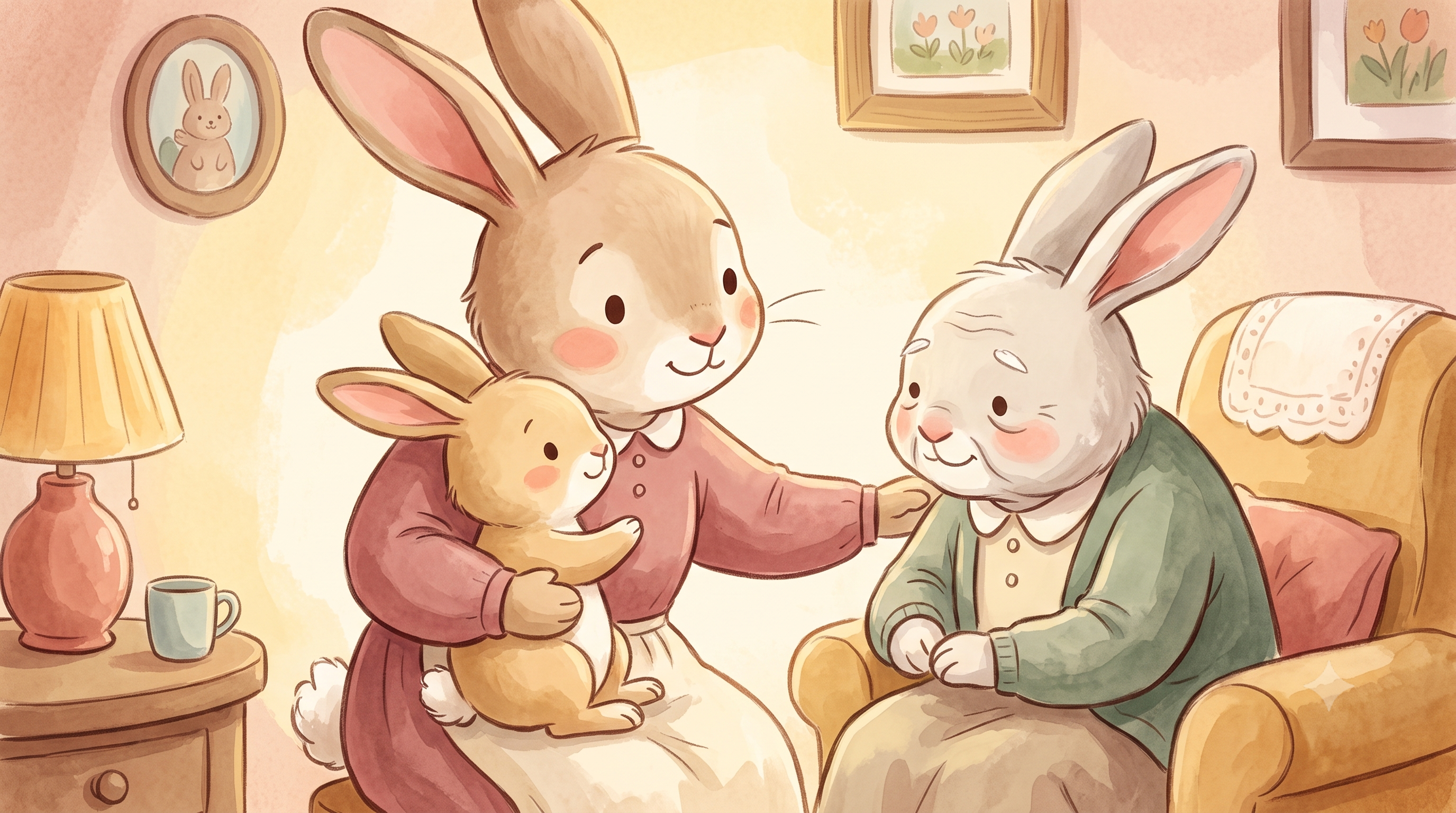
Visiting a Grandparent in Memory Care: A Family's Gentle Guide
Taking a child to visit a grandparent in memory care can be one of the most loving things a family does — and it goes best when you prepare a little, keep it short and sensory, and let go of the idea that it has to look a certain way.
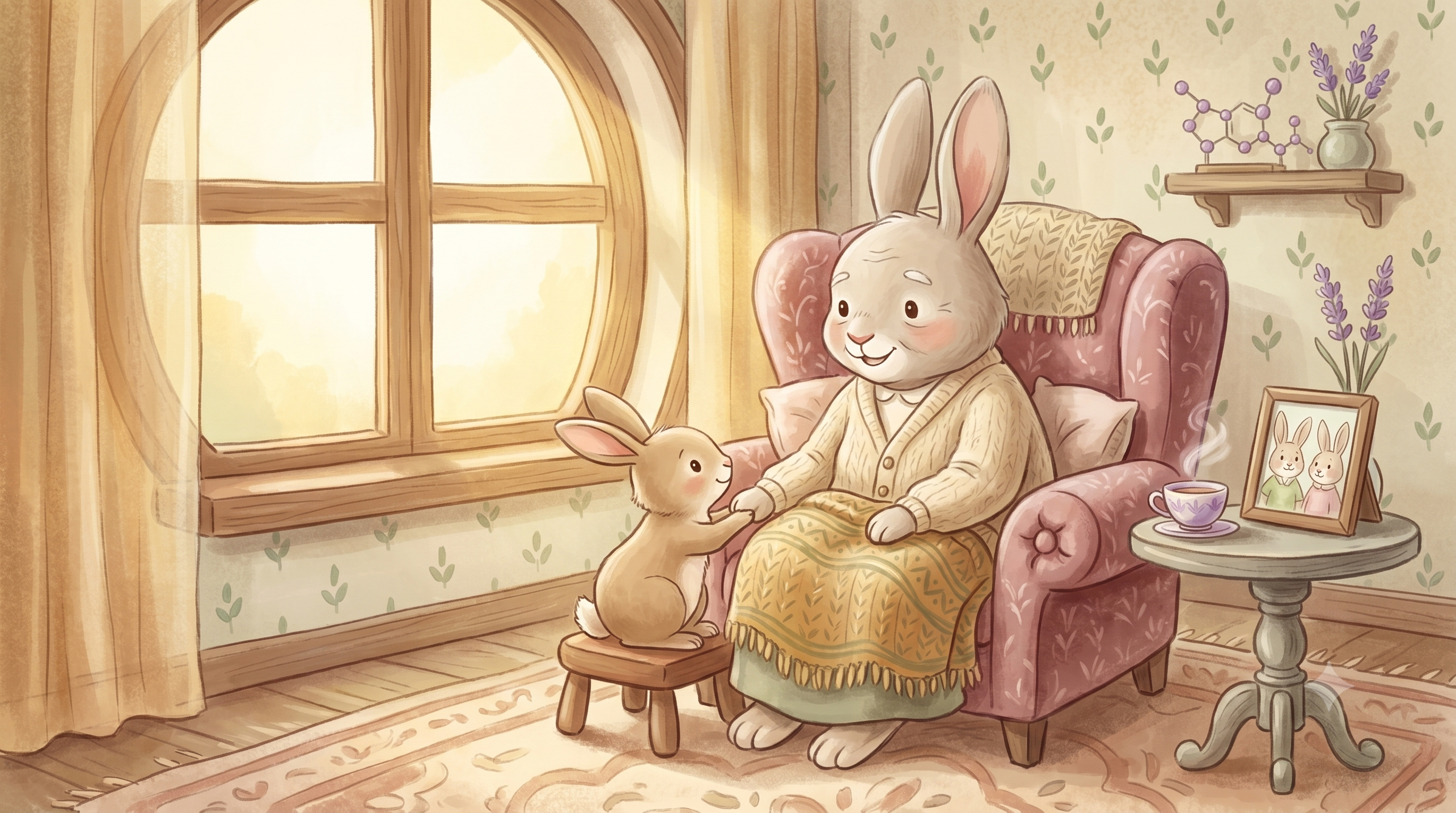
Taking a child to visit a grandparent in memory care can be one of the most loving things a family does — and it goes best when you prepare a little, keep it short and sensory, and let go of the idea that it has to look a certain way. Tell your child what to expect before you arrive, bring something simple to share, follow your grandparent's mood rather than a plan, and measure success by moments of connection, not by whether anyone is recognized. A good visit isn't a perfect one. It's a warm one.
If a visit is coming up and you're feeling unsure, here's a gentle guide to walk you through it.
How do you prepare a child before the visit?
A little preparation prevents a lot of confusion. Before you go, gently let your child know what they might see and feel, in words that fit their age. You might explain that Grandma lives in a special place where helpers take care of her, that she might seem sleepy or mixed up, that she might not remember names — and that none of it means she doesn't love them.
It helps to normalize the setting too. Memory-care communities can feel unfamiliar to a child: there may be other residents who seem confused, equipment, locked doors for safety. Naming these ahead of time — "there will be other grandmas and grandpas there, and some of them get mixed up too, and that's okay" — turns a strange place into an expected one.
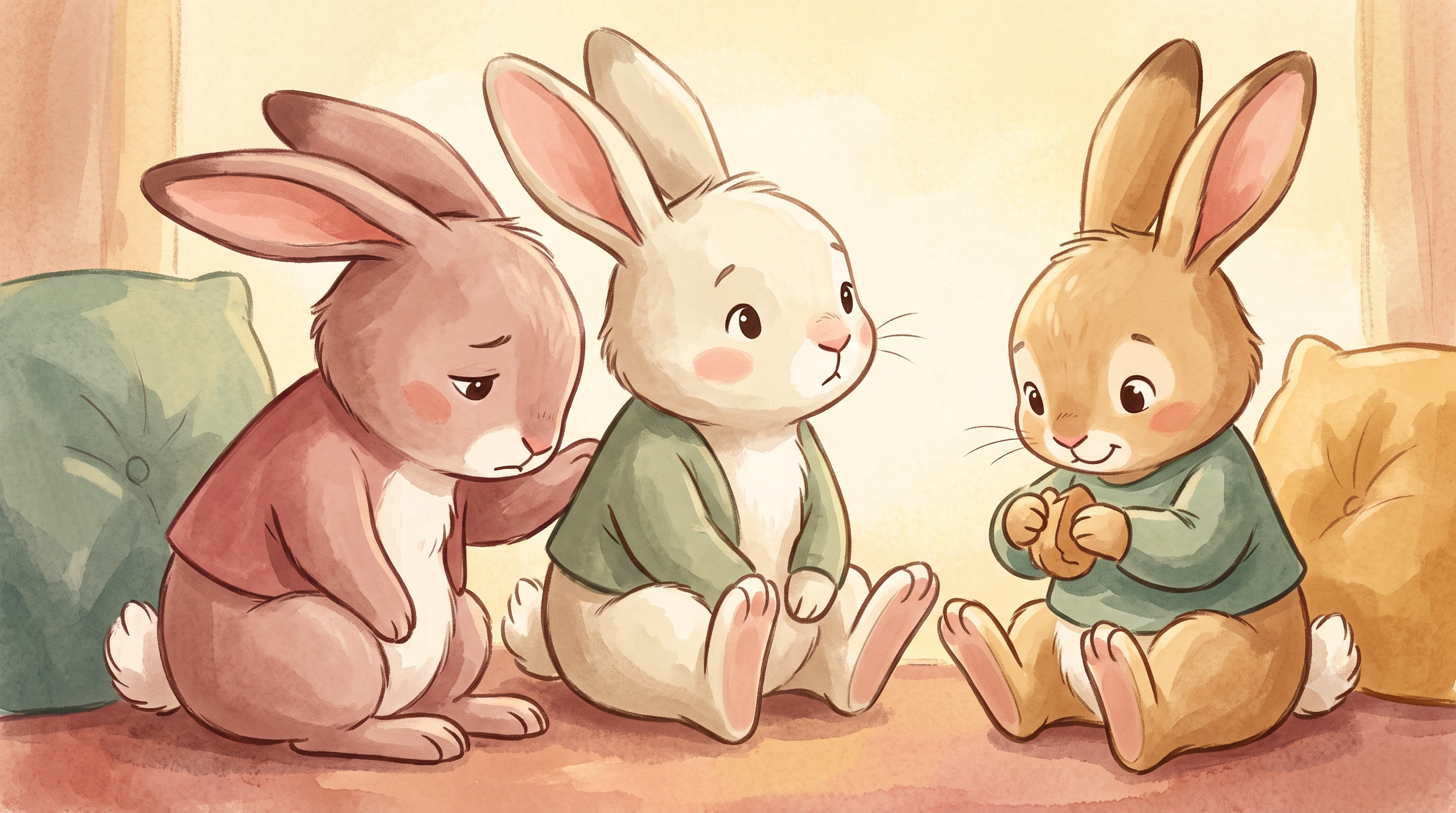
And give your child permission in advance: permission to feel shy, to take breaks, to not have to hug or perform. A child who knows they're allowed to just be there tends to relax into the visit.
What should you bring?
The secret to a good memory-care visit is usually something to do together, because connection through an activity sidesteps the pressure of conversation and recognition. A few things that travel well:
- A photo album or a few printed pictures. Familiar faces and old memories are often easier to reach than recent ones, and they give everyone something warm to talk about.
- Music. A favorite old song can light up a person with dementia like almost nothing else. Bring it, and don't be surprised by tears or sudden joy.
- Something sensory and simple. A soft blanket, a flower, a hand cream, a favorite snack (check with staff first). Gentle sensory comforts often reach a loved one when words can't.
- A small "job" for your child. A drawing to deliver, a flower to hand over, a song to play. A role gives a child purpose and eases nerves.
Keep it simple. The goal isn't to fill the time; it's to share a few good moments.
What can you expect during the visit?
Be ready for the visit to go nothing like a normal one, and let that be okay. Your grandparent may be quiet, repetitive, confused about who's who, or focused on something that isn't there. They may be cheerful one minute and tearful the next. Children take their cues from you, so your calm, easy acceptance teaches them that none of this is frightening — it's just how Grandpa is now.
Follow your loved one's lead rather than a script. If they enjoy looking at photos, linger there. If they drift, let them. If they call your child the wrong name, gently roll with it ("that's right, she's here to see you") rather than correcting, which can cause distress. Meeting them in their reality, instead of insisting on yours, is one of the kindest things you can model for a child.
And keep visits short. Twenty or thirty good minutes is worth far more than two strained hours. It's completely fine to leave while things are still going well.
How do you handle the hard moments?
Sometimes a visit brings a hard moment — a grandparent who's agitated, tearful, or doesn't recognize anyone, or a child who suddenly wants to leave. A few gentle responses:
- If your loved one becomes upset or agitated, stay calm, don't argue or correct, and gently shift to something soothing — a song, a photo, a walk, or a quiet goodbye. Staff are there to help; it's okay to lean on them.
- If your child gets overwhelmed, it's fine to step out, take a break, or end the visit. Honor their pace. Pushing through rarely helps.
- Afterward, make space to talk. In the car or at bedtime, invite your child's feelings: "How did that feel for you?" Let sadness, confusion, or even relief be okay. (Our guide on how to explain dementia to a child can help with the words, and when a grandparent forgets your child's name speaks to that particular ache.)
A gentle reminder
Visits like these ask a lot of you, too — you're holding your child's feelings and your own at the same time. Be as gentle with yourself as you're being with them. You don't need to orchestrate a beautiful visit. By simply showing up, staying warm, and letting your child see that love continues even as memory changes, you're giving both your child and your grandparent something quietly profound: the sense that they are still family, still connected, still loved.
That's the whole of it. Keep it short, keep it kind, follow their lead — and let a few good moments be enough.
Frequently asked questions
Should children visit a grandparent in memory care? In most cases, yes — these visits can be deeply meaningful for both the child and the grandparent. The keys are preparing the child for what they'll see, keeping visits short and activity-based, and following the child's comfort level rather than forcing closeness.
How do you prepare a child to visit someone with dementia? Explain ahead of time, in age-appropriate words, what they might see and feel: that the grandparent may seem sleepy or confused, may not remember names, and may live in an unfamiliar setting — and that none of it means the love is gone. Give them permission to feel shy or take breaks.
What should you bring when visiting a grandparent with dementia? Bring something to share: a photo album, familiar music, a simple sensory comfort, and a small "job" for the child like a drawing to deliver. Activities ease the pressure of conversation and create moments of connection that don't depend on memory.
Rosemary Rabbit helps families navigate memory, dementia, and love with warmth and honesty. Explore the book and join our community.