Little Helpers: Simple Ways Kids Can Support a Grandparent with Dementia
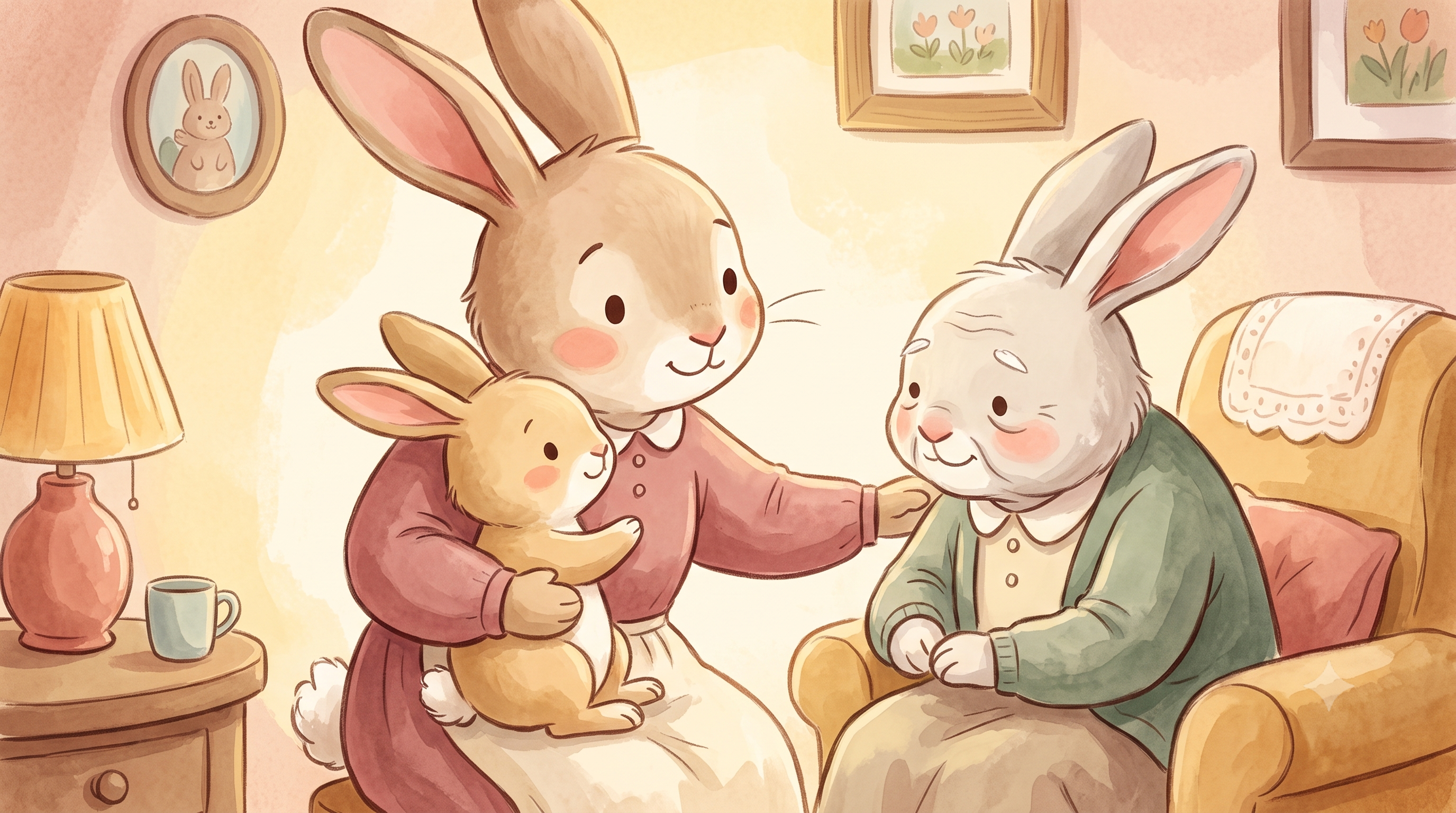
Kids can help a grandparent with dementia by doing small, calm things together: sorting socks, watering plants, looking at photos, holding a hand, or simply sitting close. The goal is not to fix the memory problem. It is to share time, give the grandparent a sense of purpose, and help the child feel useful instead of helpless.

Kids can help a grandparent with dementia by doing small, calm things together: sorting socks, watering plants, looking at photos, holding a hand, or simply sitting close. The goal is not to fix the memory problem. It is to share time, give the grandparent a sense of purpose, and help the child feel useful instead of helpless.
Why does helping make kids feel better?
Children notice when a grandparent changes, even before anyone explains it. They may see Grandma repeat a story or lose a word. Kids can feel worried or a little scared, and they often don't know where to put those feelings.
A small, real job helps. It tells a child, "You belong here, and you matter." It also gives the grandparent something many people with dementia value: time with family and the feeling of being needed.
You might say:
"Grandpa's brain is sick in a way that makes remembering hard. We can't make his brain better, but we can help him have a happy afternoon. Want to be my helper?"
If your child hasn't heard a simple explanation of dementia yet, start there. Our cornerstone article on explaining dementia to kids walks through it.
What are easy ways kids can help at home?
The best tasks are ones a grandparent and child can do together, at the same pace, with no right or wrong answer.
Age / Easy ways to help:
- 4–5 — Match socks, hand out napkins, carry a soft blanket, water a plant together
- 6–7 — Set the table, sort buttons or spoons, turn pages in a photo album
- 8+ — Read aloud, make a simple snack with an adult nearby, write a short note
A few tips:
- Keep it short. Ten calm minutes beats an hour that ends in frustration.
- Do it side by side. "Let's fold these together" works better than "Grandma, fold these."
- Praise the teamwork, not the result. A lopsided stack of towels is still a win.
A script your child can use:
"Grandma, can you help me with the socks? You do the blue ones and I'll do the red ones."
That small phrase invites a grandparent in without putting them on the spot.
How can kids help without quizzing Grandma's memory?
Many kids ask, "Do you remember me?" It comes from love, but memory questions can leave a grandparent embarrassed or upset. Our article on what to do when a grandparent forgets a child's name covers that moment in detail.
Teach your child to share instead of ask:
- Instead of "Do you remember my name?" try "Hi Grandpa, it's me, Maya!"
- Instead of "Remember the lake?" try "I loved going to the lake with you."
- Instead of "What's my dog's name?" try "I brought a picture of my dog, Biscuit."
Practice it as a game before a visit:
"Let's play 'tell, don't test.' I'll say a question, and you turn it into a telling sentence. Ready? 'Do you know who I am?'"
Kids usually catch on fast, and it gives them a tool they can use on their own.
What jobs should kids leave to grown-ups?
Children should help with connection, not with care. Some tasks are too big, and carrying them can create stress and guilt.
Leave these to adults:
- Giving or reminding about medicine
- Watching a grandparent near the stove, stairs, bath or front door
- Deciding whether a grandparent is safe or unwell
- Keeping secrets about a grandparent's behavior
Say it clearly:
"Your job is to be you: kind and fun. Keeping Grandma safe is the grown-ups' job. If anything feels strange or scary, come get me. You will never be in trouble for telling me."
That last sentence matters. Children sometimes stay quiet because they worry they did something wrong.
What if my child doesn't want to help?
Some kids jump right in. Others hang back, especially if a grandparent seems different. Both are normal. If your child feels nervous about visits, our article on helping a child who is scared to visit has more ideas.
Offer, don't push:
"You don't have to help today. You can sit with me, or you can draw a picture for Grandpa. Whatever feels okay is okay."
Try a "quiet job" for kids who need space, like choosing the music or arranging cookies on a plate. It still counts as helping.
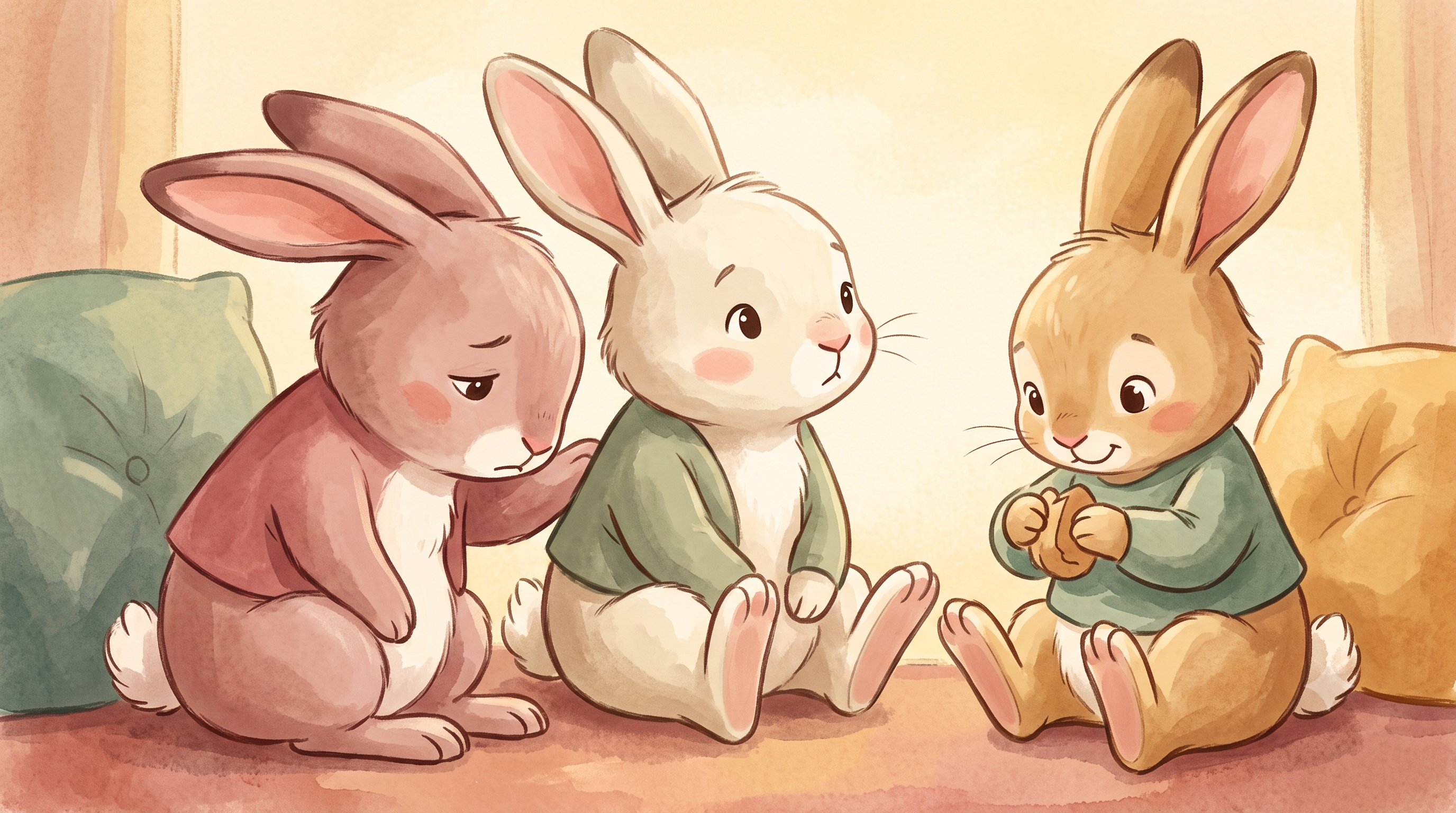
If your child gets frustrated or sad, name it and take a break:
"That was hard when Grandma didn't want to do the puzzle. It's not your fault. Her brain was tired. Let's get a snack and try something else later."
How can families keep kids helping over time?
Dementia changes over time, and so will the ways a child can help. A grandparent who enjoys baking now may later enjoy simply holding a warm mug while a child stirs. That is still sharing.
- Check in after visits. Ask, "What was the best part? Was anything confusing?"
- Update the jobs. Swap in easier tasks as needed, and explain why simply.
- Notice the effort. "You were so patient with Grandpa today. That was a real gift."
Reading a gentle story together can also help children see that their feelings are normal. The Rosemary Rabbit picture book was created to help young children understand a grandparent's dementia.
Frequently asked questions
What age can kids start helping a grandparent with dementia?+
Even preschoolers can help with small, safe tasks like handing out napkins or sharing a picture. Match the job to the child's age and keep an adult close by.
Should kids correct a grandparent who gets something wrong?+
Usually, no. Correcting can embarrass a grandparent and won't bring the memory back. Teach your child to go along with harmless mistakes and to tell a grown-up if something seems unsafe.
Is it okay if my child doesn't want to help?+
Yes. Some children need time to feel comfortable, and pushing can make them more anxious. Offer a quiet job or let them sit nearby until they're ready.
How do I explain why Grandma can't do things she used to?+
Keep it simple and honest: "Grandma has an illness called dementia. It makes her brain work differently, so some things are harder now." Remind your child it is nobody's fault and Grandma still loves them.