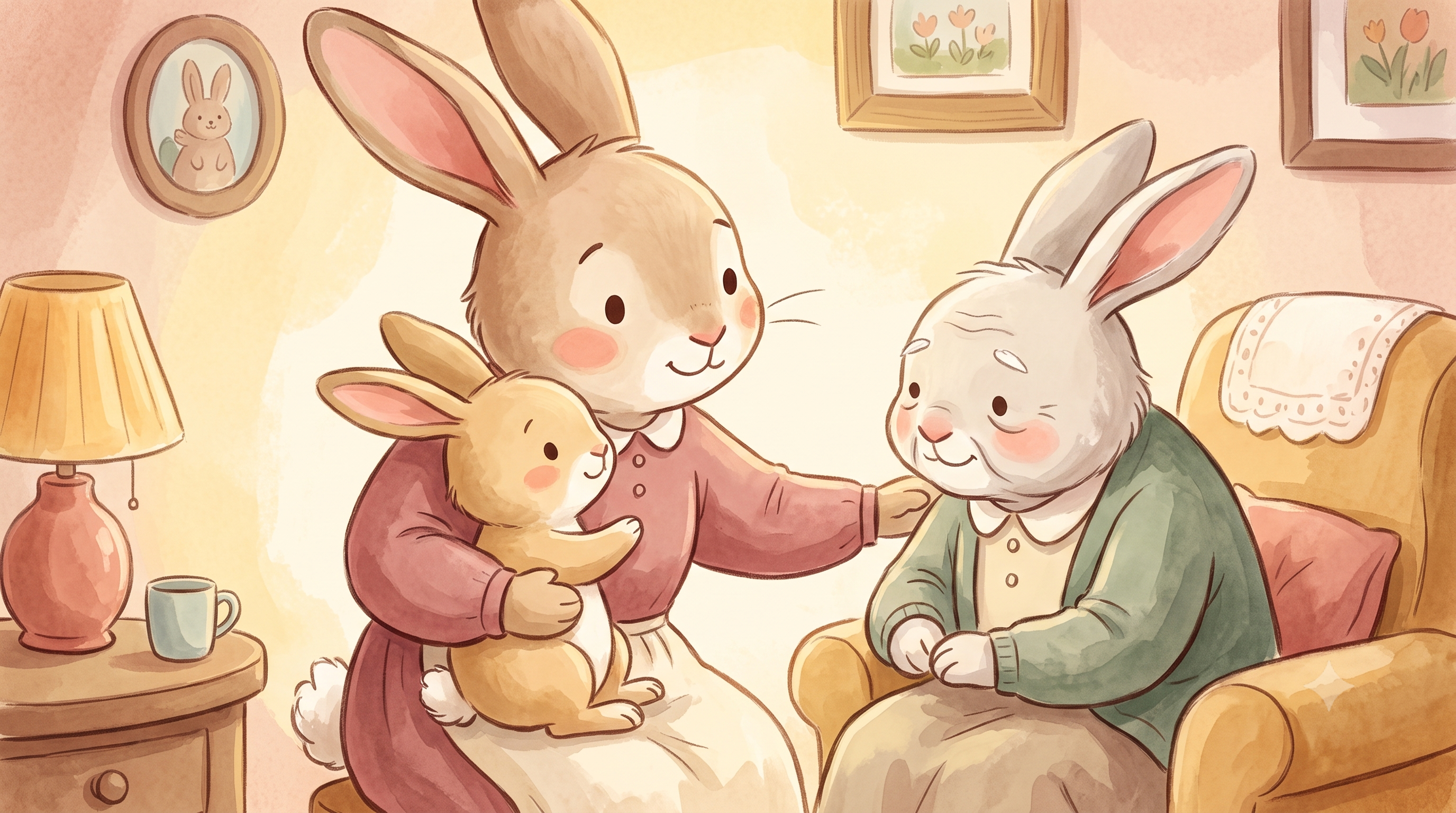
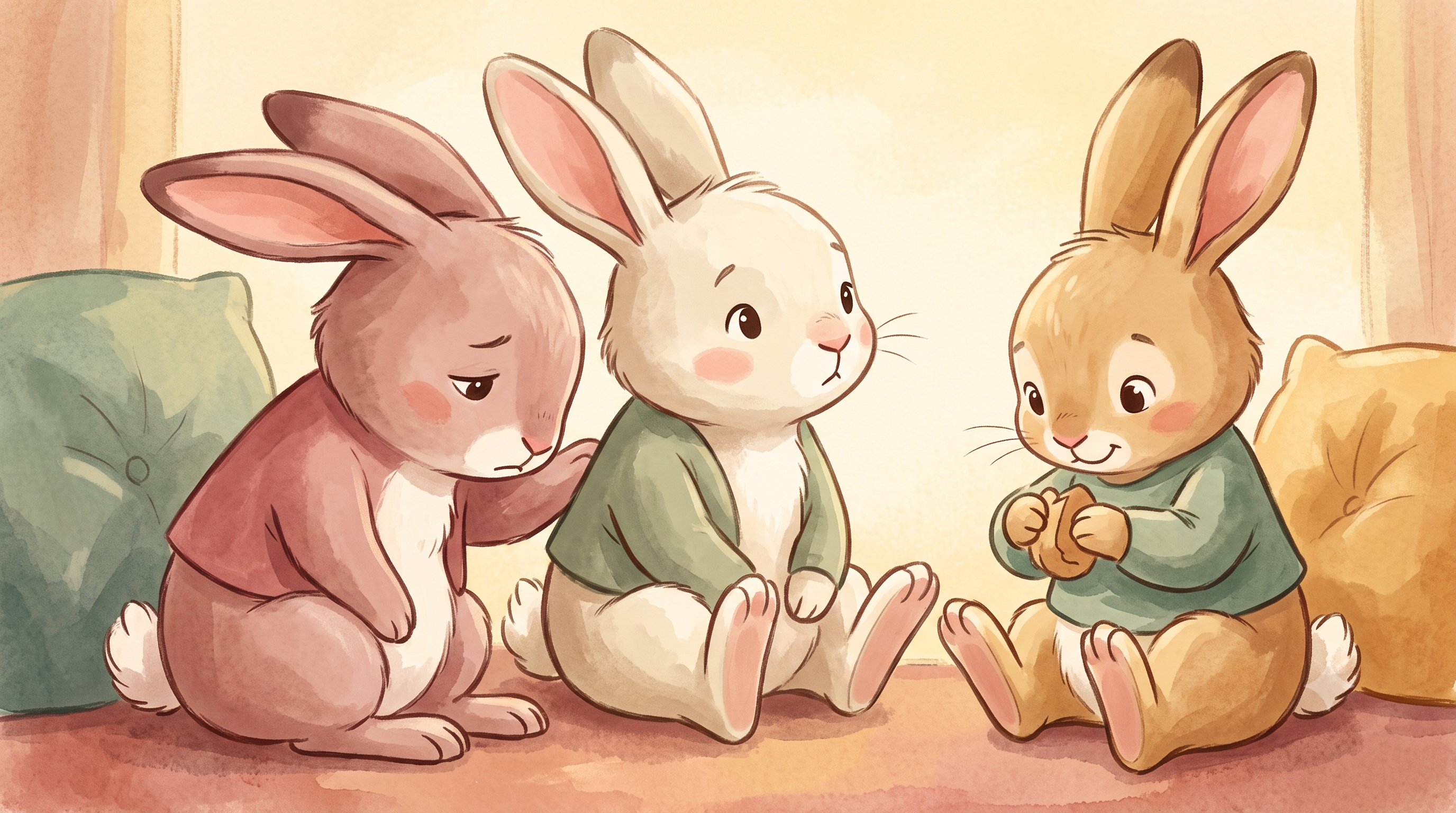
Big Feelings: Helping Kids Cope with Sadness, Frustration and Embarrassment
To help a child cope with a grandparent's dementia, name their feelings out loud, tell them every feeling is allowed, and give them simple ways to let feelings out, like drawing, talking or a calm-down breath. Keep routines steady, answer questions honestly, and remind them often that the illness is nobody's fault.

To help a child cope with a grandparent's dementia, name their feelings out loud, tell them every feeling is allowed, and give them simple ways to let feelings out, like drawing, talking or a calm-down breath. Keep routines steady, answer questions honestly, and remind them often that the illness is nobody's fault.
What feelings might my child have?
When a grandparent has dementia, children can feel many things, sometimes all in one afternoon. Common ones include:
- Sadness that Grandma doesn't play the way she used to.
- Frustration when she asks the same question five times.
- Worry that she might get sicker, or that a parent might get it too.
- Embarrassment when she says something odd in front of friends.
- Guilt about feeling any of the above.
- Jealousy that a parent spends so much time caregiving.
Children don't always say these feelings in words. A younger child may become clingy or have more tantrums. An older child may go quiet or seem irritable. Those are often feelings looking for a way out.
How do I talk to my child about their feelings?
Start by noticing and naming. You don't need to fix the feeling right away.
"You've been quiet since we visited Grandma. I wonder if you're feeling sad. I feel sad sometimes too."
Then give permission:
"All feelings are okay. You can be sad, mad, or even embarrassed, and still love Grandma very much."
Children often believe some feelings are wrong. A child who is annoyed by Grandma's repeating may feel like a bad grandkid. Say directly:
"It's normal to feel frustrated when Grandma asks the same thing again. That doesn't mean you're unkind. It means it's hard."
Keep your own words simple and short. Pause and let your child fill the silence. Sometimes the most important thing they say comes after a long quiet moment, often in the car or at bedtime.
How can I help with sadness?
Sadness is a natural response to change and loss. The goal isn't to make it go away, but to help your child carry it.
- Stay close. A hug or sitting together says a lot.
- Share your own feelings, briefly. "I miss how Grandma used to bake with us too."
- Focus on what's still possible. "Grandma still loves holding your hand. Let's do that next time."
- Create something. A drawing, a card or a memory book can turn sadness into connection.
A script for bedtime:
"Sometimes when we love someone and they change, we feel sad. That's because our love is big. Grandma is still here, and we can still love her in new ways."
How can I help with frustration and anger?
Frustration often shows up when a grandparent repeats things, gets confused, or snaps at the child. Kids need two messages: your feeling is fair, and here's what to do with it.
"It's frustrating when Grandma calls you the wrong name. You can feel mad. Let's take a big breath together, then we can go back in."
Give your child a few calm-down tools to practice at home:
Tool / How to do it:
- Smell the flower, blow the candle — Breathe in slowly through the nose, out through the mouth.
- Squeeze and let go — Squeeze hands into fists, count to three, then relax.
- Step-away spot — A chosen spot where your child can take a break during visits.
- Draw it out — Scribble or draw the angry feeling, then talk about it.
It also helps to let your child say what they don't like, out of Grandma's hearing. "I don't like when Grandma yells" is honest, not mean.
How can I help with embarrassment?
Embarrassment is common, especially for school-age kids. A grandparent might talk to strangers, wear mismatched clothes, or say something unexpected in public. Children may not want friends to visit.
Don't shame the feeling. Try:
"It can feel embarrassing when Grandma does something different in front of people. Lots of kids feel that. It's okay."
Then help them plan. Older kids might want a simple line to tell friends:
"My grandma has an illness called dementia. It makes her brain mixed up sometimes. She's really nice."
Let your child choose whether and when to share. Practicing the words at home builds confidence.
When should I get extra help?
Most children's feelings rise and settle with time, steady routines and loving support. Talk with your child's pediatrician or a counselor if you notice ongoing sleep trouble, lasting changes in eating, pulling away from friends, frequent stomachaches or headaches, or worries that seem to fill their days. Their school counselor can also be a helpful ally.
Look after yourself too. Children take cues from the adults around them. You don't have to hide every feeling, but showing that sad days can be followed by okay days teaches resilience.
Stories can help children see their own feelings from a safe distance. The Rosemary Rabbit picture book was made for families going through a grandparent's dementia and can open gentle conversations about feelings that are hard to say out loud.
Frequently asked questions
Is it okay to cry in front of my child about my parent's dementia?+
Yes, in small doses. It shows that sadness is normal and shared. Follow it with reassurance, such as "I'm sad, and I'm okay. We'll take care of each other."
My child says they don't want to visit Grandma anymore. What should I do?+
Ask gently what feels hard, and listen. Try shorter visits, a clear job to do, or a different way to connect, like a card or video call.
Should I keep my child away to protect them from sad feelings?+
Usually, gentle honesty and supported contact help more than distance. Children often imagine something scarier than reality. Let your child's comfort guide how much contact they have.
How do I explain that dementia isn't contagious?+
Be direct: "You can't catch dementia like a cold. Hugging Grandma is safe." Children often worry about this but don't ask, so it's worth saying even if they haven't.