When a Grandparent Forgets Your Child's Name: Gentle Things to Say
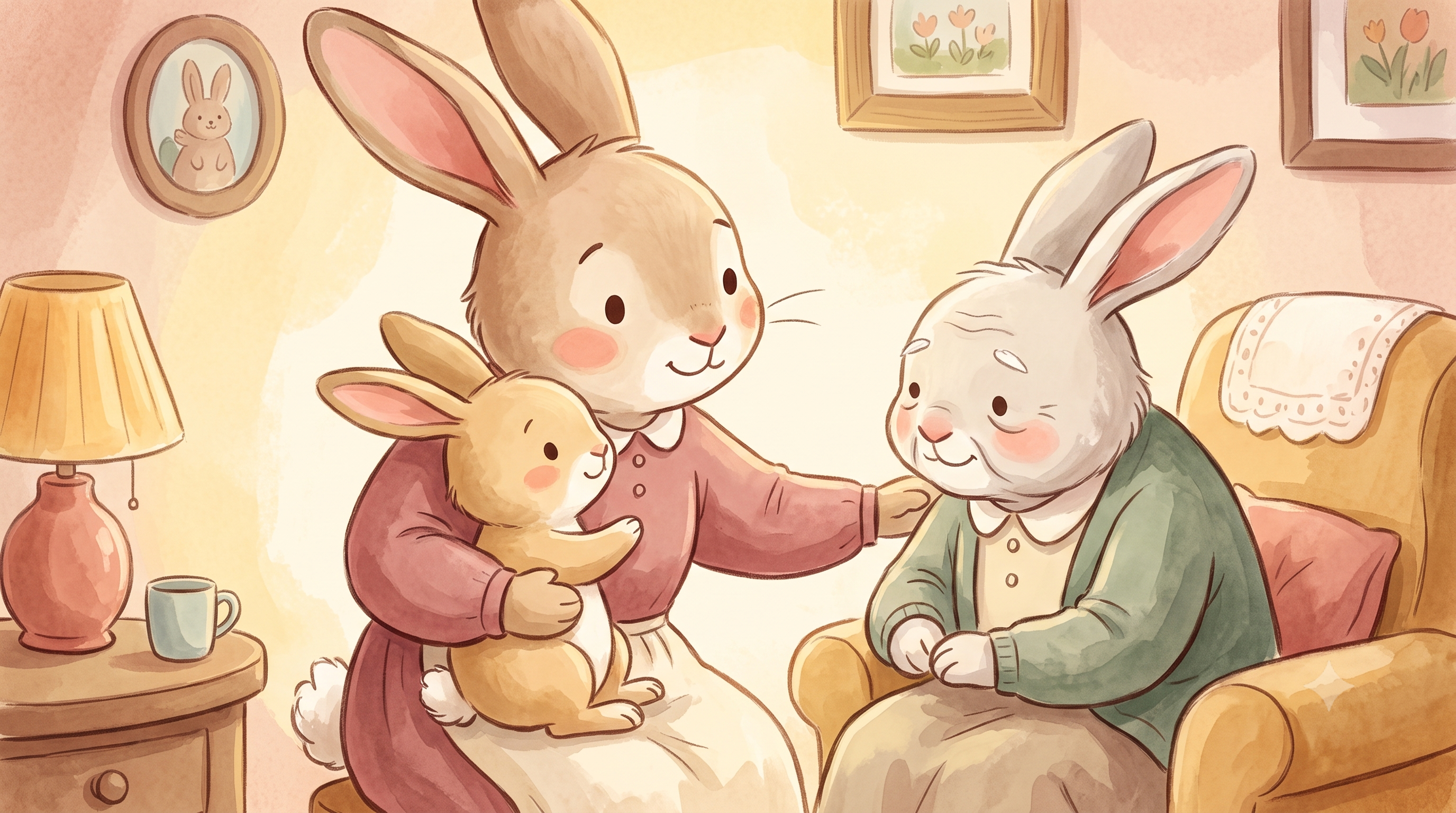
When a grandparent with dementia forgets your child's name, the kindest thing you can do is name the feeling and protect the bond: let your child know it's okay to feel sad or confused, that Grandma's brain is sick and it isn't anyone's fault, and that the love between them is still completely real — even when the name slips away.
When a grandparent with dementia forgets your child's name, the kindest thing you can do is name the feeling and protect the bond: let your child know it's okay to feel sad or confused, that Grandma's brain is sick and it isn't anyone's fault, and that the love between them is still completely real — even when the name slips away. You don't need perfect words. A calm, honest, reassuring response in the moment matters far more than getting the explanation exactly right.
If this just happened in your family, and you watched your child's face fall, this guide is for that moment — and the gentle conversations after it.
Why does it hurt so much?
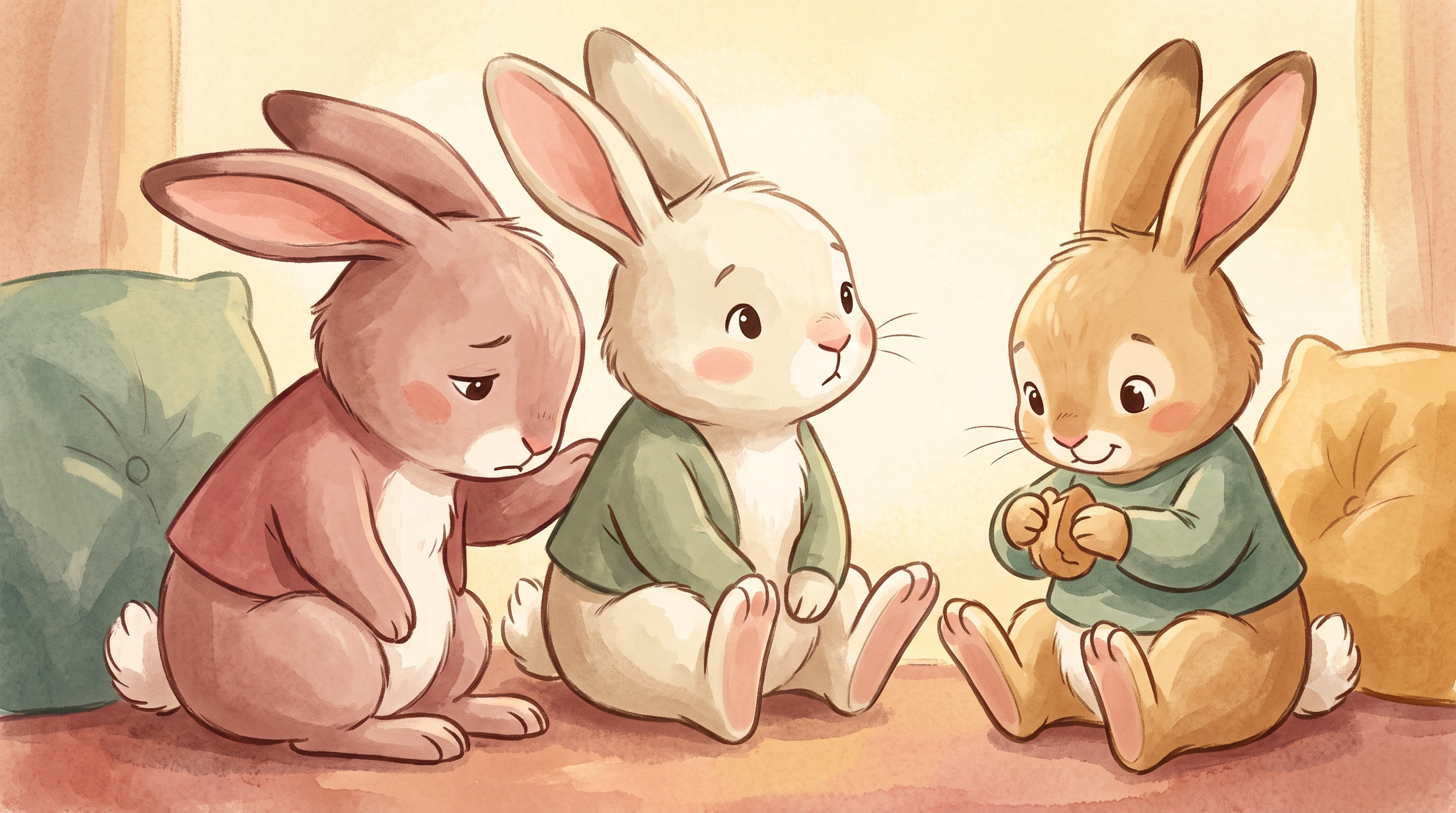
Because being known is one of the first ways children feel loved. When a grandparent doesn't recognize them or calls them by the wrong name, a child can quietly wonder whether they've been forgotten as a person — whether the love went away too. That's a frightening thought for a small heart, and children don't always have the words to say it out loud. They may go quiet, act out, cling, or insist they don't want to visit anymore.
Knowing that the hurt comes from this place — am I still loved? — tells you what your child most needs to hear. Not a medical explanation. Reassurance that the love is intact.
What can you say in the moment?
Right when it happens, keep it simple, warm, and steady. Your calm is the message. A few things that help:
- "Grandpa's brain has trouble remembering names right now, but look how happy he is to see you."
- "She might not remember your name today, but she still feels the love. Can you see her smiling at you?"
- "Remembering names is the part that's hard for him now. The part that loves you still works just fine."
Then, gently redirect toward connection: a shared activity, a song, looking at a photo, holding hands. Children feel reassured by doing something warm together far more than by being told everything is fine.
What can you say afterward?
Later — in the car, at bedtime, somewhere calm — you can give the feeling more room. Try naming it first: "It seemed like it made you sad when Grandma didn't know your name. That makes sense. It can feel sad." Letting the feeling be real, without rushing to fix it, is what helps it settle.
Then reconnect the two ideas children most need joined together:
It's the sickness, not them. "There's a part of Grandma's brain that holds names and facts, and that part is sick. It's not because you're not important — you're so important to her."
The love lives somewhere else. This is the heart of it, and children find it deeply comforting: "The feeling of loving you doesn't live in the part of the brain that's sick. That part stays. That's why she still lights up when she sees you, even when the name gets lost."
You can also gently lower the stakes around names altogether: "We don't need Grandpa to say your name for him to love you. We know he does — and we can keep loving him just the same."
How can you help your child stay connected?
The antidote to "she forgot me" is shared, in-the-present connection that doesn't depend on memory. A few ideas children love:
- Bring something to do together — a simple song, a picture book, a soft ball to roll, a photo album. Connection through an activity sidesteps the pressure of being recognized.
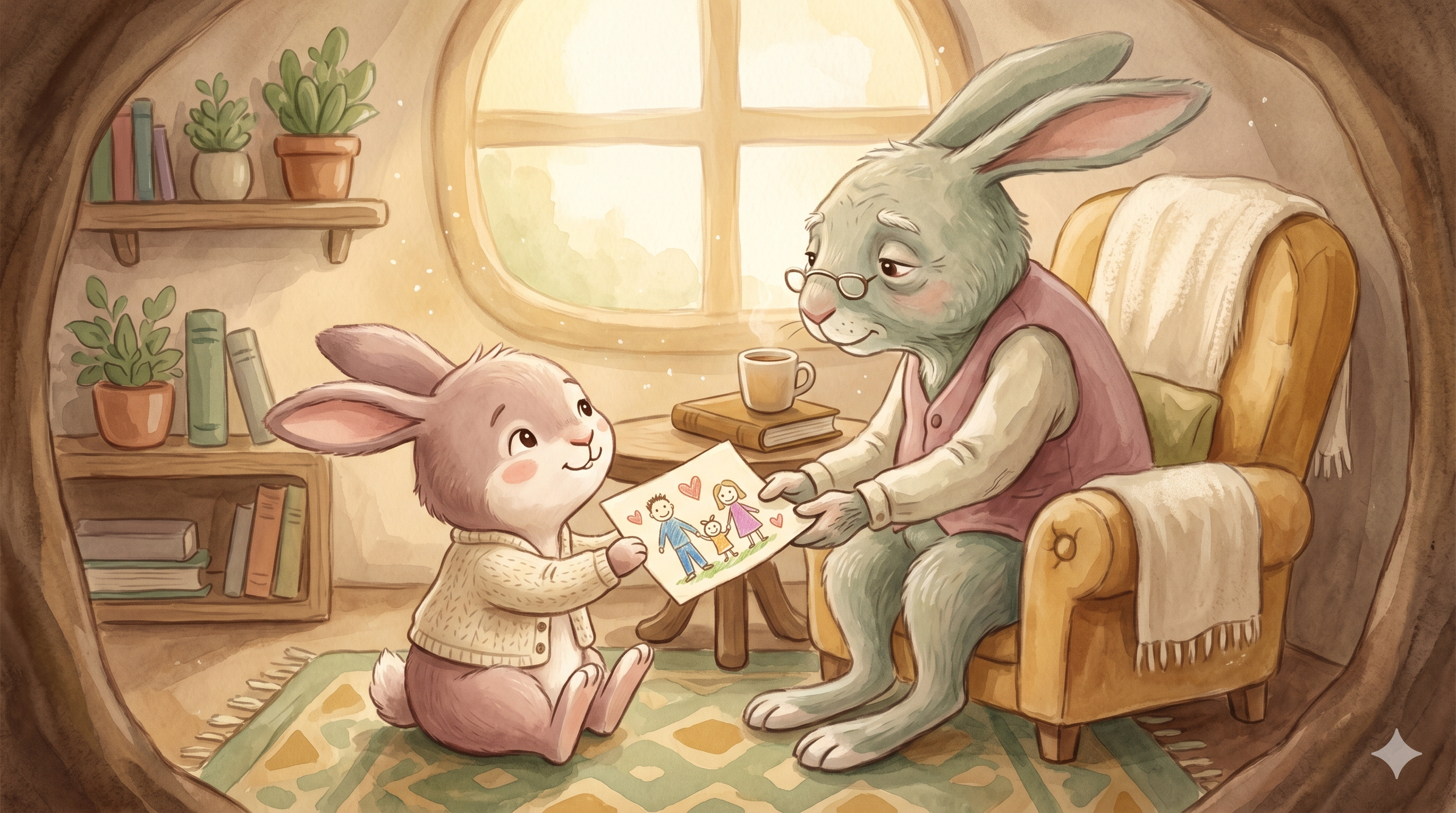
- Let your child be a helper. Small jobs — handing over a flower, choosing a song, showing a drawing — give a child a warm role and a sense of agency.
- Make a memory keeper. Older children sometimes find comfort in holding the memories for their grandparent: a little book of photos or drawings of things they've done together. It turns loss into something tender and active.
And remember: it's okay if some visits are short, or if your child needs a break. Forcing closeness rarely helps; following your child's pace usually does.
A gentle reminder for you
This is hard for you too. Watching your own parent forget your child can ache in a way that's tangled and deep — grief for them, protectiveness for your child, all at once. You're allowed to feel that. Children take their emotional cues from the adults around them, so caring for your own heart isn't separate from caring for theirs; it's part of it.
When a grandparent forgets a name, what your child most needs to learn is that love doesn't run on memory. Names can slip; the bond doesn't have to. With a few gentle words and a warm thing to do together, you can help your child carry that truth — and keep reaching for the grandparent they still have.
For a fuller, age-by-age approach to these conversations, see our guide on how to explain dementia to a child. And when a visit is coming up, visiting a grandparent in memory care has gentle, practical ideas.
Frequently asked questions
What do you say when a grandparent with dementia forgets a child's name? Keep it simple and reassuring in the moment: explain that the part of Grandma's brain that holds names is sick, that it isn't the child's fault, and that the love is still real. Then reconnect through a shared activity rather than dwelling on the name.
Why does it upset children when a grandparent forgets them? Being known is one of the first ways children feel loved, so being unrecognized can make a child quietly fear the love is gone too. Reassurance that the bond remains — not a medical explanation — is what they most need.
Should we still visit if the grandparent doesn't remember my child? Usually yes, at the child's pace and in short, low-pressure visits built around shared activities. Connection in the present moment — a song, a photo, holding hands — matters more than being recognized, and keeps the relationship alive for both of them.
Rosemary Rabbit helps families talk about memory, dementia, and love with warmth and honesty. Explore the book and join our community.