"Will I Get It Too?" Answering Children's Fears About Dementia
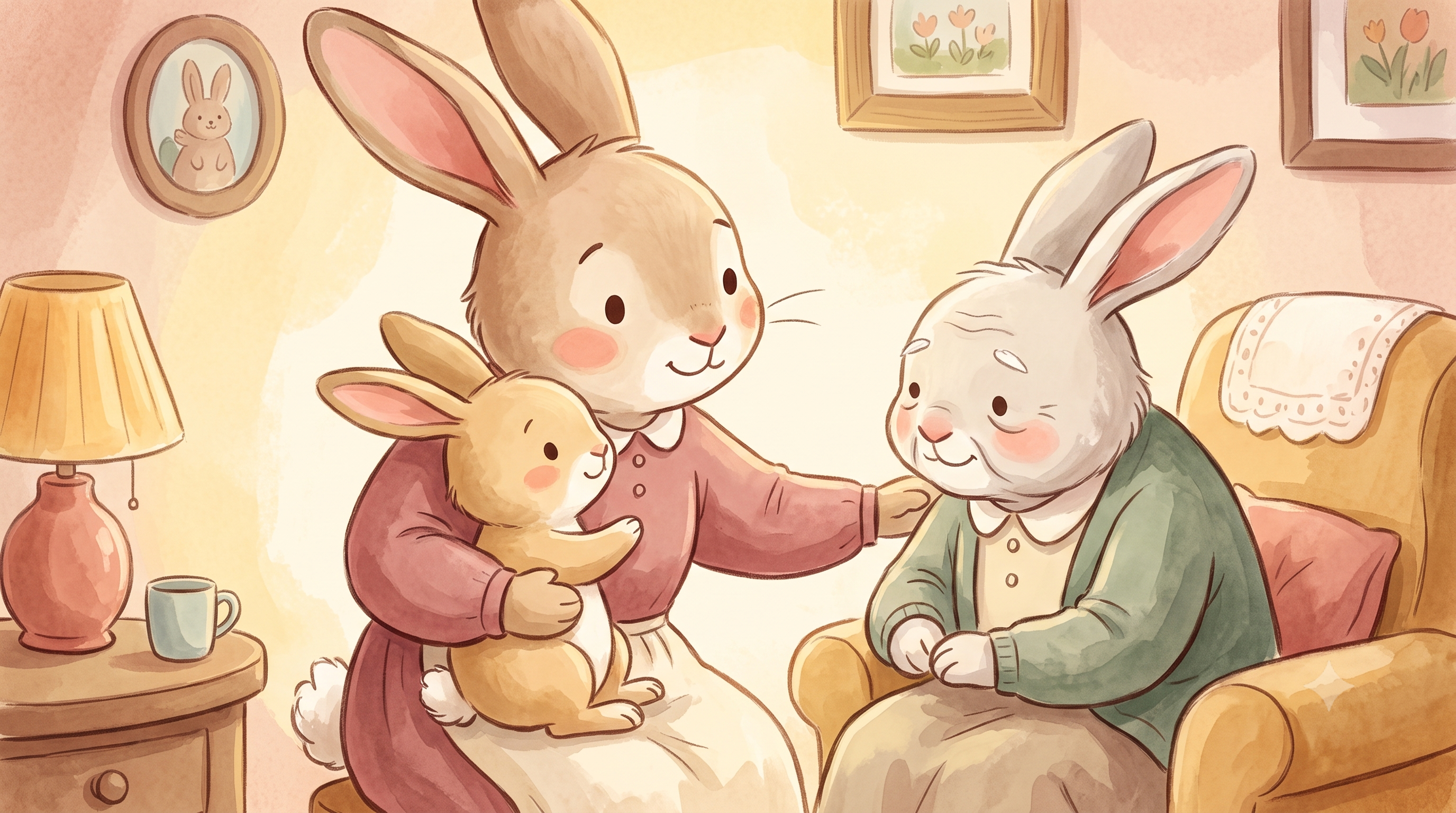
When a grandparent has dementia, children often carry a quiet, frightened question: *Can I catch it? Will Mum or Dad get it? Will I?* These worries are extremely common, and children frequently don't voice them — they simply carry the fear silently. The good news is that the honest answers are reassuring: dementia is not contagious, a child cannot catch it, and it is overwhelmingly a condition of much older age that isn't going to happen to them as a child. Answering these fears gently and truthfully — ideally before a child even asks — lifts a real weight off small shoulders.
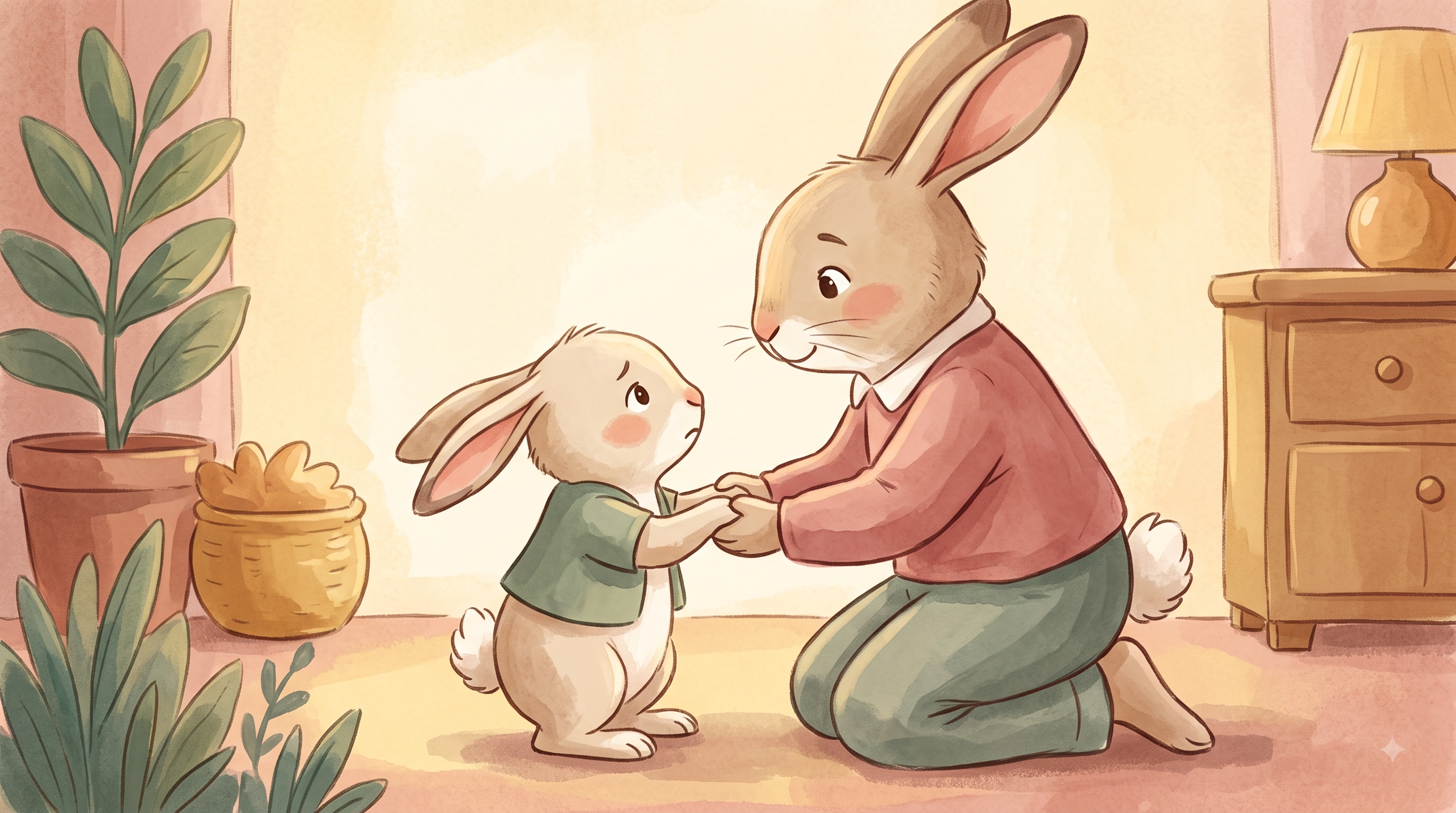
When a grandparent has dementia, children often carry a quiet, frightened question: Can I catch it? Will Mum or Dad get it? Will I? These worries are extremely common, and children frequently don't voice them — they simply carry the fear silently. The good news is that the honest answers are reassuring: dementia is not contagious, a child cannot catch it, and it is overwhelmingly a condition of much older age that isn't going to happen to them as a child. Answering these fears gently and truthfully — ideally before a child even asks — lifts a real weight off small shoulders.
The fears children carry (often silently)
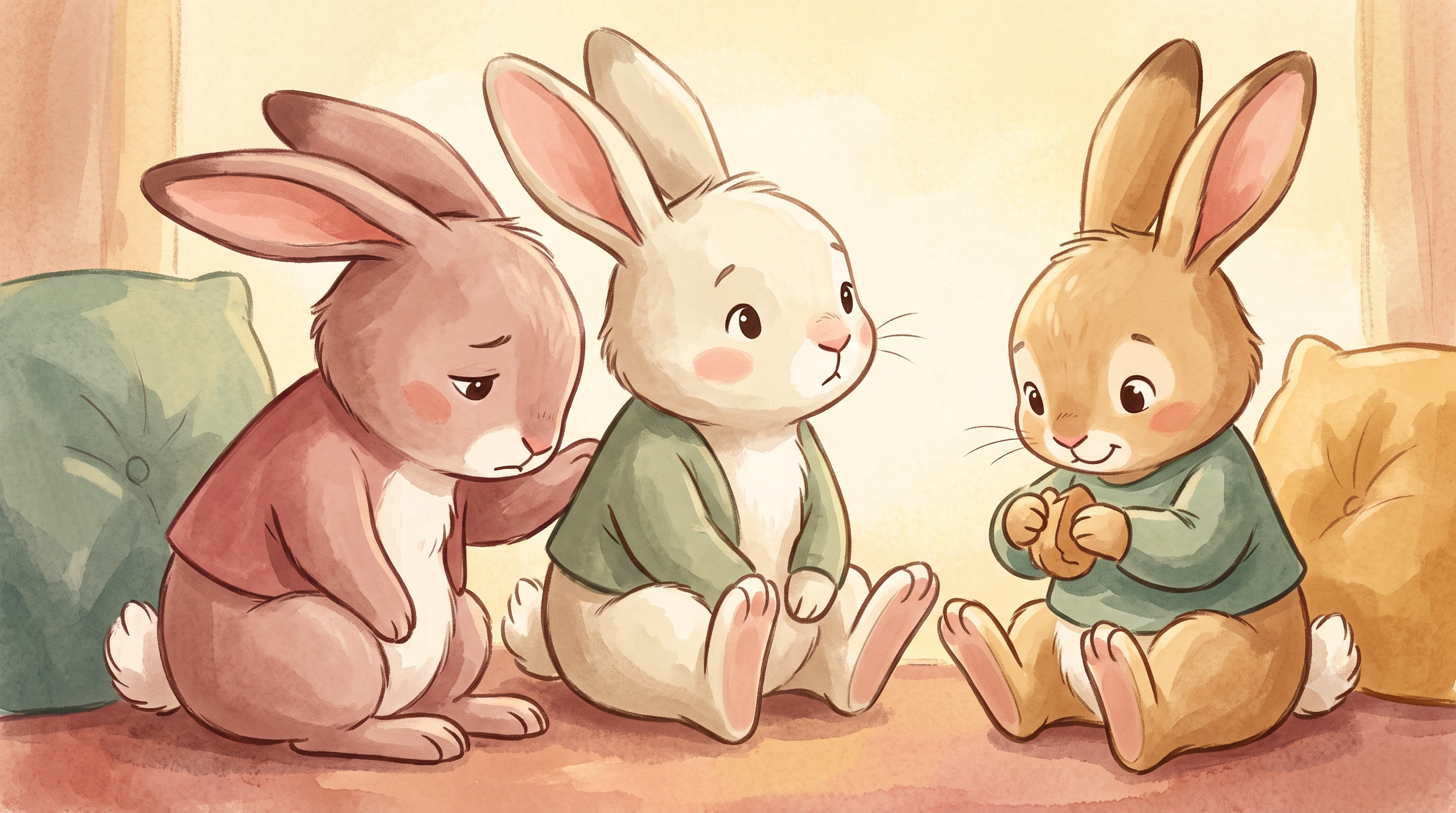
Children are natural pattern-finders, and when something frightening appears in the family, they quietly wonder if it will spread to them or the people they depend on. Common unspoken worries include:
- "Can I catch it?" Young children often assume illnesses work like colds — that being near Grandma, hugging her, or sharing her food could pass it on.
- "Will Mum or Dad get it?" The deeper, scarier fear — that the parents they rely on could change and disappear the way their grandparent has.
- "Will I get it?" A worry about their own future, sometimes prompted by hearing that dementia "runs in families."
- "Did I cause it?" Some children secretly wonder if something they did contributed.
Because children often don't say these out loud, the most caring thing you can do is answer them proactively — raising and soothing the fears before they fester in silence.
"Can I catch it?" — the contagion fear
Address this one plainly and confidently, because it's both common and completely reassurable:
"No — you absolutely cannot catch dementia. It's not like a cold or a tummy bug. You can hug Grandma, hold her hand, share her lunch, and be as close as you like. Nothing about her sickness can pass to you. It's a sickness in her brain that only happens to her."
Clear, definite reassurance matters here. Children need to hear an unqualified no — and it lets them stay physically close to their grandparent without fear, which is good for everyone.
"Will you get it?" — the fear about parents
This is often the deepest fear, and it deserves gentle honesty. For most families, strong reassurance is both truthful and appropriate:
"Dementia almost always happens to people when they're very old. I'm healthy, and I'm going to be here to take care of you for a very, very long time. This isn't something that's going to happen to me while you're growing up."
Focus on the present and the child's need for security, and avoid over-explaining. Children asking this question are really asking "are you safe? am I safe?" — and the honest, reassuring answer to that is yes. If there's a family situation that makes this more complicated (such as young-onset dementia in the family), you can still lead with security and stability, tailoring the details to what your child can handle and returning to reassurance.
"Will I get it?" — the fear about themselves
For a child, this can be answered simply and truthfully:
"This is a sickness that happens to some people when they're old — not to children, and not to grown-ups your parents' age usually either. It's not something you need to worry about happening to you. That's a worry you can set down."
If an older child has heard that dementia can run in families and asks about it, you can be honest without alarming: "Sometimes it can be a little more common in some families, but even then, most people don't get it — and doctors learn more every year about how to keep brains healthy. It's not something for you to carry now." Keep the emphasis on: this is not your worry to hold as a child.
"Did I cause it?" — the guilt fear
If you sense this one, name and dismiss it warmly: "Nothing you did caused this, not even a little bit. It's a sickness that just happens in some people's brains as they get very old. It's nobody's fault — not yours, not Grandma's." (This ties to the core message in how to explain dementia to a child: it's not anyone's fault.)
How to deliver the reassurance
A few principles make it land:
- Be confident and clear. Children read how you say things. Calm, definite reassurance ("no, you can't catch it") soothes far more than a hesitant, hedged answer.
- Be proactive. Don't wait to be asked. Gently offering, "Some kids worry they might catch this or that it'll happen to them — I want you to know it won't," gives a child permission to feel relieved.
- Keep it simple and truthful. Don't over-explain or introduce complications a child didn't ask about. Answer the fear that's there.
- Come back to it. These worries can resurface. Leave the door open: "If you ever feel worried about this again, you can always ask me."
The fears children carry about dementia are heavier for being silent. Bringing them into the open and answering them honestly — you can't catch it, I'm not going anywhere, it's not going to happen to you, and it's nobody's fault — takes a real weight off a child's heart. It's one of the most loving conversations you can have, and one children rarely forget: the moment a frightening secret worry was met with a calm, clear, reassuring truth.
Frequently asked questions
Is dementia contagious? Can a child catch it?+
No. Dementia is absolutely not contagious — it cannot be caught from being near, hugging, or sharing food with someone who has it. It's a condition of the brain that develops within an individual, and children should be reassured clearly and confidently that they cannot catch it.
How do I reassure my child that I won't get dementia?+
Lead with security: dementia almost always affects people when they're very old, and you're healthy and will be there to care for them for a very long time. Children asking this are really asking whether they're safe — so focus on reassurance and stability rather than detailed statistics.
Will my child get dementia because a grandparent has it?+
Almost certainly not as a child — dementia is overwhelmingly a condition of older age. Even where it's somewhat more common in a family, most people don't develop it. Reassure children that this isn't a worry they need to carry, while keeping any explanation simple and calm.