When a Parent Is Caregiving: Helping Kids Through the In-Between
When you're caring for a parent with dementia while raising children, everyone in the house feels the shift — and children often feel it most in the things nobody explains. Kids notice when you're distracted, when plans change last minute, when the phone rings and your face changes. The most helpful thing you can do is name what's happening in simple, honest terms, reassure them that they're still a priority, and protect small pockets of ordinary time together. You don't need to be less stretched. You just need your child to understand that the stretching isn't about them.
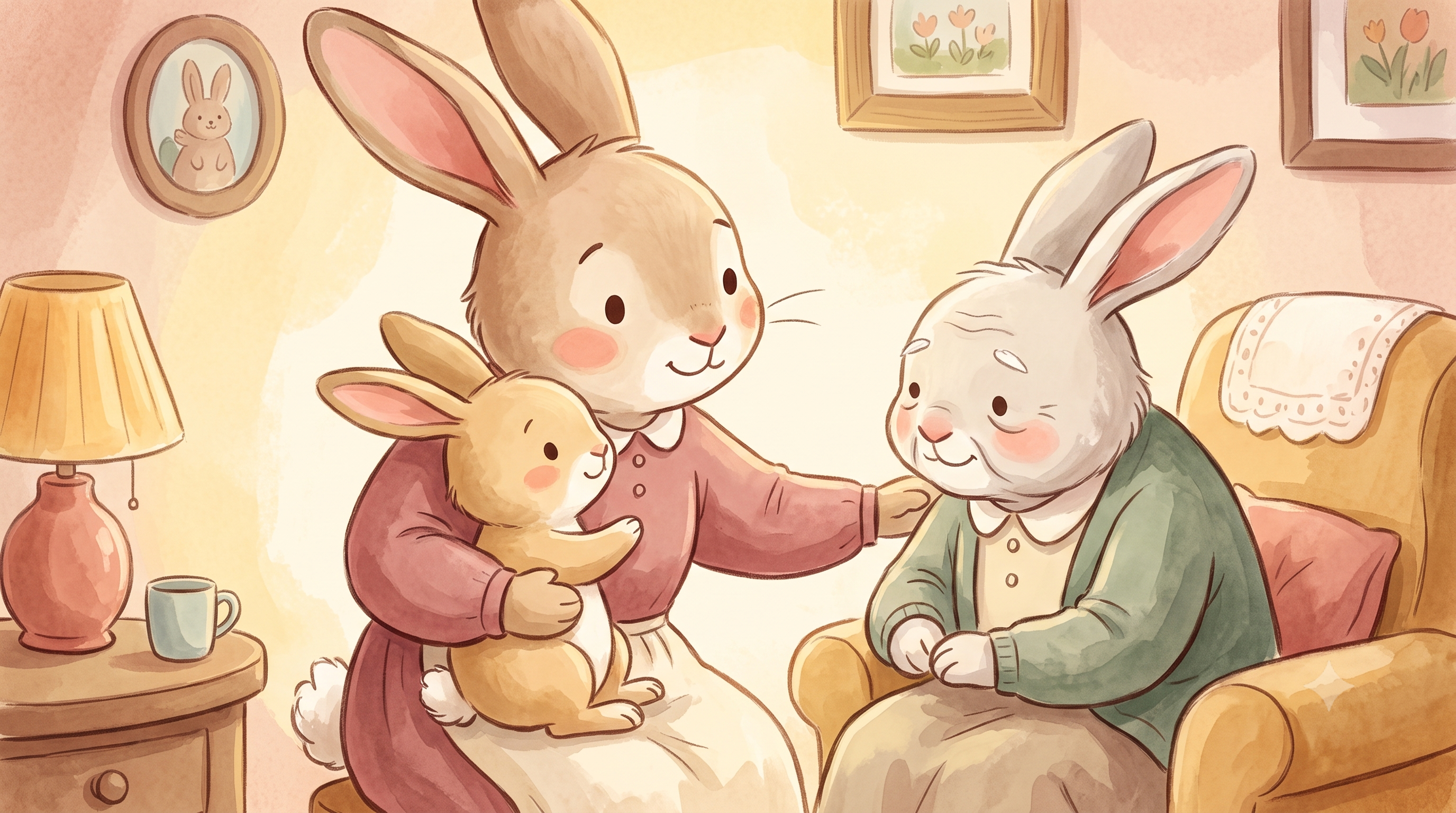
When you're caring for a parent with dementia while raising children, everyone in the house feels the shift — and children often feel it most in the things nobody explains. Kids notice when you're distracted, when plans change last minute, when the phone rings and your face changes. The most helpful thing you can do is name what's happening in simple, honest terms, reassure them that they're still a priority, and protect small pockets of ordinary time together. You don't need to be less stretched. You just need your child to understand that the stretching isn't about them.
If you're living in this in-between, here are gentle ways to help your children through it.
What children notice (even when you think they don't)
Children are extraordinary observers of their parents' emotional weather. Long before anyone explains anything, they register the tighter voice, the interrupted dinners, the weekend visits that replaced the park, the way you check your phone. What they often can't do is interpret it correctly. In the absence of an explanation, children tend to fill the gap with something self-referential: Mom's upset with me. Dad doesn't have time for me anymore. I did something wrong.
That's the real risk of saying nothing to protect them. Silence doesn't spare children the stress — it just leaves them without a story that makes sense of it. A simple, honest explanation is almost always kinder than a mystery.
What to say
Keep it truthful, age-appropriate, and reassuring. Something like:
"Grandma's brain is sick, and she needs a lot of help right now. That's why I've been busy and sometimes worried. It's not because of anything you did — and you are still so important to me."
Three things are doing the work in that: naming the situation, naming your own feelings honestly, and making clear the child isn't the cause. It's also worth saying plainly that they aren't being replaced: "Helping Grandma doesn't mean I love you any less. You matter just as much as always." Children rarely ask that out loud, but many are wondering it.
It helps to be honest about your own feelings, in a contained way. "I'm feeling sad and tired today — that's about Grandma, not about you" teaches children that emotions can be named and survived. What they don't need is to become your confidant or emotional support; the goal is honesty with boundaries.
Protecting the ordinary
When caregiving expands, ordinary family life shrinks — and children feel that loss keenly. You can't manufacture more hours, but small, predictable things matter more than big ones:
- Guard a small ritual. Ten minutes at bedtime, a Saturday pancake, a walk after school. Something reliable that belongs only to them. Consistency reassures more than quantity.
- Give notice when you can. Sudden changes feel destabilizing; a heads-up ("I might need to go help Grandma this weekend") gives children a sense of predictability.
- Keep some spaces caregiving-free. A meal, a game night, a car ride where the topic is simply them.
- Accept help so you can be present. Respite, family, friends, community — using support isn't a failure; it's what allows you to show up for your children too.
Letting children be part of it
Many children want to help, and being included — in age-appropriate ways — often eases their worry more than being shielded does. A small job gives them agency: drawing a picture for Grandma, choosing a song, helping carry something, keeping her company for a few minutes. Older children might help with a memory book or come along on a visit.
The balance to strike: include them, don't burden them. Children shouldn't become caregivers or feel responsible for an adult's wellbeing. Small, optional, warm involvement is the sweet spot — and it lets them feel like part of a family facing something together, rather than a bystander to a family that's disappeared.
Expect mixed feelings, too. Children may feel sad, proud, jealous of the attention Grandma gets, guilty for feeling jealous, or bored by the whole thing. All of that is normal. Letting them say it without correction — "it's okay to feel annoyed sometimes; that doesn't mean you don't love her" — is a real gift.
And a word for you
You're being pulled in two directions by two people you love, and there is no arrangement in which you feel like you're doing enough for either. That feeling is not evidence of failure; it's the arithmetic of the situation. Your children don't need a parent who's unstretched. They need one who tells them the truth, keeps a few small promises, and lets them know they're loved through it. That, you can do — even now.
For words to explain the illness itself, see how to explain dementia to a child.
Frequently asked questions
How do I explain to my child that I'm caring for a grandparent with dementia?+
Keep it simple and honest: Grandma's brain is sick and needs a lot of help, which is why you've been busy or worried — and make clear it isn't because of anything the child did, and they matter just as much as ever.
How do children react when a parent becomes a caregiver?+
They often notice the stress before it's explained and may fill the gap by blaming themselves. Common reactions include sadness, clinginess, acting out, jealousy of the attention the grandparent receives, and guilt about those feelings — all normal.
Should children be involved in caregiving?+
In small, optional, age-appropriate ways, yes — a drawing, a song, brief company, or helping with a memory book. Involvement often eases worry more than shielding. But children shouldn't take on real caregiving responsibility or become a parent's emotional support.