Brain-Healthy Habits Kids and Grandparents Can Share (What the Research Says)
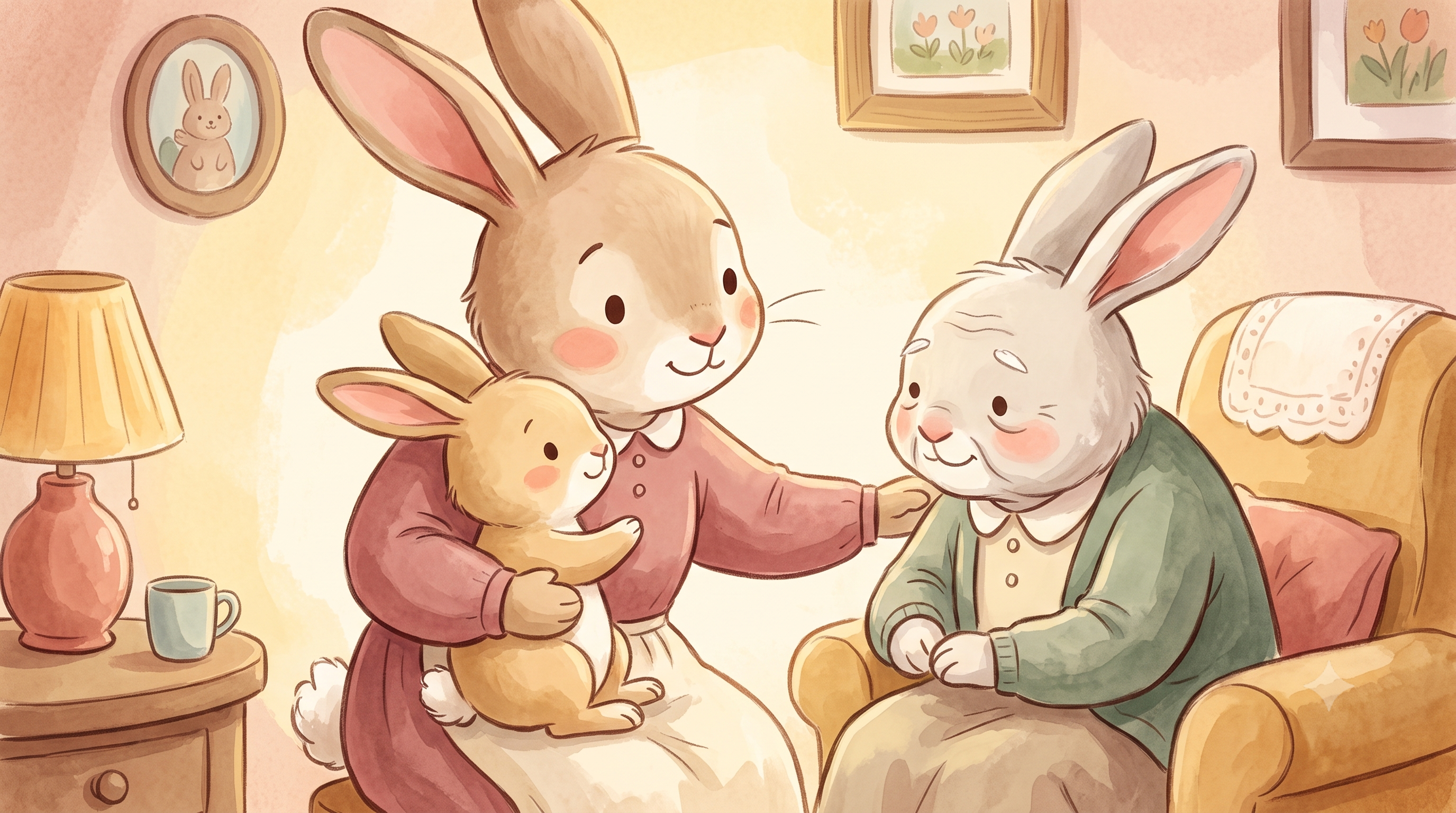
When kids learn a grandparent has dementia, a common next question is some version of "can we stop it?" The honest answer is that we can't cure dementia yet, and we can't undo it once it's started. But there's real, growing evidence that everyday habits help protect brains over a lifetime. And a lot of those habits are things kids and grandparents can do together, which turns a scary question into something hopeful and practical.

When kids learn a grandparent has dementia, a common next question is some version of "can we stop it?" The honest answer is that we can't cure dementia yet, and we can't undo it once it's started. But there's real, growing evidence that everyday habits help protect brains over a lifetime. And a lot of those habits are things kids and grandparents can do together, which turns a scary question into something hopeful and practical.
What does the research say?
Two big pieces of research are worth knowing about.
In July 2024, the Lancet Commission on dementia prevention, a panel of international experts, estimated that about 45% of dementia cases could in theory be prevented or delayed if 14 modifiable risk factors were removed. Its 2020 report had listed 12 factors linked to about 40% of cases; the 2024 update added high LDL cholesterol in midlife and untreated vision loss in later life. The full list is less education in early life, hearing loss, high blood pressure, smoking, obesity, depression, physical inactivity, diabetes, heavy drinking, head injury, air pollution, social isolation, high LDL cholesterol and vision loss. Hearing loss and high LDL cholesterol each accounted for about 7% of cases, the biggest single shares.
Notice where the list starts: education in early life. Brain health is something kids build too, not only something grandparents lose.
Then in July 2025, the US POINTER study, a two-year trial of 2,111 older adults funded largely by the Alzheimer's Association, reported its results in JAMA. People who followed a lifestyle program of exercise, a brain-healthy diet, mental and social activities and health check-ins improved their thinking skills. Those in the more structured version, with regular coached team meetings, improved more. The benefits showed up across sexes, ethnic groups and people with higher genetic risk, according to Wake Forest University School of Medicine, which led the trial.
Two cautions. US POINTER tested older adults at higher risk, not people already living with dementia. And these habits lower risk; they're not a guarantee. It's important kids don't take away the idea that a grandparent got dementia because they did something wrong. Plenty of people with very healthy lives still develop it.
How do I explain this to kids?
Keep it simple and hopeful:
"Scientists have found that brains stay healthier when we move our bodies, eat good food, keep learning, sleep well and spend time with people we love. Those things can't fix Grandpa's dementia, but they're good for his brain and his mood, and they're good for yours too. We can do them together."
That framing does two things. It gives kids something active to do, which helps with worry. And it answers the unspoken "will I get it too?" with "this is how we look after our brains," without false promises.
Habits kids and grandparents can share
Pick ones that fit your grandparent's stage of dementia and energy. Short and regular beats long and rare.
Move together. Physical activity is one of the most consistently supported brain-health habits.
- A daily walk around the block, even ten minutes
- Seated stretches or chair exercises to a favorite song
- Gardening, raking leaves, tossing a soft ball back and forth
- Dancing in the kitchen (this one tends to get the biggest smiles)
Eat brain-healthy food together. US POINTER used the MIND diet, which leans on leafy greens, berries, beans, nuts, whole grains, fish and olive oil.
- Make a berry smoothie or a fruit salad, with Grandma doing the stirring
- Shell peas or snap green beans at the table
- Try a "new vegetable of the week" and both rate it
Keep learning and playing. Mental activity that's a little challenging, but not frustrating, is good for both of you.
- Simple card games, dominoes or matching games
- Jigsaw puzzles with big pieces
- Teaching each other something: a child shows Grandpa a tablet game, Grandpa shows the child how to fold a paper boat
- Reading aloud, taking turns if Grandma still reads
Stay social. Loneliness is on the Lancet list for a reason. Time with grandkids counts.
- A regular video call if you live apart
- A standing weekly visit with a shared ritual (same snack, same song)
- Bringing Grandpa along to a child's school play or soccer game when it's manageable
Protect sleep. Both kids and older adults think better after good sleep. Gentle evening routines like a warm drink, dim lights and a quiet story can be shared.
Look after ears and eyes. Hearing loss and untreated vision problems are both risk factors. Kids can be great at reminding Grandma to put her hearing aids in, or noticing when Grandpa seems to struggle to see the TV. Our sister guide on music and dementia has more ideas for activities that work even when hearing or memory is changing.
Which risk factors can kids help with?
Kids can't do anything about Grandpa's cholesterol or blood pressure, and they shouldn't be asked to. But a few items on the Lancet list are things a grandchild naturally touches.
Hearing. Hearing loss is one of the largest single factors in the Commission's estimate, and plenty of older people own hearing aids that sit in a drawer. A grandchild who says "Grandma, put your ears in so you can hear my story" often gets further than an adult who nags. If a grandparent seems to miss a lot of conversation and has never had a hearing test, mention it to whoever handles their medical care.
Eyesight. Untreated vision loss was added to the list in 2024. Kids notice things like Grandpa holding the newspaper at arm's length or squinting at the TV. Teach them it's kind, not rude, to tell a grown-up.
Loneliness. Social isolation is on the list, and this is where kids are the experts. A regular phone call, a drawing in the mail or a weekly game night is real social contact. For a grandparent who lives alone, a grandchild may be one of the few people they talk to all week.
Moving more. Physical inactivity is on the list too, and children are the best walking partners there are. They stop to look at bugs, which happens to be a good pace for an older person.
Make it a family challenge
Some families turn this into a light, fun project. Try a "brain-healthy bingo" card on the fridge with squares like walked together, ate something green, played a game, called a friend, danced. Kids put a sticker on each square they do with Grandma or Grandpa during the week.
Keep it playful. The goal is connection, not a scorecard, and missing a week isn't failure. If Grandma is having a bad day, sitting together and holding hands counts.
What if Grandpa's dementia is already advanced?
Then the brain-health science matters less for him, but the habits still matter for quality of life. Gentle movement, music, good food, sunlight and time with people he loves can ease restlessness and improve mood, even late in the illness. For your child, the habits are still building their own healthy brain. And sharing them keeps the two connected.
Keeping it fun when Grandma has dementia
A few practical notes so these activities stay pleasant. Keep instructions short, one step at a time. Choose games with simple rules, or quietly bend the rules so nobody "loses." Expect attention to drift after ten or fifteen minutes, and stop while it's still going well rather than pushing to finish. If Grandpa can't do the activity the way he used to, give him a part he can do: holding the bowl, choosing the music, being the judge.
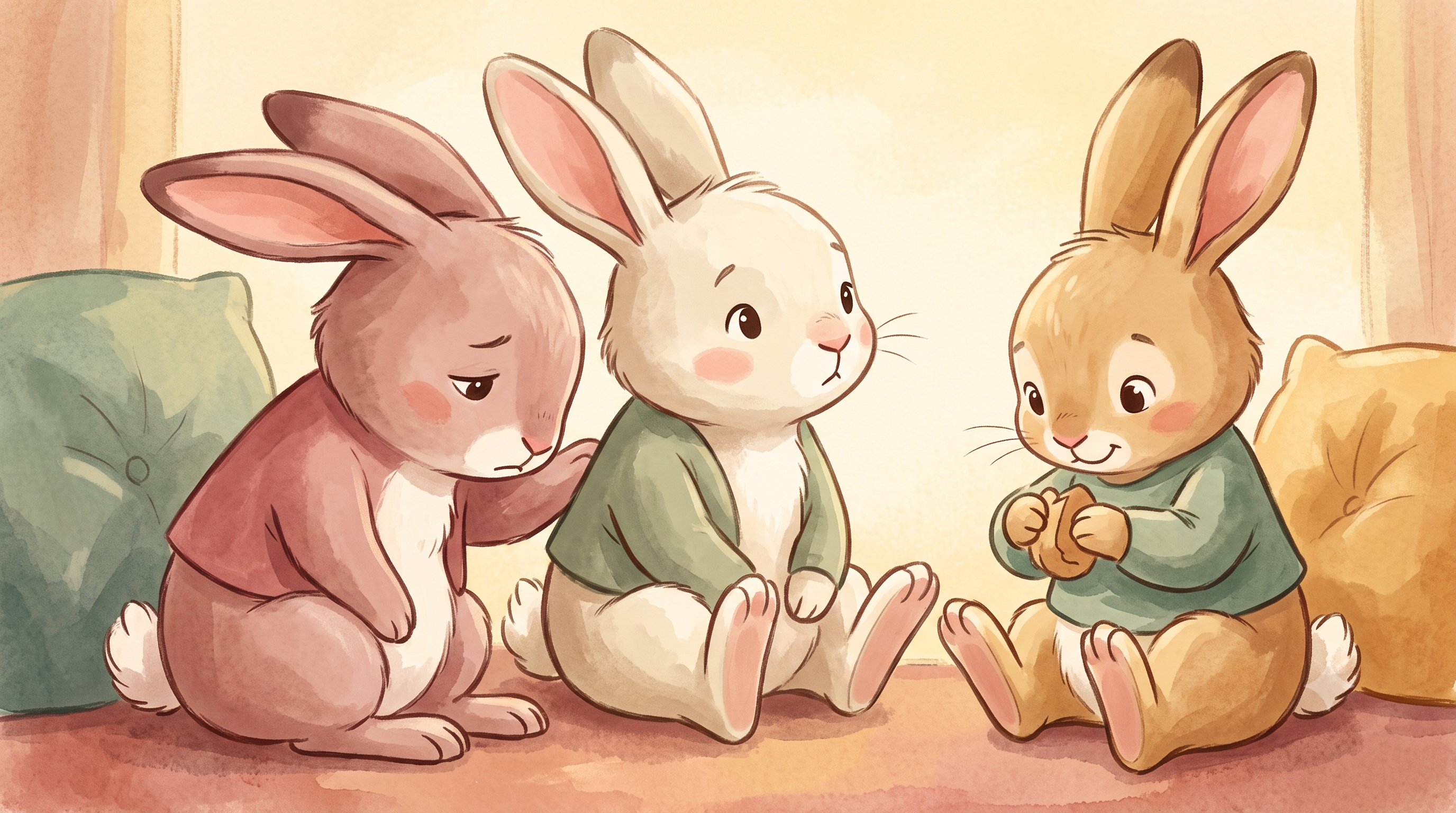
It also helps to prepare kids for days that don't work. Sometimes Grandma won't want to walk, or the puzzle will frustrate her. Tell your child that's the illness, not them, and that switching to something calm, like looking at photos or listening to a song, is a win too. The point is time together, not finishing the task.
Don't forget the adults
Caregivers often let their own health slide. If you're looking after a parent with dementia while raising kids, the same list applies to you, and you need it more than anyone. Kids notice. Seeing a parent go for walks, eat well and see friends teaches them more than any explanation.
Something kids can do
A dementia diagnosis can leave a whole family feeling helpless, kids most of all. These habits give them something real to do. They can't fix Grandpa's memory. They can walk to the corner with him, put on his old records, share a bowl of blueberries and call him on Sundays. The research says that's good for his brain and theirs.
Frequently asked questions
Can dementia be prevented?+
Not completely, but risk can be lowered. The 2024 Lancet Commission estimated that around 45% of dementia cases could be prevented or delayed by addressing 14 risk factors, including inactivity, high blood pressure, hearing loss, smoking and social isolation.
What did the US POINTER study find?+
Published in JAMA in July 2025, US POINTER followed 2,111 at-risk older adults for two years. Both lifestyle programs improved thinking skills, and the more structured program, with coached meetings on exercise, diet, mental and social activity, improved them more.
What brain-healthy activities can kids do with a grandparent who has dementia?+
Short daily walks, dancing to favorite songs, making simple healthy snacks, card games and puzzles, reading aloud, regular visits or video calls, and helping with hearing aids or glasses. Keep activities short, regular and matched to the grandparent's stage.