When Things Change: Talking to Children About the Later Stages of Dementia
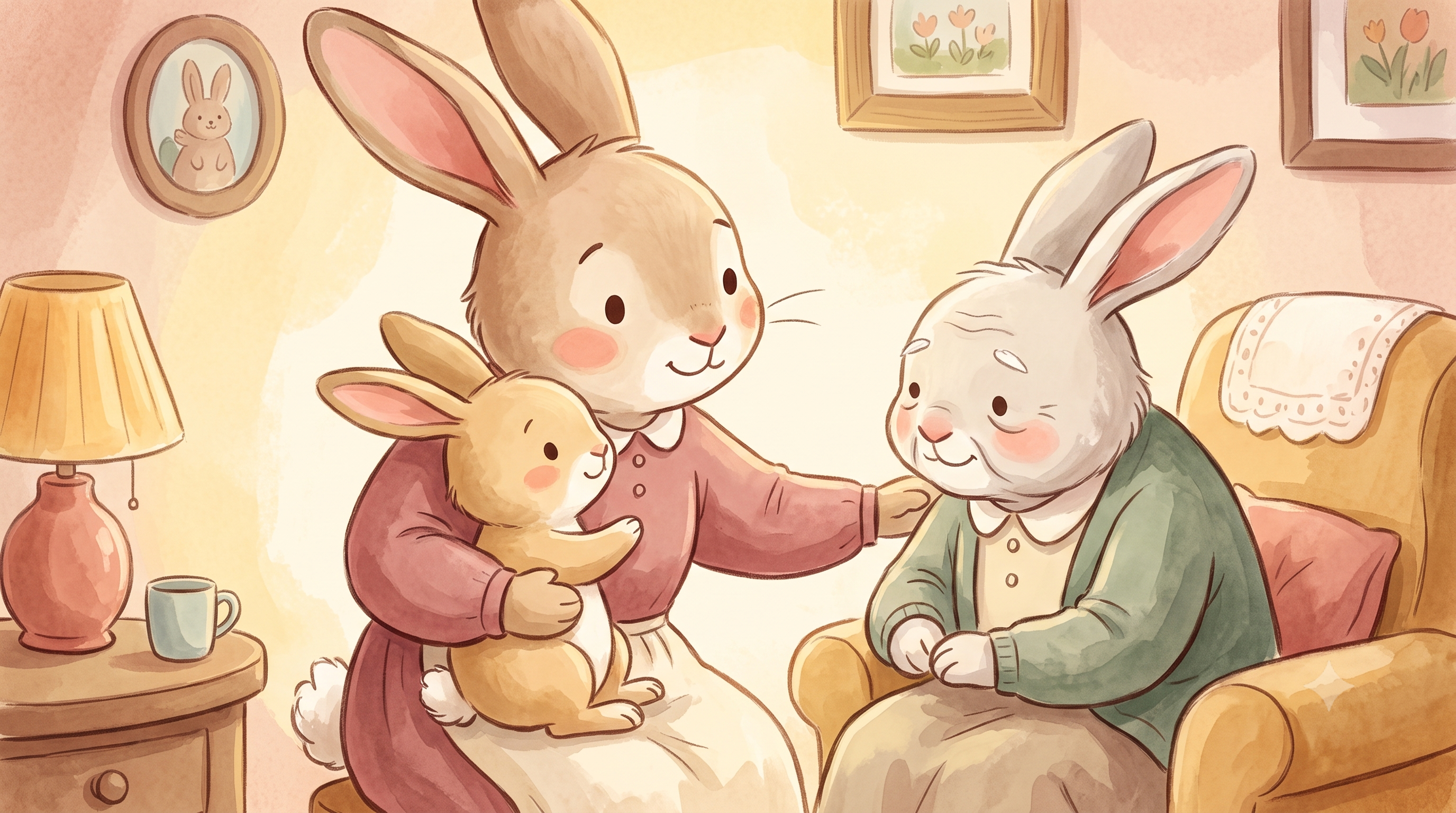
As dementia progresses, children need honest, gentle updates rather than a single conversation that stands forever — and the guiding principle stays the same as it was at the beginning: tell the truth in words that fit their age, don't promise what you can't, and keep pointing to what remains. Children cope far better with a hard truth they understand than with a change nobody explains. And even in the later stages, when speech and recognition fade, connection is still possible through touch, voice, and presence — which is often the most comforting thing a child can learn.
As dementia progresses, children need honest, gentle updates rather than a single conversation that stands forever — and the guiding principle stays the same as it was at the beginning: tell the truth in words that fit their age, don't promise what you can't, and keep pointing to what remains. Children cope far better with a hard truth they understand than with a change nobody explains. And even in the later stages, when speech and recognition fade, connection is still possible through touch, voice, and presence — which is often the most comforting thing a child can learn.
This is a tender guide for a tender time.
Preparing children for what changes
Children handle change far better when it's expected. Before a visit where things will look different, a short, calm heads-up does a lot of work: "Grandpa is sleeping much more now, and he might not talk. He can still hear your voice, and he'll like that you came."
Depending on the stage, gently name what they might see — that their grandparent may not speak much or at all, may not recognize anyone, may need help eating or moving, may be in a bed or a wheelchair, may look thinner or different. Frame each as part of the illness, and pair it with what's still true: "His body is very tired now, but he can still feel that people who love him are near."
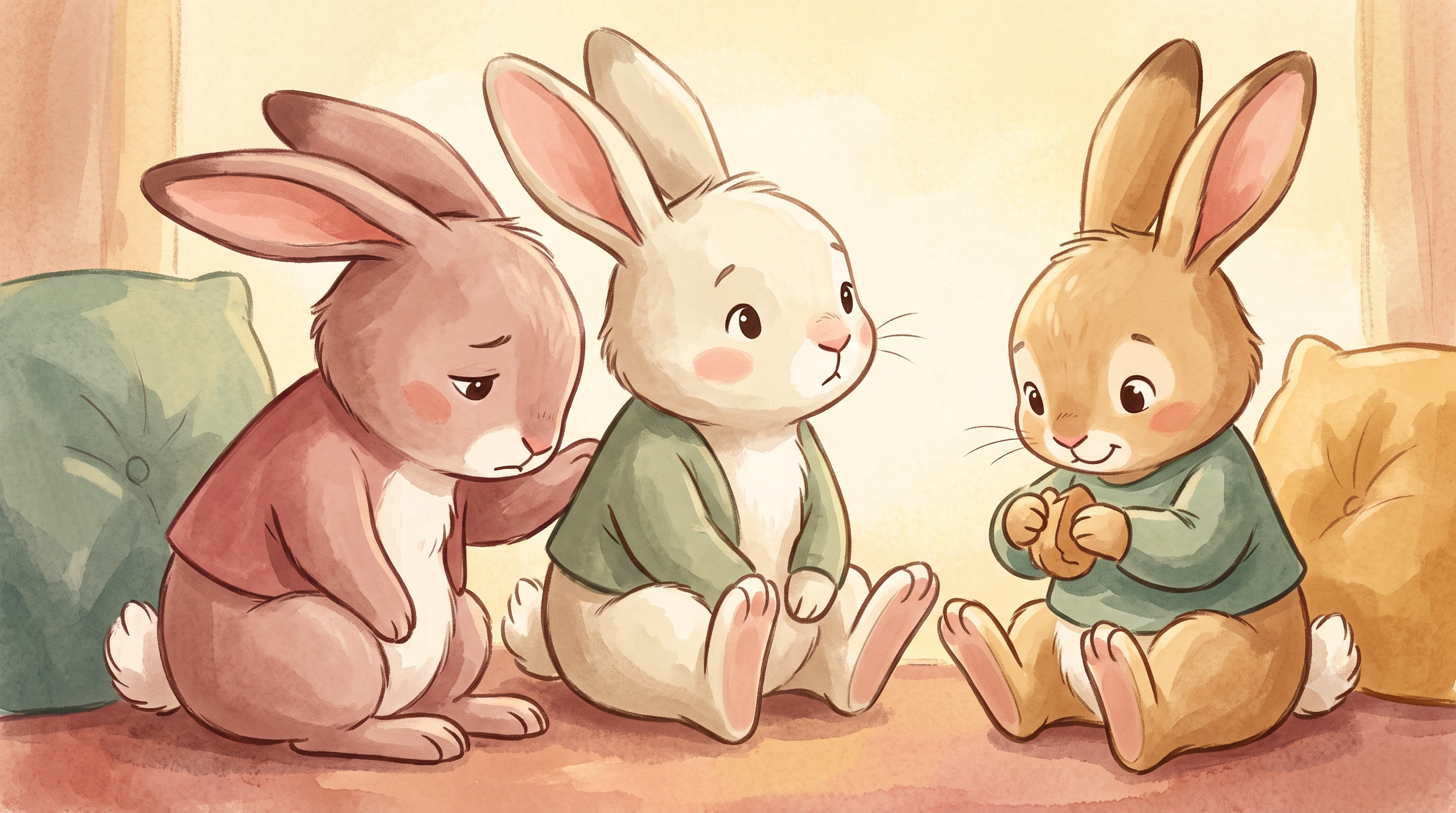
Give them permission in advance, too — to feel scared, to not want to touch, to leave the room, to just stand near you. A child who knows they're allowed to opt out will usually opt in more easily.
Being honest without false promises
The hardest instinct to resist is the comforting lie. "She's going to get better" buys an easier afternoon and costs a child's trust later. Better to be gentle and true: "The doctors can't make this sickness better. What they can do is help her feel comfortable and not in pain. And we can keep visiting and loving her."
If a child asks whether their grandparent is going to die — and older children often will — answer honestly, in a way that fits their age. For many families that sounds like: "Yes. This illness gets worse over time, and eventually people do die from it. We don't know exactly when. What we do know is that she's being cared for, and we'll be with her." It's painful to say. But children who are told the truth are able to prepare, say what they want to say, and trust the adults around them — and children who sense a secret often imagine something worse than reality.
You don't have to have every answer. "I don't know" is honest and survivable when it's followed by "but we'll face it together."
Helping children stay connected
This is the part worth emphasizing, because children often assume that when a grandparent can't talk or recognize them, there's nothing left to give. There is.
- Voice. Hearing often remains when other things fade. A child talking, reading a page of a story, or saying "I love you, Grandpa" reaches further than it looks.
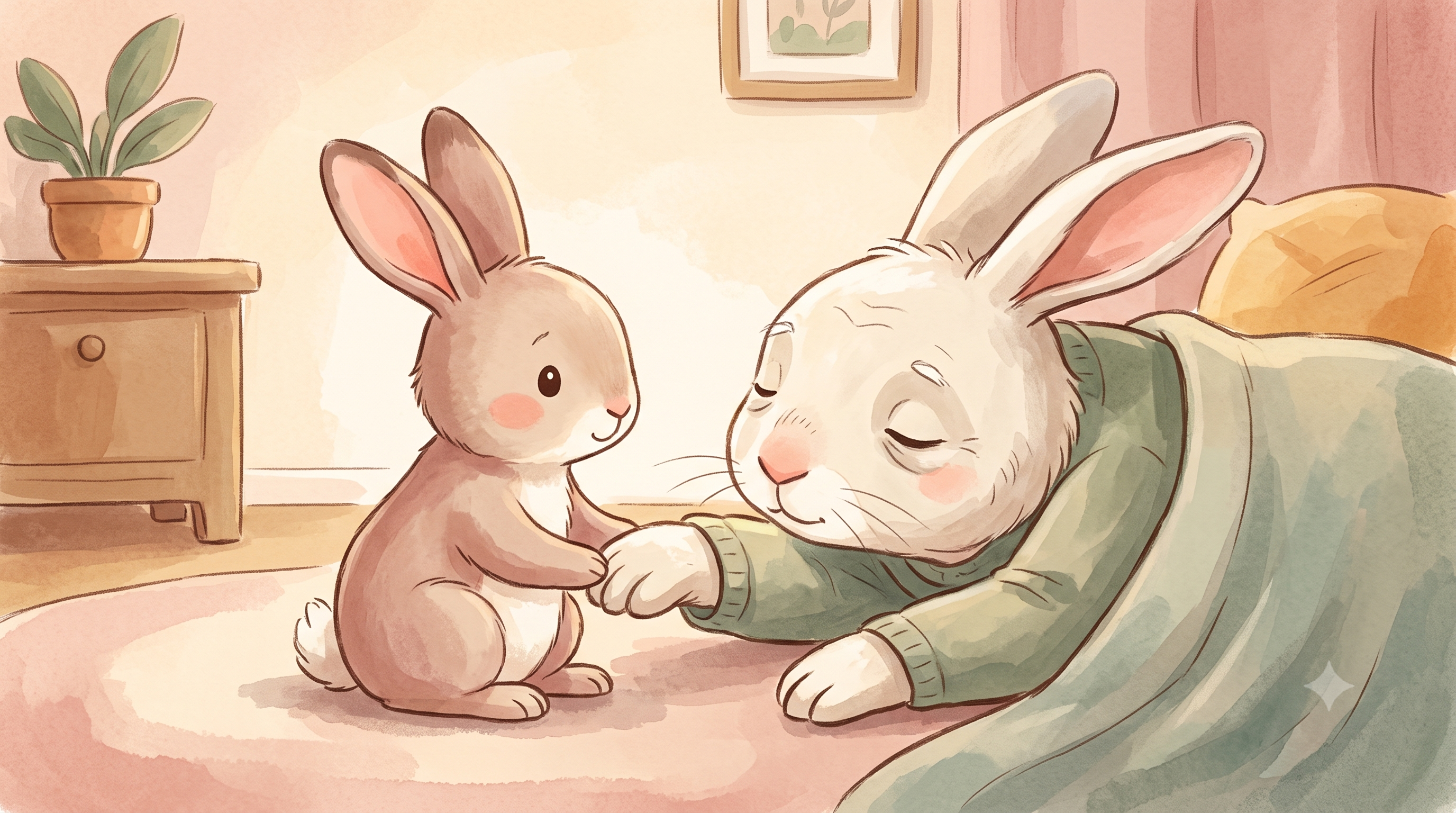
- Touch. Holding a hand, a gentle stroke on the arm, sitting close. Simple, safe, and often deeply calming.
- Music. Familiar songs can reach people in the later stages remarkably well. Children love being the one to play or sing them.
- Presence. Just being in the room, quietly. Children are unusually good at this — better than most adults, who feel compelled to fill silence.
Keep visits short and pressure-free, and let your child choose their level of involvement each time. Some days they'll want to sit close; other days they'll want to stay by the door. Both are fine.
Making space afterward
Children often process later, sideways, and repeatedly. Leave room for it: a quiet drive home, a bedtime chat, an invitation that isn't a demand ("how was that for you?"). Expect the same questions to return — repetition is how children digest hard things, and answering patiently the fifth time is its own kind of comfort.
Watch too for what doesn't come out in words: changes in sleep, appetite, behavior, or school. Those are often a child's real report. And if grief seems to be deepening rather than gradually softening over time, a school counselor, therapist, or your doctor can help — a common, sensible step, not a sign anything has gone wrong.
And for you
Walking a child through this while walking through it yourself is one of the hardest things a family does. You will not do it perfectly, and you don't have to. What children remember from these times is rarely the exact words. It's that the adults told them the truth, let them feel what they felt, and kept them close.
That's what you're giving them — along with something quietly lasting: the understanding that we don't abandon people when things get hard. We stay, we hold a hand, we keep loving them right to the end. It's a hard lesson to teach. It's also one of the best.
For the earlier conversations, see how to explain dementia to a child, and for visits, visiting a grandparent in memory care.
Frequently asked questions
How do you explain late-stage dementia to a child?+
Give gentle, honest updates as things change rather than relying on one earlier conversation. Prepare them for what they'll see — less speech, more sleeping, needing help — frame it as part of the illness, and pair it with what remains: their grandparent can still feel that loved ones are near.
Should you tell a child their grandparent is dying?+
For most children, honest age-appropriate truth is kinder than a comforting lie. Children who are told the truth can prepare and say what they want to say, and they keep trusting the adults around them. Avoid promising recovery you can't deliver.
How can a child connect with a grandparent in the later stages of dementia?+
Through voice (talking, reading, singing — hearing often remains), gentle touch, familiar music, and simple presence. Keep visits short, let the child choose their level of involvement, and reassure them that being there is itself meaningful.