Preparing Kids for a Holiday Gathering When a Grandparent Has Dementia
To prepare children for a holiday with a grandparent who has dementia, talk before the day about what might be different, give your child a simple job and a few kind phrases, plan a quiet spot for breaks, and agree on a signal they can use if they feel overwhelmed. Afterward, check in about how it went.

To prepare children for a holiday with a grandparent who has dementia, talk before the day about what might be different, give your child a simple job and a few kind phrases, plan a quiet spot for breaks, and agree on a signal they can use if they feel overwhelmed. Afterward, check in about how it went.
Why can holidays feel different when a grandparent has dementia?
Holidays bring together lots of people, noise, new places and changes in routine. For someone living with dementia, that can be confusing or tiring. The Alzheimer's Association notes that holidays can be stressful for people with dementia and their families, and suggests adjusting traditions to keep things manageable.
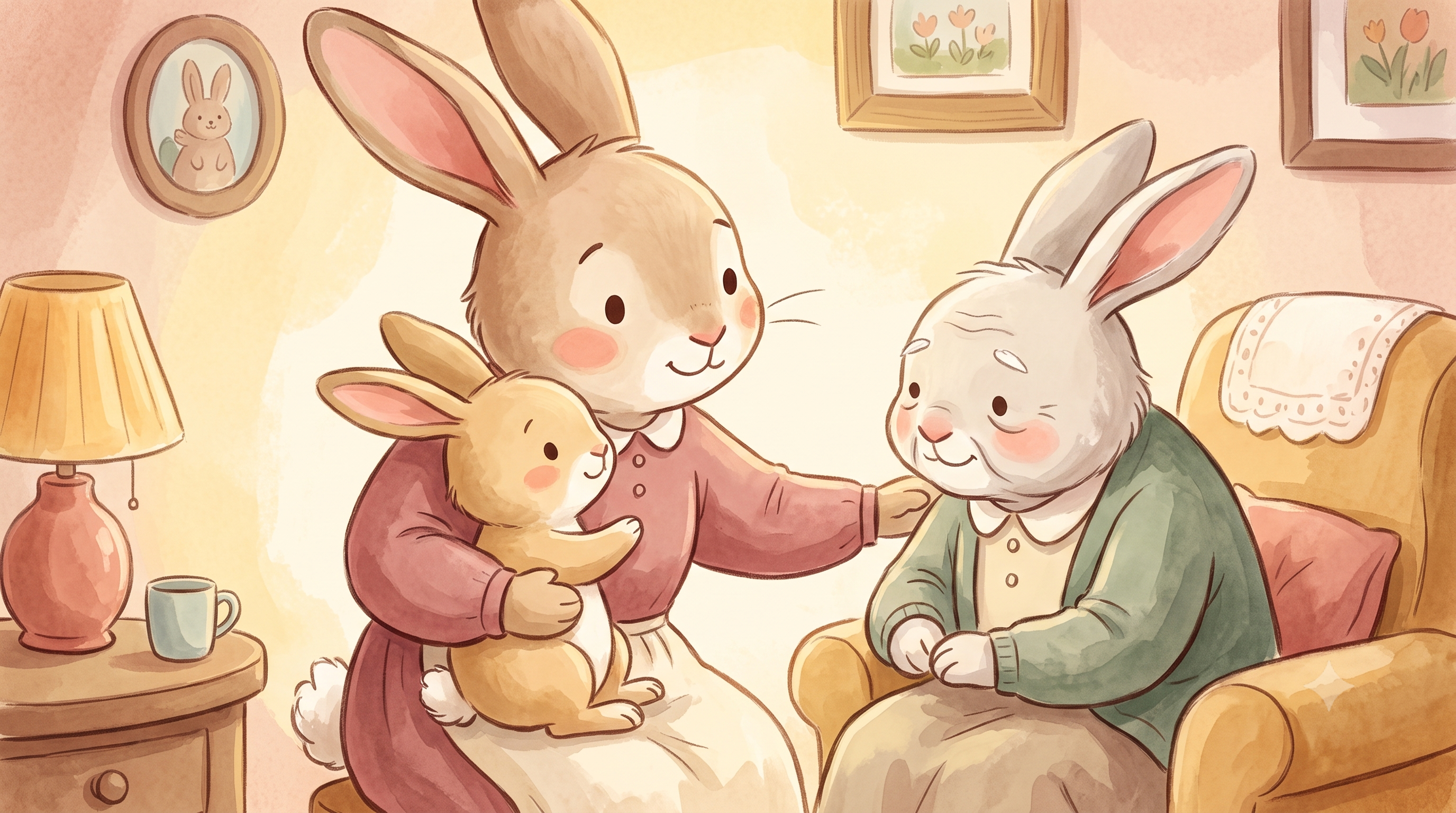
A grandparent may seem quieter than usual, get mixed up about names, ask to go home, or become upset in a busy room. Children may not understand why Grandpa, who used to carve the turkey or lead the songs, now sits off to the side.
Preparing your child ahead of time turns those surprises into things they already expect.
What should I tell my child before the gathering?
A day or two before, find a calm moment. Keep it short and concrete.
"At Grandma's house this year, things might feel a little different. Lots of people and noise can make Grandpa's brain tired. He might be quiet, or call you by someone else's name, or want to rest. That's because of his dementia. It's not because of anything you did, and he still loves you."
Then ask what your child is wondering:
"Is there anything you're curious or worried about?"
If your child hasn't seen their grandparent in a while, describe any changes you know about. For example: "Grandpa uses a walker now," or "Grandma might not talk as much." Our article on what to do when a grandparent forgets a child's name has scripts for that tender moment.
How can families make the day calmer for everyone?
Small changes can help both the grandparent and the kids. Consider:
- Keep it smaller. Fewer guests, or staggered visits, can be easier.
- Stick close to routine. An earlier meal may suit a grandparent who tires by evening.
- Choose a quiet room. Somewhere with a comfy chair and low noise.
- Simplify decorations. Flashing lights and clutter can be confusing.
- Keep a familiar tradition. A favorite song or dish can be comforting.
Let your child help with the plan:
"Grandpa likes things calm. Can you help me think of a quiet game we could play with him after dinner?"
Kids often have good ideas, and being part of the plan helps them feel invested.
What jobs can kids do during a holiday gathering?
A simple job gives a child a role and a reason to connect. Here are some ideas:
Job / What the child does:
- Greeter — Says hello to Grandma and tells her who they are
- Music helper — Plays a favorite old holiday song
- Napkin folder — Folds napkins side by side with Grandpa
- Photo buddy — Looks through a small photo album with Grandma
- Card maker — Brings a homemade card to give at the start
Teach your child a friendly greeting that doesn't test memory:
"Hi Grandma! It's me, Leo. Happy Thanksgiving! I made you a card."
If the grandparent responds with a different name or seems unsure, your child can simply smile and keep going:
"I'm so happy to see you."
For more ideas, see our article on activities kids and grandparents can enjoy together.
What if my child gets overwhelmed or upset?
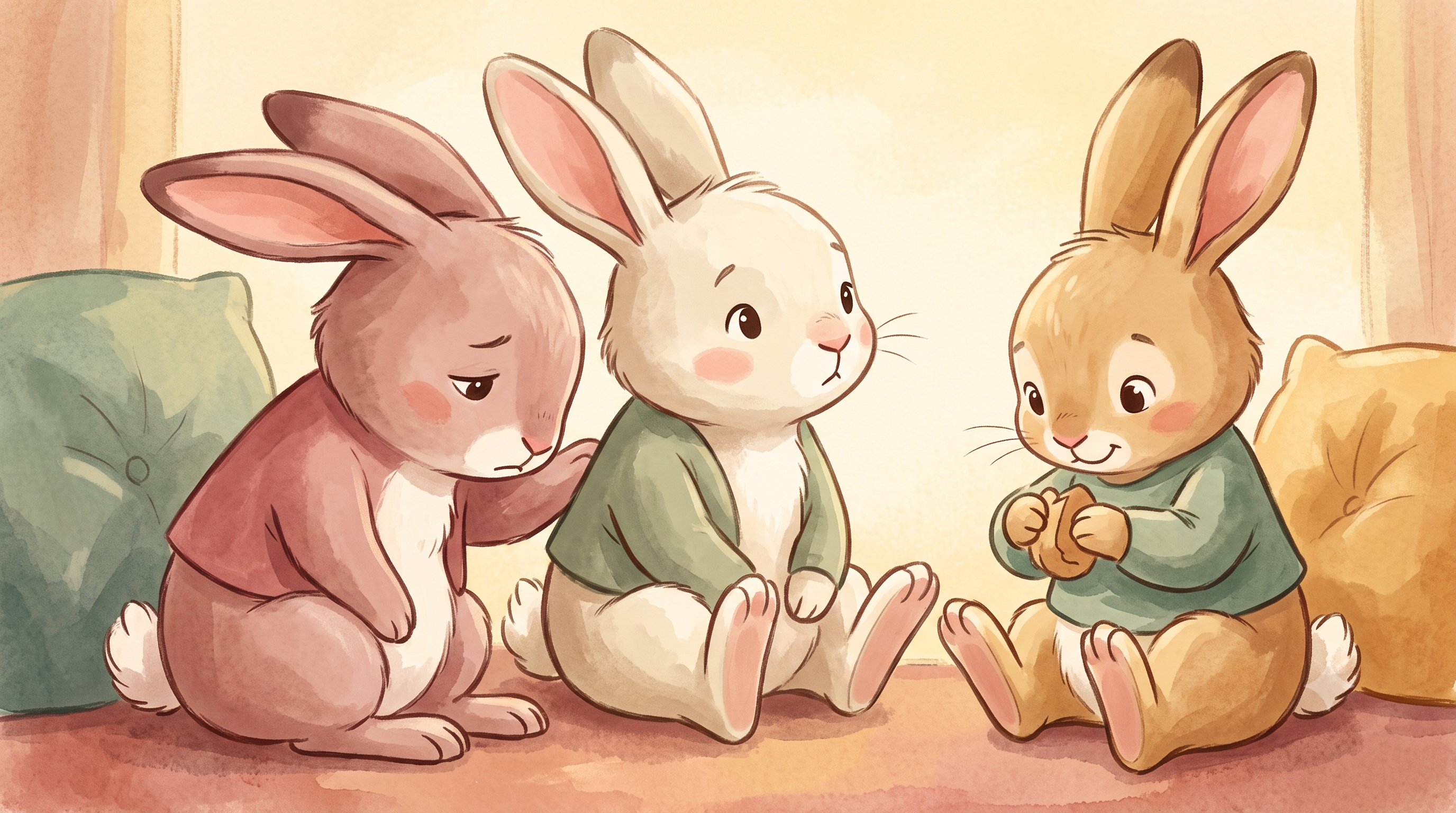
Holidays are big for kids, too. Add a grandparent who seems different, and some children will need a break.
Before the gathering, agree on a secret signal, such as a tug on your sleeve or a code word like "pumpkin." Tell your child:
"If you feel sad, confused or just need a break, give me the signal. We'll go to the quiet room together. Nobody will be upset."
If something upsetting happens, like a grandparent getting angry or crying, stay calm and give your child a short explanation:
"Grandpa got upset because the room was too loud. His brain got overwhelmed. It wasn't about you. Let's give him some quiet."
It's also okay if your child doesn't want to sit near the grandparent. Our article on helping a child who is scared to visit has more gentle steps.
How do I talk with my child after the holiday?
A short check-in helps your child sort through what they saw. Try a cozy moment in the car or at bedtime:
"What was your favorite part of today?" "Was there anything that felt confusing or sad?" "Is there anything you want to ask me about Grandpa?"
Listen more than you talk. If your child saw something hard, name it and add reassurance:
"It was sad when Grandma didn't remember the song. I felt sad too. I'm proud of how kind you were to her."
You might also read together after a big day. The Rosemary Rabbit picture book was created to help young children understand a grandparent's dementia, and a quiet story can be a gentle way to talk about feelings.
Frequently asked questions
Should I bring young children to a holiday gathering with a grandparent who has dementia?+
In most cases, yes. Children can bring real joy to a grandparent, and being included helps kids feel part of the family. Preparing them ahead of time and planning breaks makes it easier for everyone.
What if my child says something blunt, like "Why is Grandpa acting weird?"+
That's normal for young kids. Stay calm and answer simply: "Grandpa has dementia, and it makes his brain work differently." Later, in private, you can talk about kinder words to use.
How long should kids spend with the grandparent during the gathering?+
Short, happy moments are better than long ones. A few minutes for a greeting, a shared activity and a goodbye is plenty, especially if the grandparent tires easily.
What if the grandparent can't come to the gathering?+
Children can still include them by making a card, recording a song or planning a short, calm visit another day. Explain simply why Grandpa is resting and how you'll share the holiday with him.